
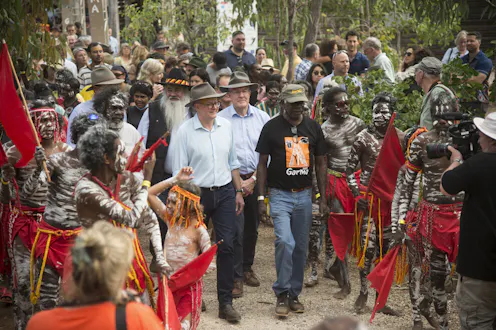
We now know the wording of the Voice referendum and proposed constitutional amendment. But what may have been forgotten is how we got here in the first place – and why it matters.
- Lecturer, Griffith Law School, Griffith University
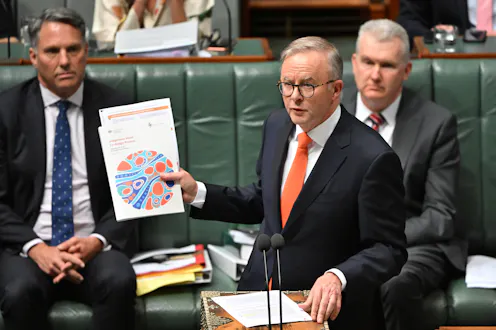
There has been much debate about the “details” of the Voice to Parliament, but the referendum is on the principle.
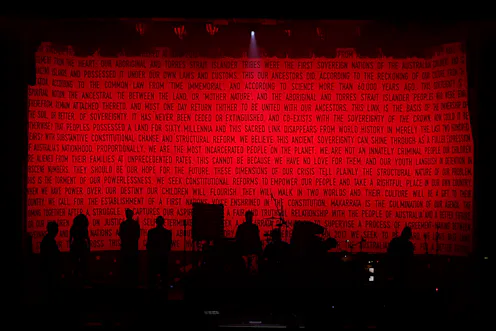
The Uluru Statement from the Heart will give us new meaning to the expression.
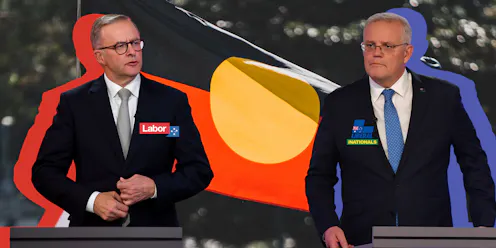
Prime Minister Anthony Albanese announced Labor’s commitment to the Uluru Statement from the Heart. This means there may soon be a First Nations Voice to Parliament. However there is a journey ahead.
One of the recommendations from the 2017 Uluru Statement from the Heart calls for the establishment of a First Nations Voice to parliament, enshrined in the Constitution. This would ensure First Nations…
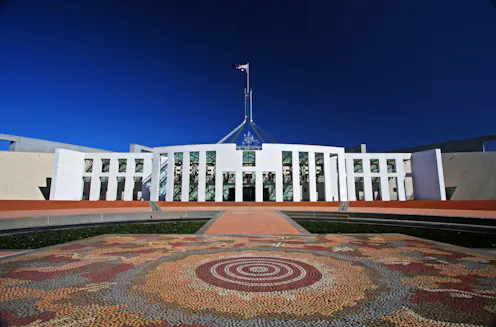
The result of the federal election will be key for a voice to parliament protected by the Constitution as called for by the Uluru Statement from the Heart, and for Indigenous affairs more broadly.
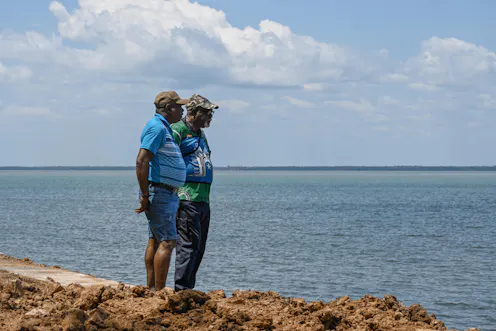
First Nations leaders Pabai Pabai and Paul Kabai filed a landmark class action against the Australian government to protect communities in the Torres Strait from climate change.
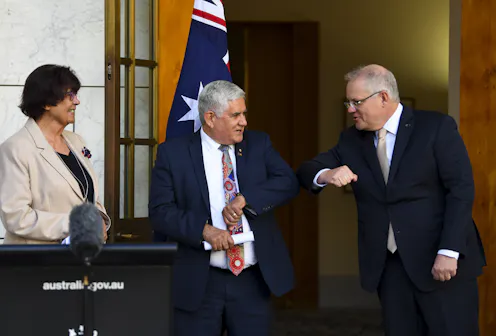
The simple truth is that a legislation-first approach to establishing a Voice without constitutional protection is bad policy. And it is not true to the Uluru Statement.
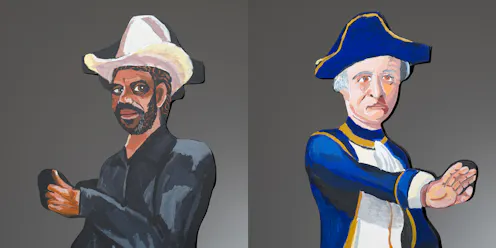
For too long, Cook was a promise recollected in pigment, bronze and stone. Contemporary First Nations artists are challenging this imagery.
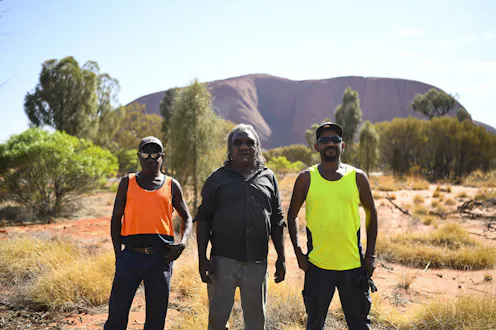
The ‘voice to government’ is to be legislated and separate from the question of symbolic constitutional recognition. This type of reform was resoundingly rejected by the Uluru statement.
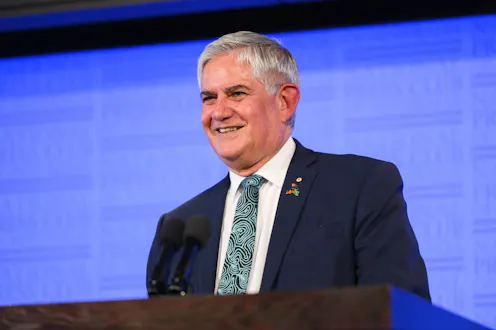
Ken Wyatt’s promise of a referendum on constitutional recognition within three years marks a dramatic shift from the Turnbull government’s rejection of the Uluru Statement of the Heart.
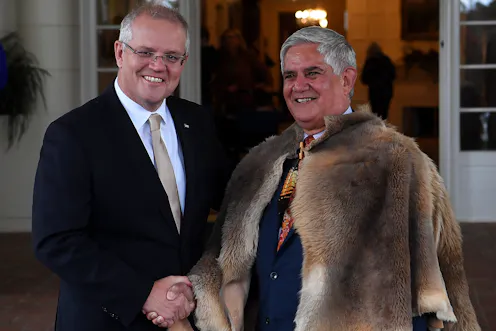
While the new minister has the chance to make a real difference, unrealistic expectations of him should be tempered- real change will take not just the whole government, but the nation.

First, change the constitution. Then, negotiate the detailed design of the First Nations voice to parliament: this is the only way to bring about meaningful reform.

The myth of ‘the Queensland voter’, Australia’s trust deficit, and the path to Indigenous recognition
The Conversation122 MB (download)
Today, an election-themed episode about some of the biggest policy questions Australia faces, featuring Indigenous academic lawyer Eddie Synot and political scientist Anne Tiernan.
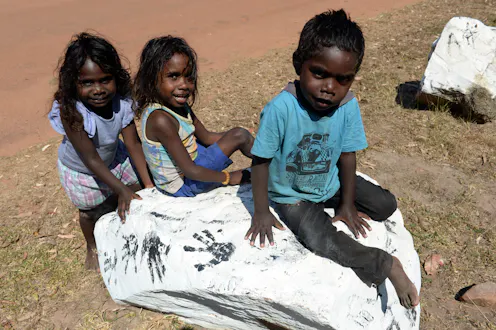
Instead of paying lip service to promoting Indigenous Australians’ rights as First Nations, the next federal government should be guided by the Uluru Statement from the Heart to make real progress.
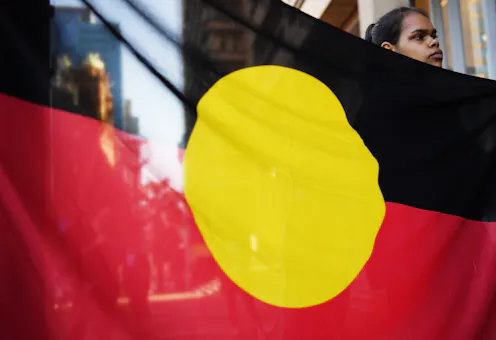
The final report on constitutional recognition is disappointing in many respects, but Labor’s pledge to establish a First Nations voice will give many in the community hope.
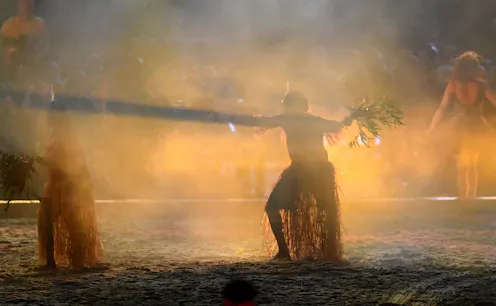
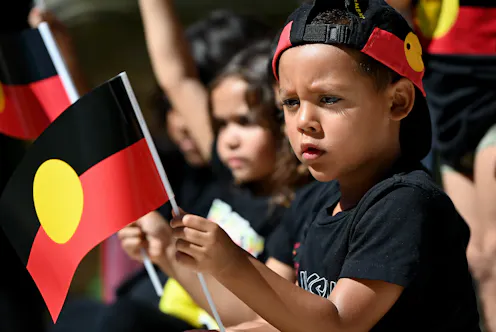
Events like the Commonwealth Games opening ceremony present history as a simplistic story of progress and reconciliation.
Contact Eddie for
- General
- Media request
- Speaking request
- Consulting / Advising
- Research collaboration
- Research supervision
- Location: Brisbane, Australia
- Website
- X (formerly Twitter): @EddieSynot
- Article Feed
- Joined
