

Even with today’s forecasting technology, D-Day would not have been an easy call as portrayed in the new movie, Pressure.
- Professor of Climate Science, University of Reading
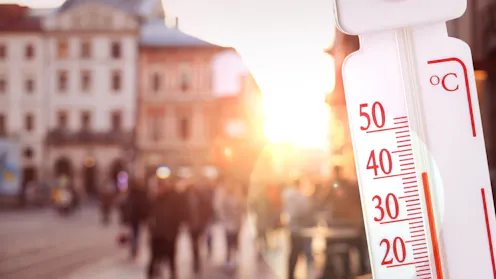
Instead of asking whether climate change caused a heatwave, we should ask how much hotter it became because of fossil fuel emissions.
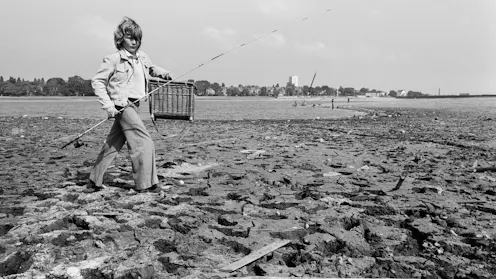
For 15 consecutive days, temperatures were over 32°C. Today, heatwaves are 3°C or 4°C hotter.
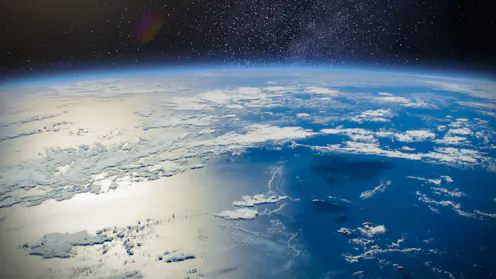
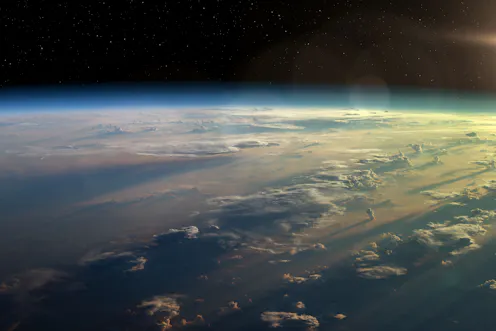
The ocean is warming as the upper atmosphere is cooling – both as a result of excessive greenhouse gas emissions.
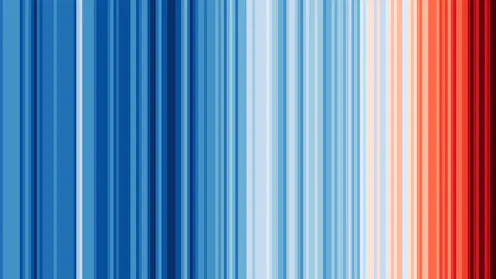
These ‘warming stripes’, adopted around the world as a symbol of climate awareness, action and ambition, now include another dark red stripe for 2024.
The answer will determine how hot the planet gets this century.

Middle-aged people in equatorial regions have lived through the most perceptible warming in their lifetimes. But many others may experience unrecognisable changes in their local climate later in life.
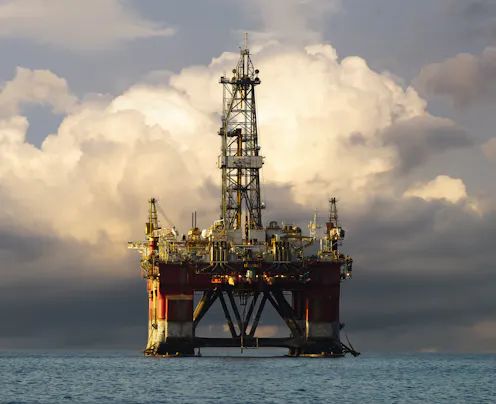
More than a century of research shows that burning fossil fuels warms the climate – that’s exactly why granting new North Sea oil and gas licenses is a bad idea.
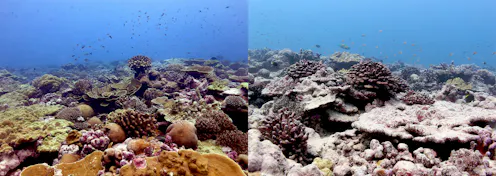
Fear and Wonder is a new climate podcast, brought to you by The Conversation, and sponsored by the Climate Council. In episode one, we discuss how scientists know the climate is changing.
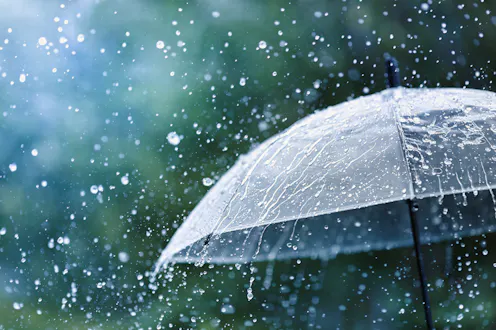
New data has revealed rainfall records from as far back as 1677.

We need new experiments to model Earth’s climate if global warming is stabilised at 1.5°C. A new paper explains why.

Climate science is now firmly part of the zeitgeist.

The Paris climate agreement aims to keep global warming to within 2°C above ‘pre-industrial levels’. But what does that mean, exactly?
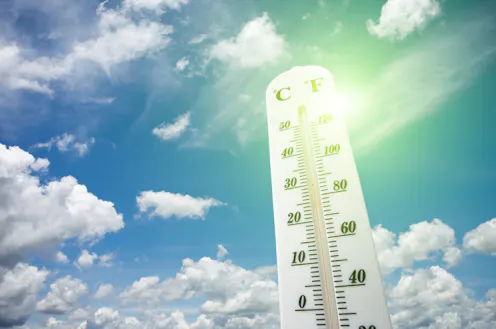
Another month, another broken temperature record. Scientists are already confident 2016 will be the hottest year ever, a record only set in 2015.

Global warming is, by definition, experienced worldwide. But a new study shows that the tropics were the first places on earth where the human effect on climate outstripped normal climate variations.
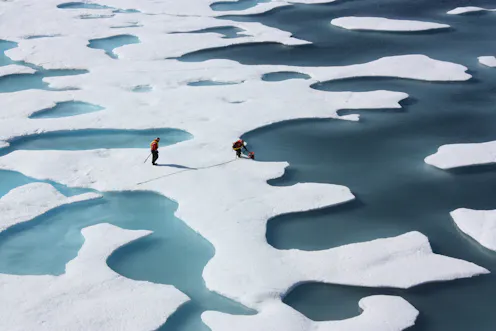
Arctic sea ice melts each summer, reaching its minimum extent sometime in September, before refreezing through the winter. Over the past 35 years, the September sea ice extent has reduced by about 35…
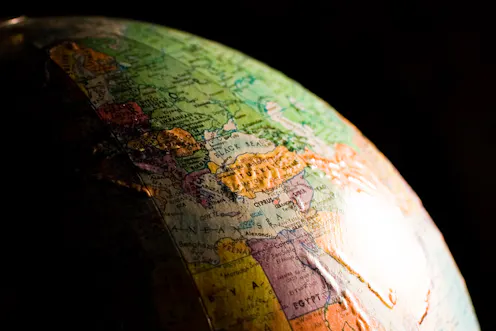
Climate change is often seen as a recent phenomenon, but its roots are actually far older - the effects of human activity on the global climate have been discussed for more than 150 years. In the 1820s…
Contact Ed for
- General
- Media request
- Speaking request
- Consulting / Advising
- Research collaboration
- Research supervision
- Location: Reading, UK
- Website
- X (formerly Twitter): @ed_hawkins
- Article Feed
- ORCID
- Joined
