
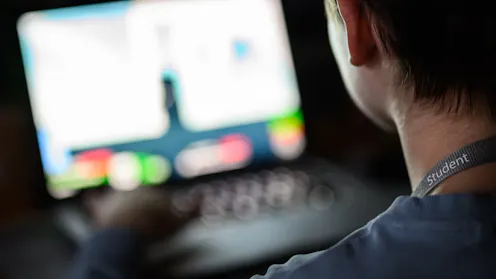
Young people are viewing harmful content unintentionally, according to new research from the Classification Office. But parents need to resist simply taking away devices.
- Clinical Psychologist, Te Herenga Waka — Victoria University of Wellington
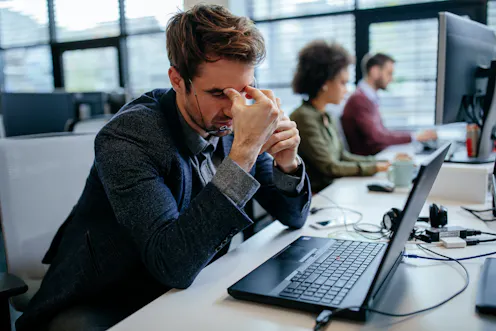
Despite research showing poor mental health is tied to lower productivity, wellbeing programmes are still considered a “nice-to-have”.

The government’s newly announced targets to address New Zealand’s ongoing mental health crisis offer some hope, but not much detail on how they will be achieved.
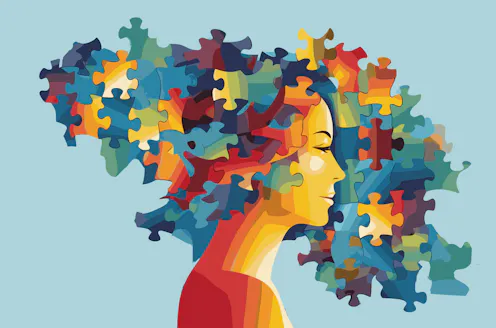
Neurodivergent employees can have specific needs. Inclusion in the workplace means businesses and employers need to consider differences that may not be visible to outsiders.
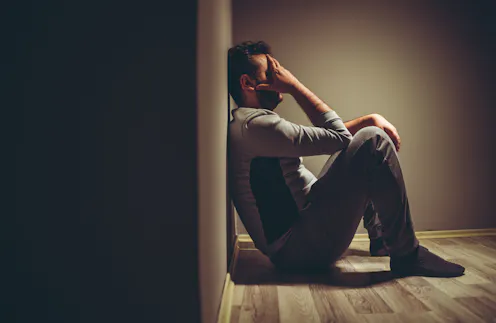
A focus on the lower end of mental health issues has meant those in crisis are still not getting the level of support they need.

Many workplaces focus on interventions to increase employees’ coping capacity, but they should be more proactive about creating better conditions at work and considering people’s home situations.

Health organisations must play their part in preventing burnout and moral injury in workers. Most factors leading to it – such as lack of resources and staff – are outside the control of individuals.

How do businesses get employees back into the office when they want to work from home? Research shows the solution could be a blend between the office and home.

The resignation of the director-general of health and two of his deputies highlights the risk of burnout during the pandemic. What can employers do to help overwhelmed workers?
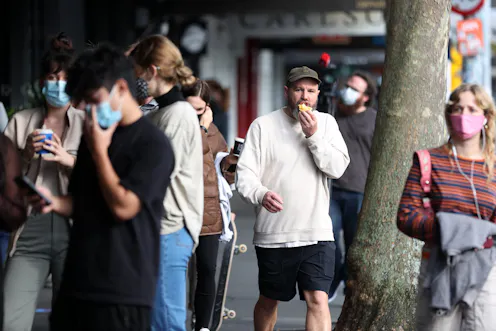
The public health mandates are relaxing, but a number of New Zealanders are going further, ditching masks despite the ongoing pandemic. What is driving the rush back to ‘normal’?
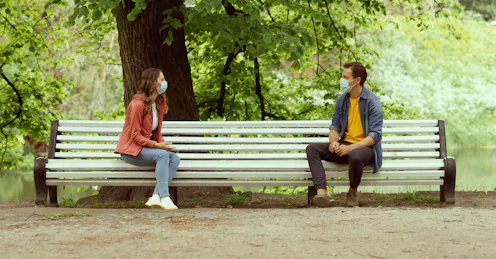
Even during difficult times, it is possible to stay well if we can accept the circumstances, stay connected and validate how we feel.
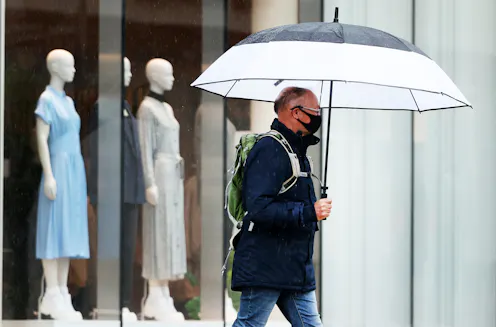
Lockdowns can exacerbate existing mental illness, but people without a history of mental illness can also find themselves feeling low, unmotivated and lacking a sense of purpose.
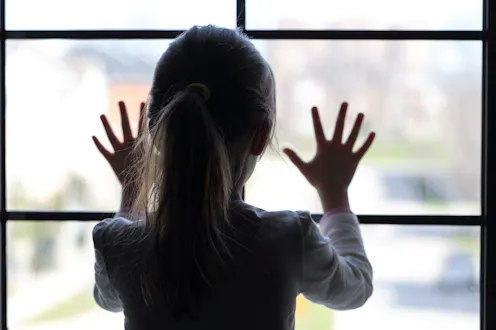
Two years ago an inquiry called for major reform of New Zealand’s mental health services, but since then, things got worse rather than better.

During uncertain times, feelings of anxiety and even anger are normal responses. If left unchecked, these emotions can affect how we behave, but acknowledging them can ease their intensity.

New Zealand will begin easing its national lockdown from next Tuesday, after an extra five days of some of the world’s strictest COVID-19 restrictions. Six NZ experts give their take on the news.

Fear is a central emotional response during a pandemic and it’s why most people have complied with lockdown conditions. But as anxiety eases and boredom sets in, people’s resolution may fray.

The New Zealand government has put a record NZ$1.9 billion mental health package at the centre of its well-being budget. It’s a welcome step in the right direction.
Contact Dougal for
- General
- Media request
- Speaking request
- Consulting / Advising
- Research collaboration
- Research supervision
- Article Feed
- Joined
