

Le sommeil, la prévention des traumatismes crâniens, l’exercice physique, l’apprentissage et l’alimentation constituent une stratégie claire et efficace pour réduire le risque de démence.
- Professor of Chemistry and Senior Scientist of the Krembil Research Institute, University Health Network, University of Toronto

The SHIELD (Sleep, Head Injury prevention, Exercise, Learning, and Diet) mnemonic offers a clear and effective strategy for lowering dementia risk.
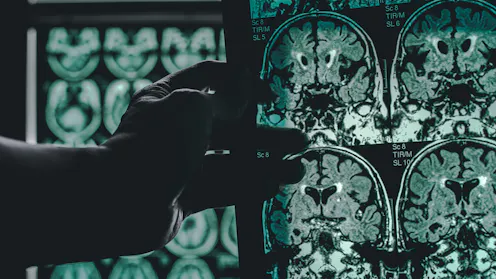
Alzheimer’s researcher Donald Weaver tells The Conversation Weekly podcast what he’s learnt during more than 30 years of studying the disease.
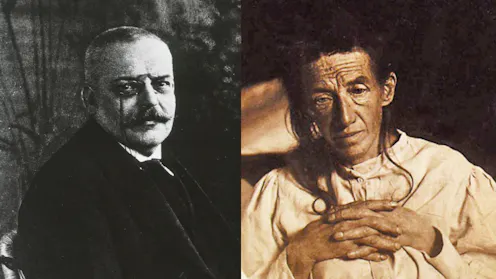
Dementia patient Auguste Deter’s contribution to the 1907 single case report study by Alois Alzheimer was immense: Deter’s life, illness and death are the story of Alzeimer’s disease.

Rather than seeking a single cure — a magic bullet — for Alzheimer’s disease, a shotgun blast of different drugs with different targets may be a better approach to this very complex condition.
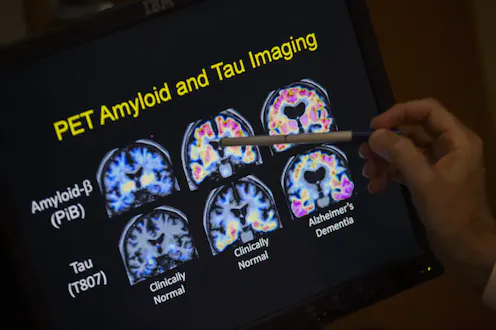
Alzheimer mungkin bukan merupakan penyakit otak, melainkan gangguan sistem kekebalan di dalam otak. Beta amiloid mungkin bukan protein abnormal, tetapi bagian dari sistem kekebalan otak.
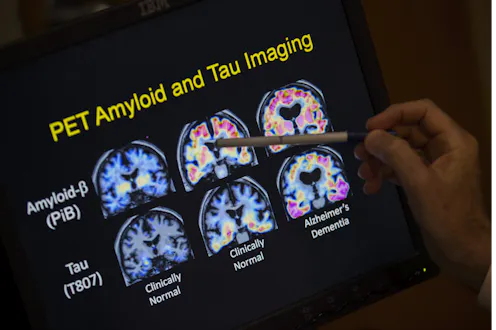
La maladie d’Alzheimer n’est peut-être pas principalement une maladie du cerveau. Il pourrait s’agir d’un trouble du système immunitaire à l’intérieur du cerveau.
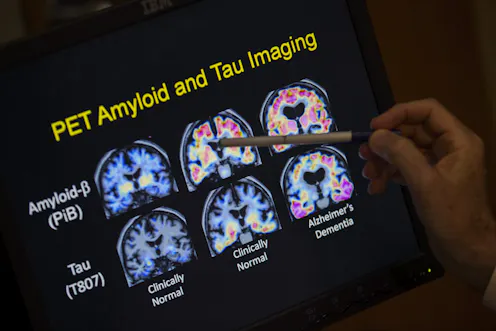
Los científicos llevan años concentrados en resolver el problema del alzhéimer combatiendo los cúmulos de proteína beta-amiloide. Pero ¿y si el alzhéimer fuera, en realidad, un trastorno del sistema inmunitario dentro del cerebro?
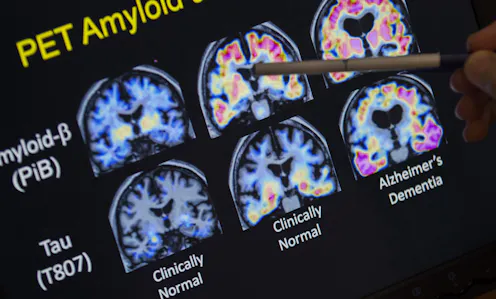
Alzheimer’s may not be primarily a disease of the brain. It may be a disorder of the immune system within the brain. Beta-amyloid may not be an abnormal protein, but part of the brain’s immune system.
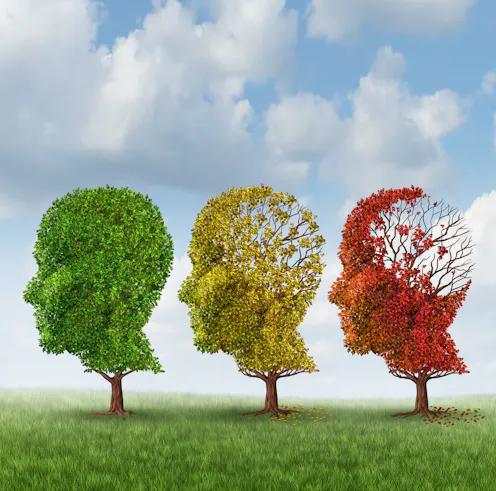
Connue officiellement depuis 115 ans, il n'y a toujours pas de traitement contre l'Alzheimer. Le cerveau humain est extrêmement complexe, et la maladie d'Alzheimer est sa maladie la plus complexe.
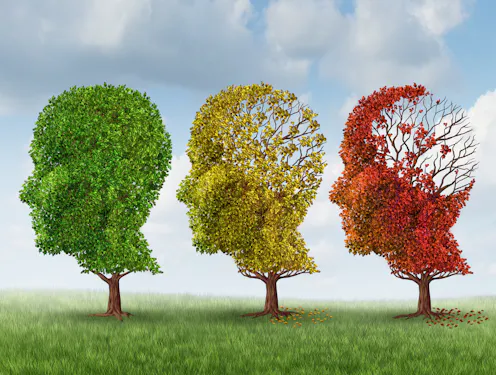
It was first officially described 115 years ago, but we still do not have a cure for Alzheimer’s disease. The human brain is extremely complex, and Alzheimer’s is its most complex disease.
Dementia and depression are two diagnoses that rob older adults of health and happiness. Despite their obvious differences, it is becoming ever more apparent that the two conditions are connected.

From aggressive patients with Alzheimer’s to frustrated caregivers, dementia is increasingly entwined with violence in private homes and residential facilities.
Contact Donald for
- General
- Media request
- Speaking request
- Consulting / Advising
- Research collaboration
- Research supervision
- Location: Toronto, Canada
- Website
- X (formerly Twitter): @DrDonWeaver
- Article Feed
- ORCID
- Joined
