
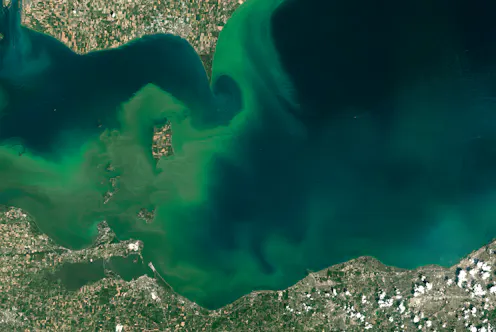
Nutrient pollution fouls lakes and bays with algae, killing fish and threatening public health. Progress curbing it has been slow, mainly because of farm pollution.
- Professor Emeritus of Environment and Sustainability, University of Michigan

Scientists are predicting major algae blooms in Lake Erie and large dead zones in the Chesapeake Bay and Gulf of Mexico this summer. Nutrient pollution from industrial corn farming is a major driver.
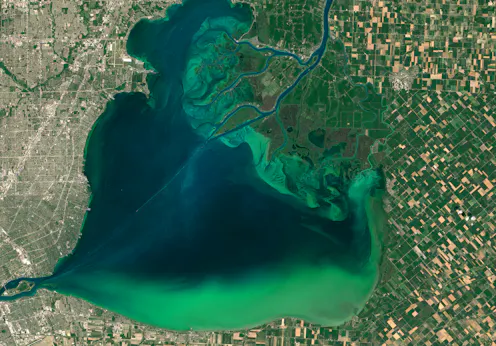
Scientists have mapped a huge dead zone in the Gulf of Oman, without enough oxygen in the water to support life. This Speed Read explains why dead zones form in waters around the world.
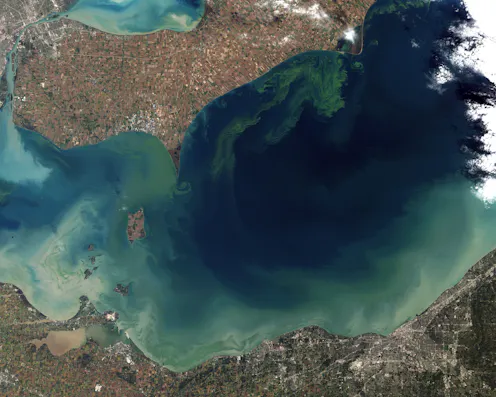
Nitrogen and phosphorus are polluting US waters, creating algae blooms and dead zones. New research confirms that voluntary steps are failing in the Gulf of Mexico and unlikely to work in Lake Erie.
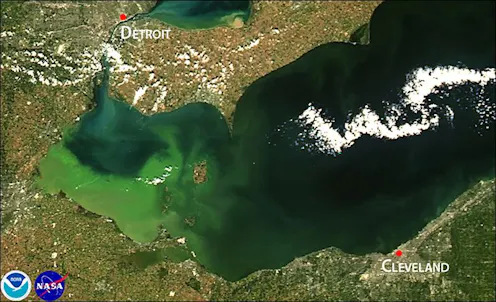
The same conditions – ultimately tied to nutrient runoff – that created the damaging toxic blooms and dead zones in US waterways of recent years are forecast to return this year.

A law signed into effect last week seeks to reduce fertilizer runoff that causes toxic algae blooms. But to really address the problem requires taking a hard look at how America farms.
Contact Donald for
- General
- Media request
- Speaking request
- Consulting / Advising
- Research collaboration
- Research supervision
- Location: Ann Arbor, Michigan, U.S.
- Website
- X (formerly Twitter): @Dscavia
- Article Feed
- ORCID
- Joined
