
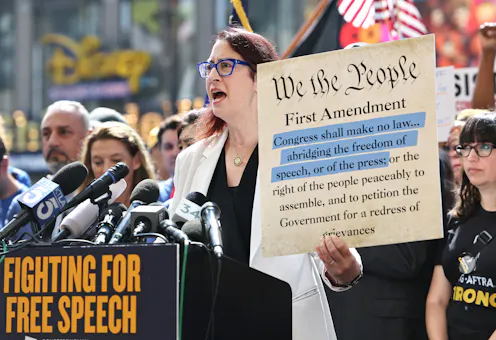
The First Amendment – and the freedom of speech it guarantees – is considered a fundamental element of American freedom and identity. But it wasn’t even part of the original Constitution.
- Professor of History and Provost Emeritus, Binghamton University, State University of New York
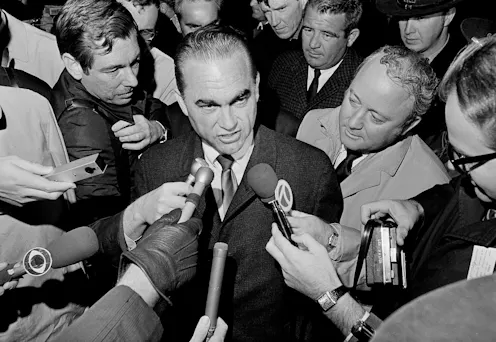
An assassin’s bullet couldn’t knock George Wallace out of politics − but it made him seek redemption.
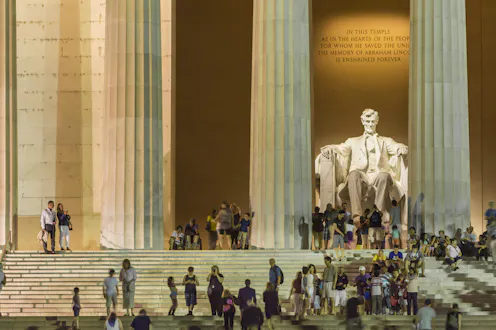
Keeping the United States together meant more than defeating the Confederacy. Lincoln first had to unite a fractured North.
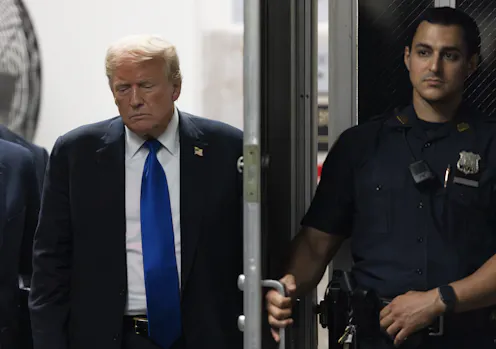
By focusing on the facts, the public can avoid being distracted by baseless allegations about the Trump verdict that undermine institutions designed to ensure – not weaponize – justice.

In 1974, the Supreme Court accepted, heard and decided a case within two months because the justices understood its importance to the public.
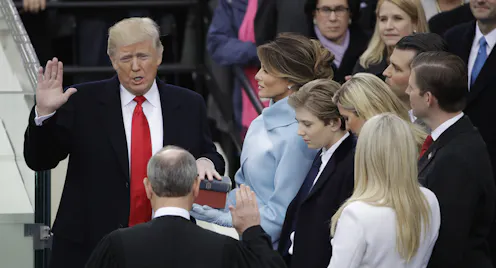
The framers of the Constitution were very clear that presidential terms have time limits. Not four years and a day. Not three years and 364 days. Four years.
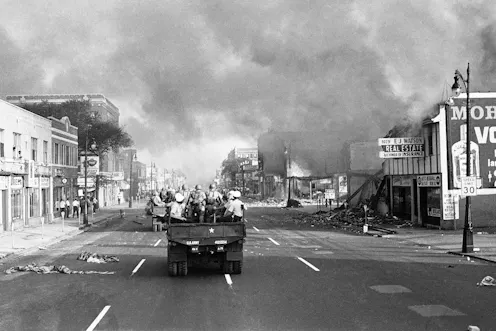
One of the harshest critiques of white racism appeared 50 years ago in the federal government’s own Kerner Commission report. And racism may be why the report’s recommendations were largely ignored.
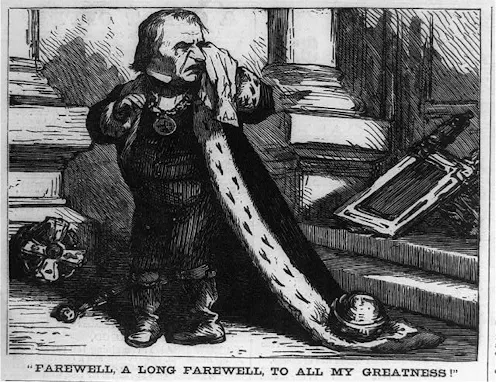
A historian looks back at Andrew Johnson’s unlikely and unsuccessful presidency and why he wasn’t cut out for the job.
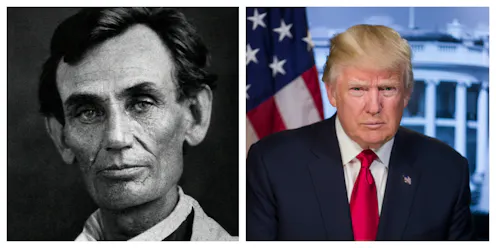
The most hated president in US history could teach our new leader a few things.
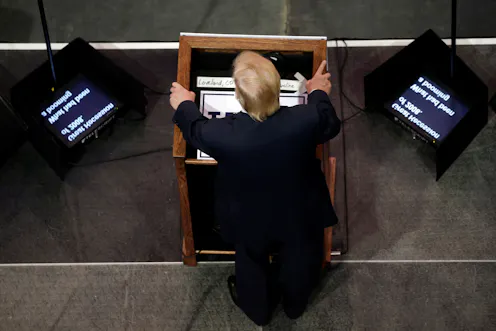
Trump’s calls to keep ‘illegitimate’ voters from casting ballots go back 140 years to a time when white voters were enraged by the end of slavery.
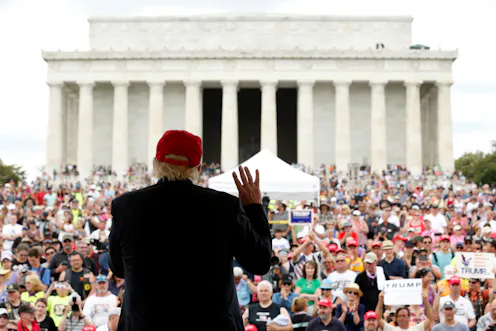
In the 1850s, an influx of immigrants incited xenophobia in Americans. How did Abraham Lincoln, the GOP’s first president, react to the angry mood? A Civil War historian tells the tale.
Contact Donald for
- General
- Media request
- Speaking request
- Consulting / Advising
- Research collaboration
- Research supervision
- Location: Binghamton, New York, U.S.
- Website
- Article Feed
- ORCID
- Joined
