
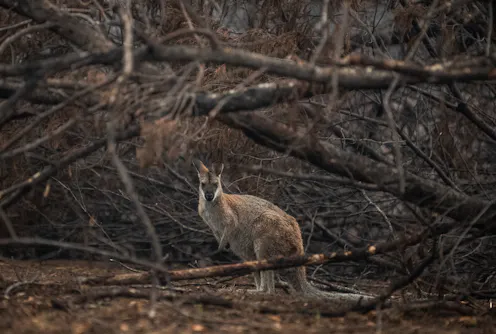
Frequent fuel-reduction burning appears to prime ecosystems for major disruption when the next wildfire hits.
- Professor in Terrestrial Ecology, Deakin University
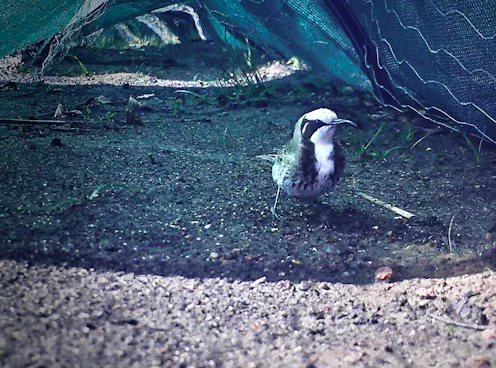
We need every tool at our disposal to stop feral cats and foxes from decimating Australia’s incredible wildlife after fires. Artificial refuges show promise.
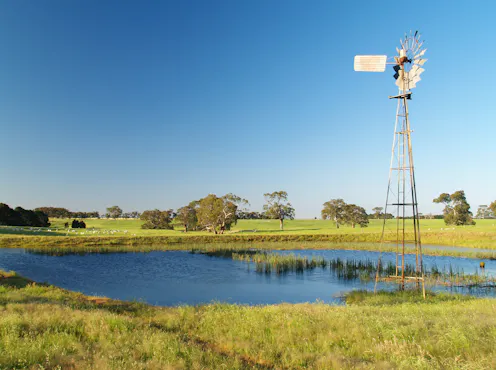
Australia has almost 1.8 million farm dams – and some are home to threatened frog species
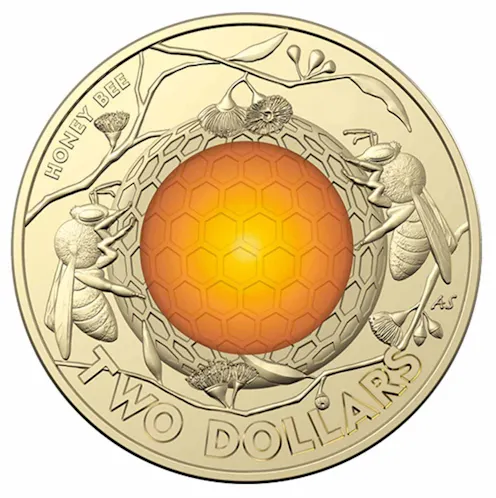
Celebrating the European honeybee is a misplaced opportunity to honour our forgotten native pollinators.
Feral horses trample endangered plant communities, destroy threatened species’ habitat and damage Aboriginal cultural heritage — and their numbers are increasing.
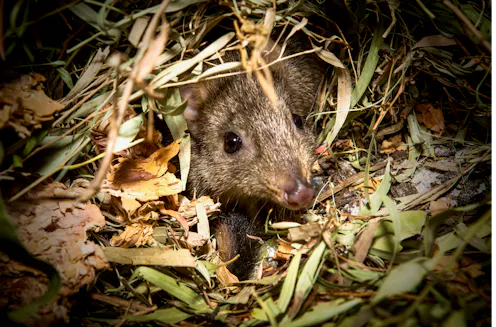
Saving our threatened species shouldn’t be seen as a cost, but rather a very savvy investment to ensure the support systems sustaining life on Earth remain intact.
Victoria’s plan has flaws, but it’s still likely to bring the feral horse problem under control, and will do a lot better than the very low benchmark set by NSW.
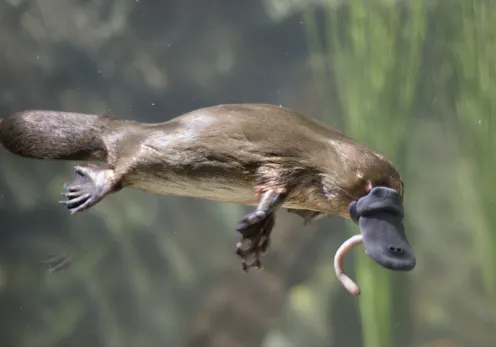
As ecologists, we’ve seen first-hand how Australia’s nature laws have permitted environmental degradation and destruction to the point of extinction.
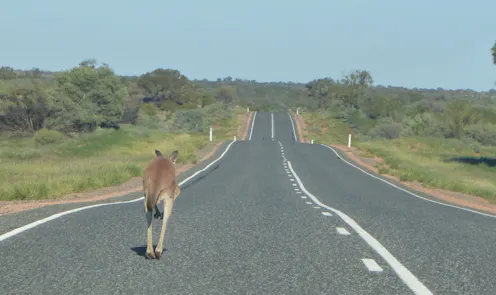
World-first research finds human disturbances, on average, restrict an animal’s movements by 37%, or increase it by 70%. That’s like needing to travel an extra 11 km to get to work each day.
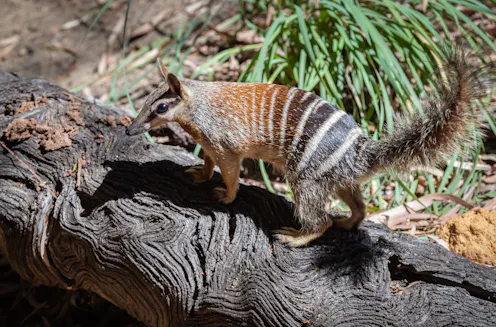
The first Threatened Species Strategy fizzled out last year without making a big difference to conservation. With the next strategy due to roll out this year, let’s look at what needs to change.
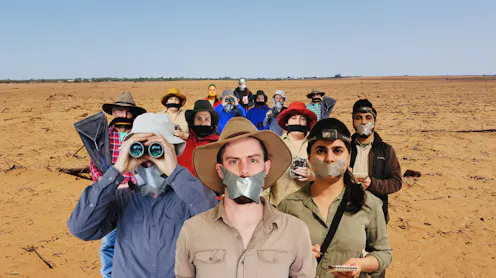
About half of environmental scientists working for government had been prohibited from communicating scientific information.
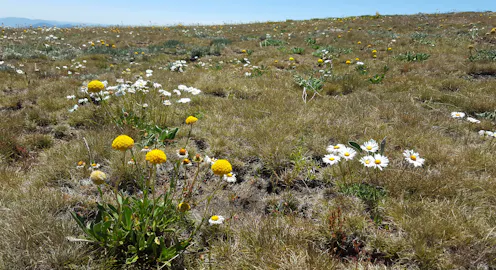
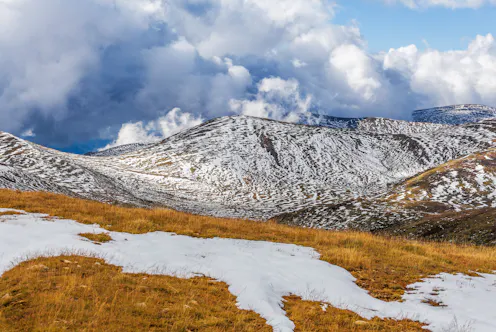
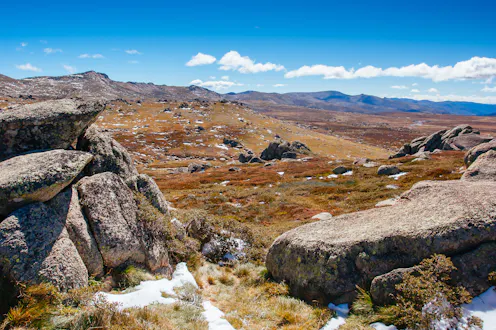
Expanding numbers of feral horses roaming the Australian Alps threaten the alp’s ecosystems, soils and unique species.
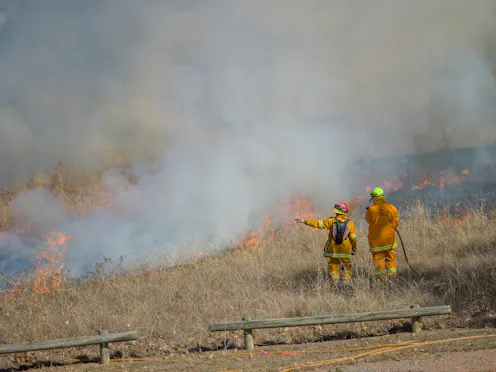
Expanding planned burning is often touted as a way to lessen the risk of bushfires. But this burn-off season is bad news for the COVID-19 pandemic.
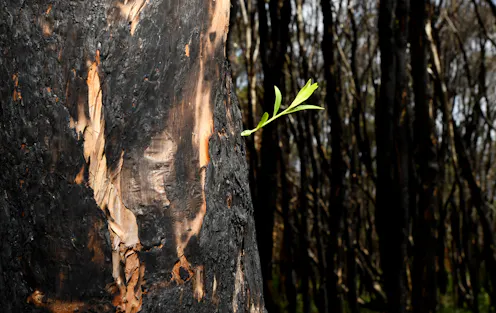
By all means, rescue an injured koala. But by pulling out weeds after the fires, you could also help rescue a whole ecosystem.
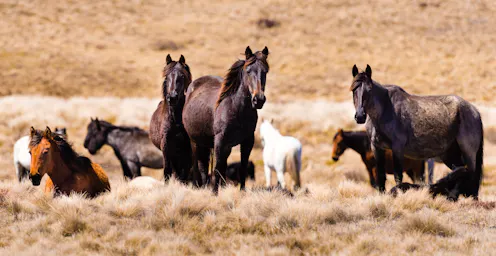
Rapid action is needed to reduce feral horse numbers before they cause more damage to native species.
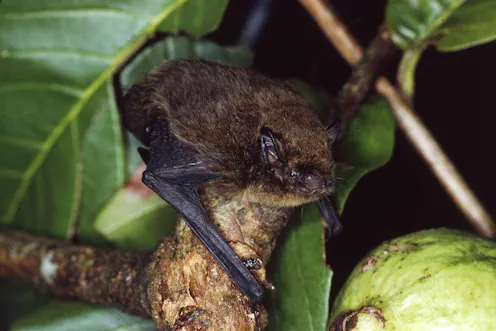
Current environment laws are manifestly failing Australian animals.
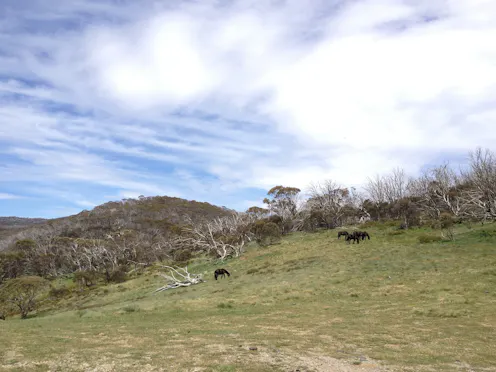
Feral horses are a clear point of division between parties in this weekend’s election. Labor has pledged to repeal the Coalition government’s bill to preserve large numbers of brumbies.

A new petition is urging state and federal governments to rein in Australia’s rampant land clearing, which worsens the risk of bushfires and threatens to undo the work of the Emissions Reduction Fund.

The plan to kill 2 million feral cats nationwide by 2020 makes for good headlines. But it’s also a simplistic goal that won’t necessarily deliver conservation benefits to native species.
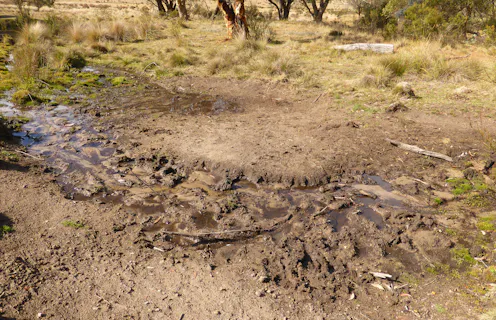
The ‘brumby bill’ which passed the NSW upper house late last night, is an embarrassing step backwards for the state.
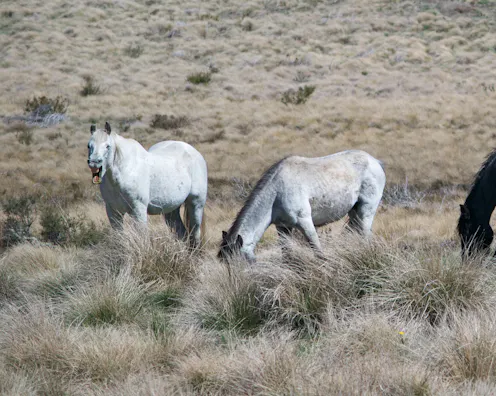
Failing to cull feral horses in Kosciuszko National Park may end up promoting environmental destruction while actually increasing the horses’ suffering.
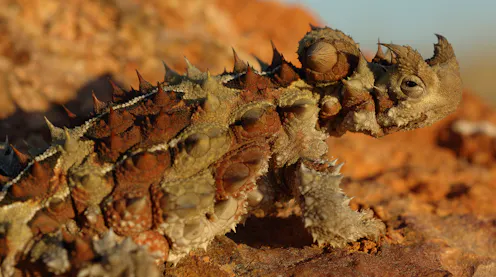
Most of Australia’s plants and animals are found nowhere else on Earth. This remarkable biodiversity requires a bolder, brighter conservation vision.
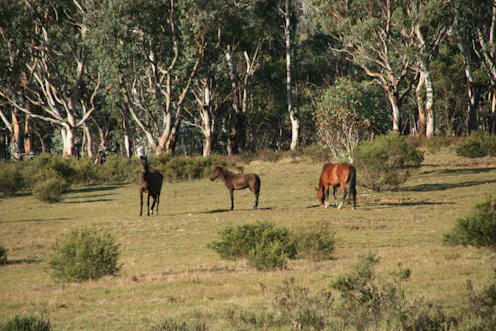
Victoria’s new plan to control feral horses aims to remove up to 400 a year from the eastern Alps. But without considering aerial culling, the plan seems unlikely to get to grips with the problem.

Australian government environmental funding has decreased by a third since 2013. At the same time, Australia is experiencing massive species loss as funding for the sector dries up.
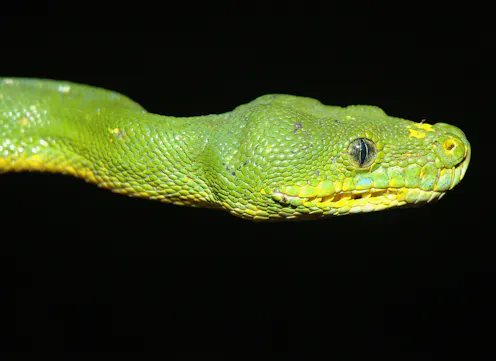
Australia’s species, like this green python, are remarkable and need far better protection.
Contact Don for
- General
- Media request
- Speaking request
- Consulting / Advising
- Research collaboration
- Research supervision
- Location: Burwood, Melbourne, Australia
- Website
- X (formerly Twitter): @DonADriscoll
- Article Feed
- ORCID
- Joined
