

South Australians are heartbroken about the state’s unprecedented algal bloom. But eating oysters, donating shells and restoring lost reefs will boost ocean health.
- Postdoctoral researcher, marine ecology, Adelaide University
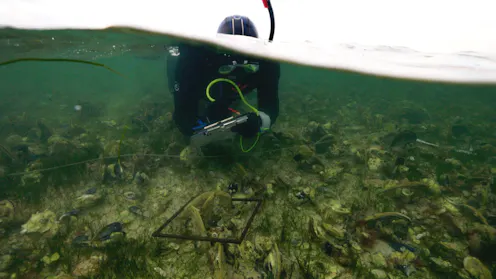
The persistent harmful algal bloom in South Australia is an opportunity to experiment with solutions, but the best approach is helping nature to help itself.
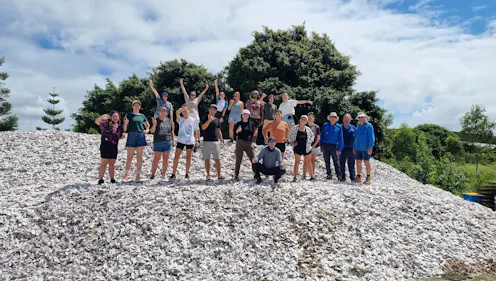
A clever approach to restoring Australia’s native oyster and mussel reefs in Queensland’s Moreton Bay is catching on, giving community groups a way to get involved in their local patch.

Restoring entire ecosystems is a difficult and expensive process. Thankfully, certain species, called ecosystem engineers, can make restoration easier. Gaining social and political support is critical too.

By playing the sounds of healthy reefs, we can draw oysters back to the barrens where their reefs once stood.

Only 200 years ago, Australian waters were full of oyster and shellfish reefs. Then they collapsed. Now large scale restoration efforts are underway.
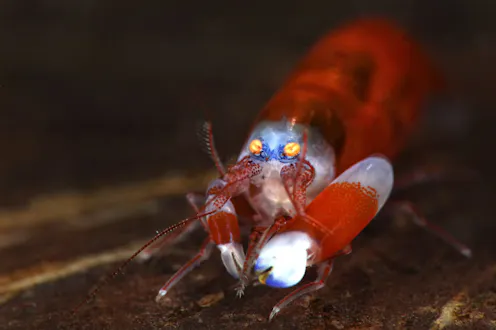
Playing the sounds of the sea can attract lost baby oysters to join the restoration of oyster reefs.
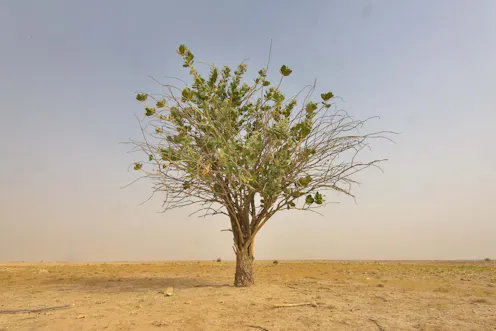
Cuando hablamos de activismo medioambiental, el optimismo es clave.
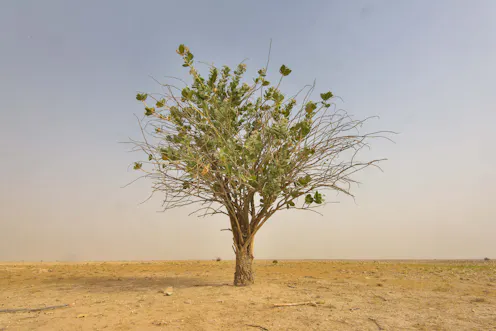
When it comes to environmental activism, optimism is key.

Oysters aren’t just good for a feed. They also give a vital boost to coastal ecosystems, which is why efforts are underway to restore Australia’s once-abundant oyster reefs to their former glory.
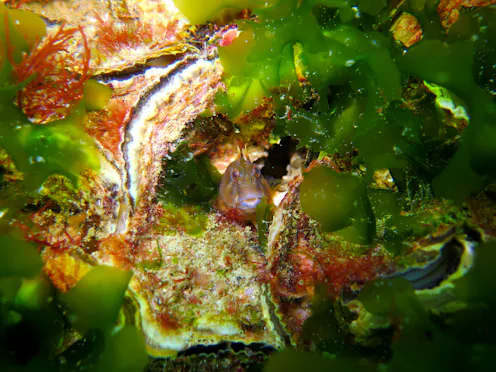
In colonial times Australia’s waters were teeming with mud oysters that provided food, cement, and cleaned the oceans. Now a 20-hectare man-made reef aims to restore some of their former glory.
Contact Dominic for
- General
- Media request
- Speaking request
- Consulting / Advising
- Research collaboration
- Research supervision
- Location: Adelaide, South Australia
- Website
- X (formerly Twitter): @dominicmcafee6
- Article Feed
- Joined
