
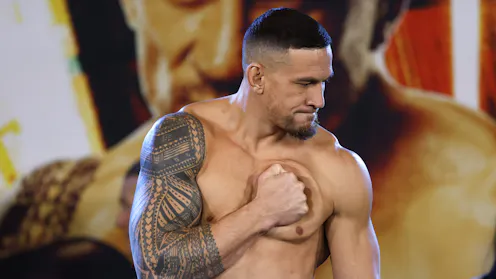
Retired male elite rugby players have higher rates of osteoarthritis, mild cognitive disorders, depression and hazardous alcohol use than non-contact sport players.
- Associate Professor, Ngā Wai a Te Tūī (Maori and Indigenous Research Centre) and School of Healthcare and Social Practice, UNITEC Institute of Technology
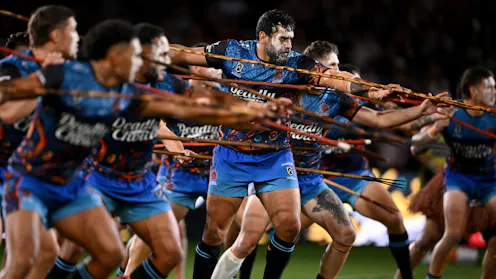
Sunday’s season-opener in Hamilton goes well beyond tokenism to showcase the extraordinary contribution of Indigenous athletes and fans to trans-Tasman rugby league.

For the All Blacks, the next coaching era may hinge less on tactics than on trust, culture and leadership style.
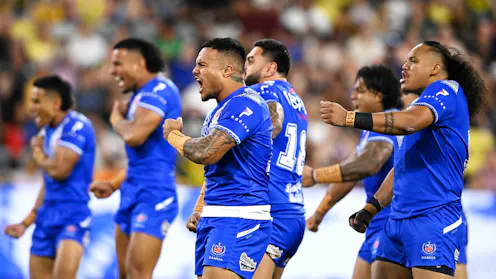
As the Pacific Cup finals play out this weekend, the Pasifika influence on rugby league – on and off the field – has big implications for the trans-Tasman game.
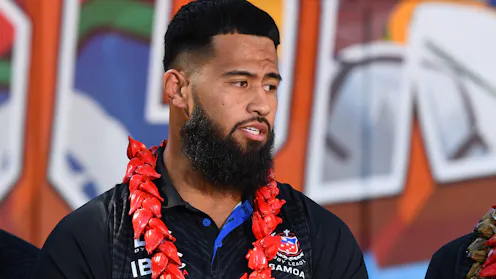
If rugby league stays flexible and open-minded when it comes to national allegiances, it could be a way for the sport to win hearts and minds across the Pacific.
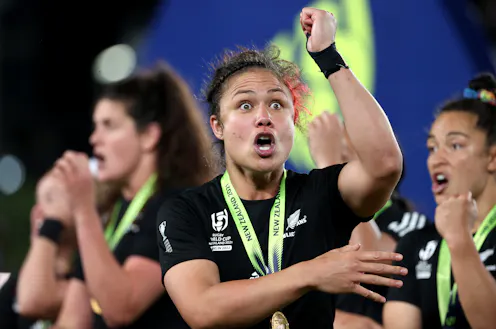
More Indigenous sports stars are speaking their mother tongues in TV interviews and elsewhere. The challenge now is to develop truly bilingual commentary teams to keep the ball alive.
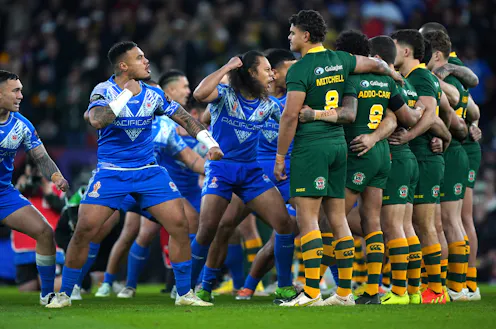
By choosing to play for their ancestral homes, Pacific footballers might lose the chance of bigger pay checks, but they still win at a cultural level. And the payoff for the game is immense.
Contact Dion for
- General
- Media request
- Speaking request
- Consulting / Advising
- Research collaboration
- Research supervision
- Location: Auckland, New Zealand
- Website
- LinkedIn: associate-professor-lefaoali-i-dion-enari-b730a7149/
- Article Feed
- Joined
