

A study of Interpol notifications suggests only a few environmental crimes are being flagged.
- Research Fellow in Conservation Marketing, University of Oxford
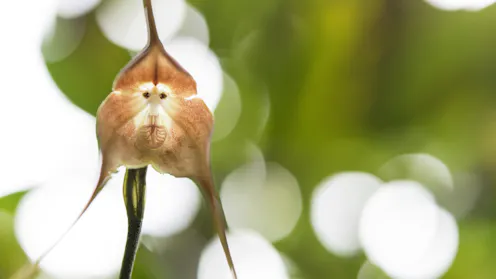
Devenues virales grâce à leurs fleurs qui semblent sourire ou grimacer, les orchidées Dracula sont aujourd’hui menacées dans leur habitat naturel en Colombie et en Équateur.
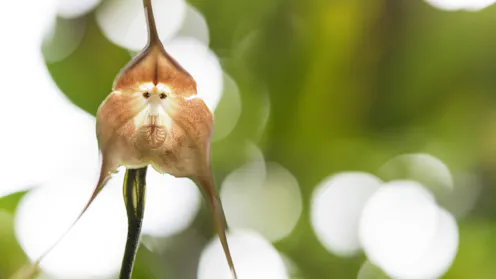
How the threatened monkey-face orchids could become icons for plant conservation.
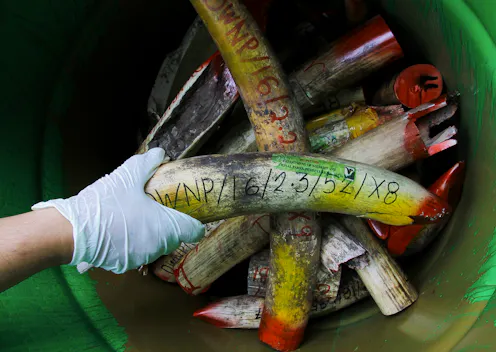
Wildlife trade bans can encourage buyers and sellers to trade in similar species that haven’t been banned but may still be endangered.
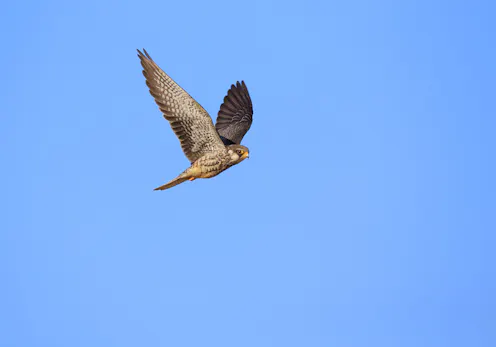
A global media campaign, spearhaded by charity Conservation India, publicised a short film about the Amur falcon massacre and instigated huge change.
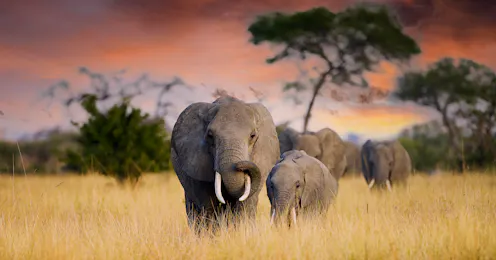
Japan was one of the world’s largest ivory markets – research explains why the country is no longer a key destination for the product.
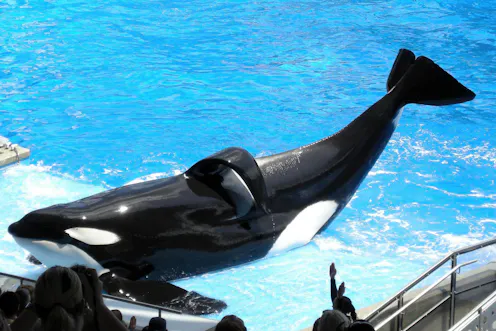
Blackfish struck an emotional chord over the plight of a traumatised performing whale, prompting real change.
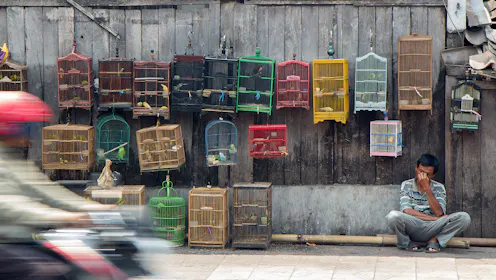
By understanding what drives people to buy wild species, we can figure out how best to stop them.
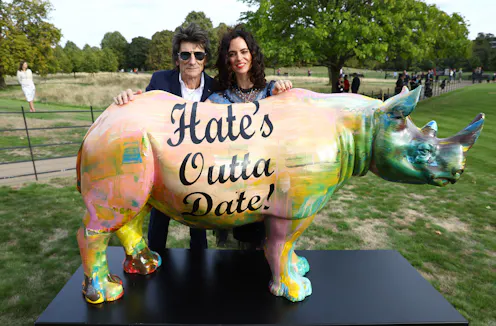
We looked at 181 celeb campaigns in six languages and found no hard evidence that any were effective
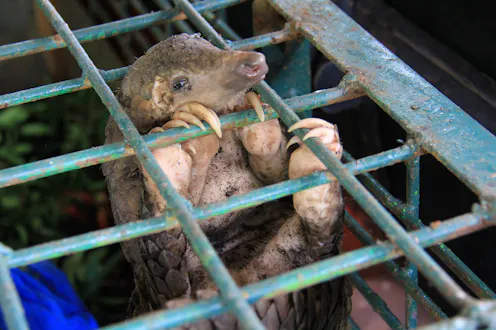
Promote new habits, find out why people engage with the wildlife trade and don’t make it seem more widespread than it really is.

If wildlife trade is forced underground it could become an even bigger threat to public health, fuel black market prices, and accelerate exploitation and extinction of species in the wild.
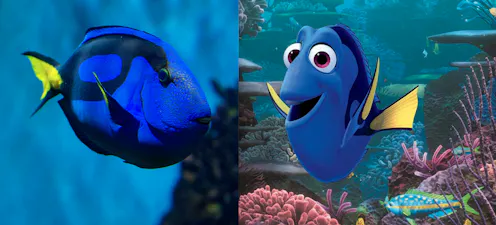
The ‘Nemo effect’ wasn’t real, and new research also found no evidence Dory led to increased imports of wild blue tang fish.
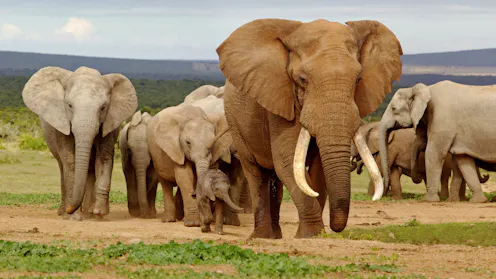
Must the money raised to save wildlife always aid the most popular animals? New research suggests that marketing can persuade donors that northern hairy-nosed wombat lives matter too.
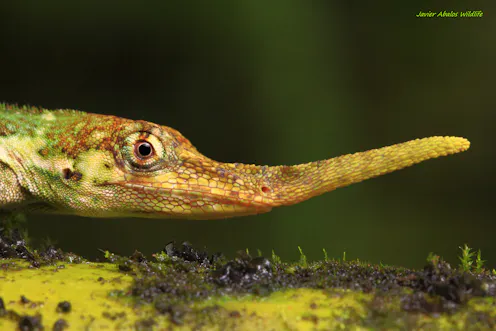
‘Doom and gloom’ messages about nature are less effective than positive ones. The Lost & Found project tells the stories of creatures thought long gone but eventually rediscovered.
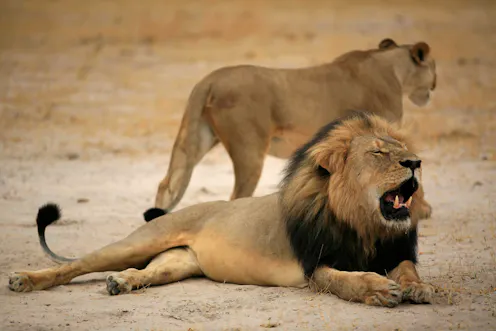
Countries with healthy populations of big game should allow tourists to hunt them.
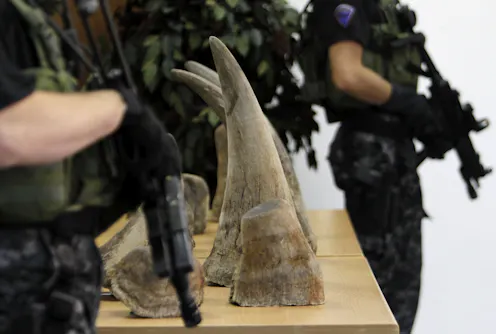
A company plans to flood the market with synthetic rhinoceros horn in an effort to slow poaching but these types of commercially driven conservation efforts are fraught with problems.

When conservationists use war metaphors – as in the battle to halt bird hunting in Malta – they hurt their cause by closing down paths to negotiation.
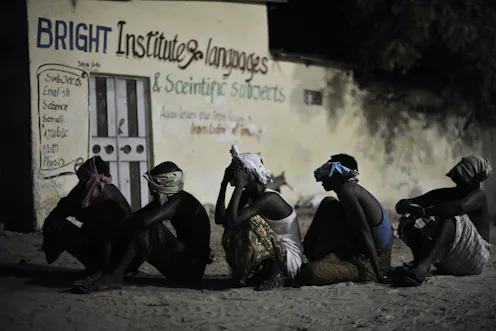
It is often said that if something is repeated often enough, it becomes accepted as true. This has certainly been the case for the link between terrorism and the poaching of elephants for the ivory trade…
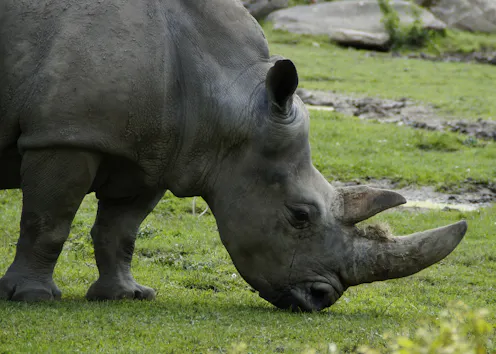
Poaching rhinos for their horns is one of the most publicized conservation issues worldwide. From global trade bans and surveillance drones, to the involvement of celebrities such as British royal Prince…
Contact Diogo for
- General
- Media request
- Speaking request
- Consulting / Advising
- Research collaboration
- Research supervision
- Location: Oxford, UK
- Website
- X (formerly Twitter): @verissimodiogo
- Article Feed
- ORCID
- Joined
