
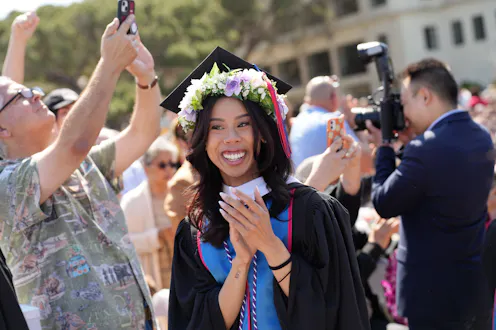
Rites of passage are important. They do not merely celebrate the transition to a new state – they actively create this new state in the eyes of society, an anthropologist writes.
- Associate Professor of Anthropology and Psychological Sciences, University of Connecticut
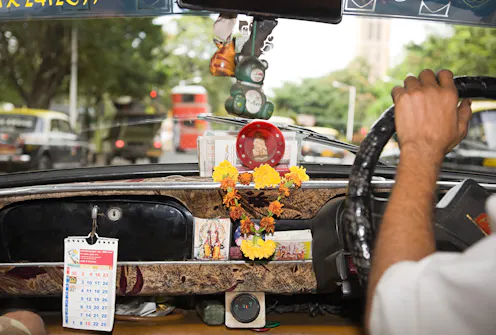
An anthropologist explains why we all have some irrational beliefs and the reason they give us comfort.
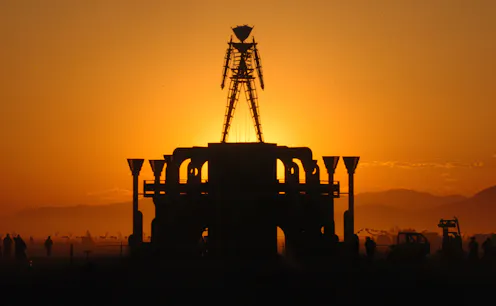
In Nevada, people create a makeshift city toward the end of summer and later burn it down. What’s behind this event, and what makes it meaningful?
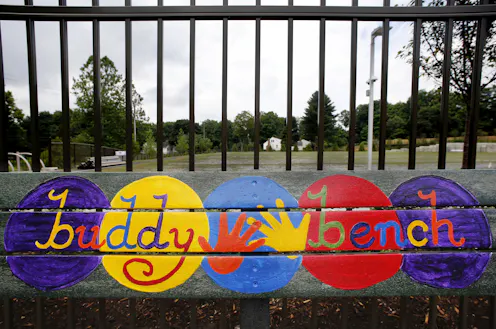
An anthropologist explains the power of purification rituals, such as bringing down a building following a tragic occurrence in it, and why they help reduce our anxieties.
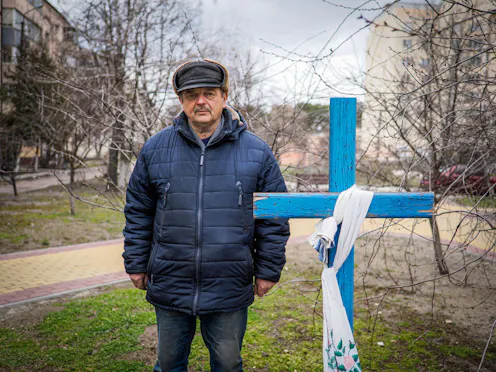
Ukrainian families’ anguish at not being able to bury their loved ones underscores a deep human need, an anthropologist writes.
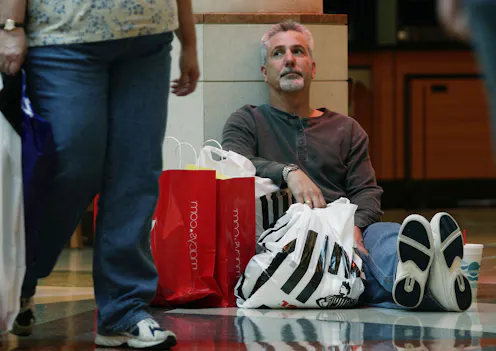
Gift-giving might seem needlessly cumbersome and stressful. But the costs and benefits of the custom aren’t what they seem.
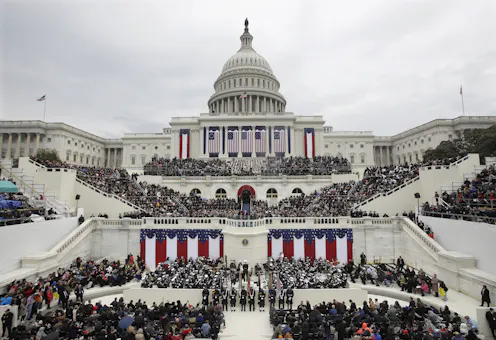
Formal ceremonies and rituals can trigger psychological signals that command people’s attention and strengthen the perceived importance of those moments.
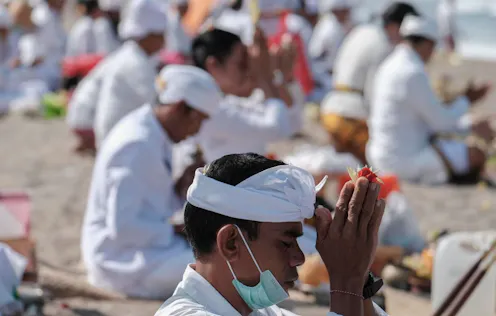
As the coronavirus spreads and life comes to a standstill, people are coming up with a host of rituals to maintain a sense of order and human connection.

Holiday traditions – whether culinary, religious, decorative or musical – help families bond and individuals feel stable and content.
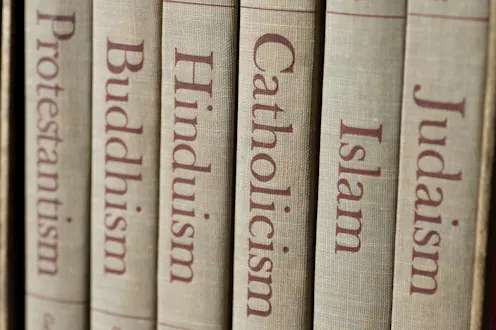
Orang di seluruh dunia berprasangka buruk pada ateis, menuduh mereka jahat. Tapi sebenarnya penelitian menemukan orang beragama kerap merasa dirinya baik, padahal tidak selalu demikian.
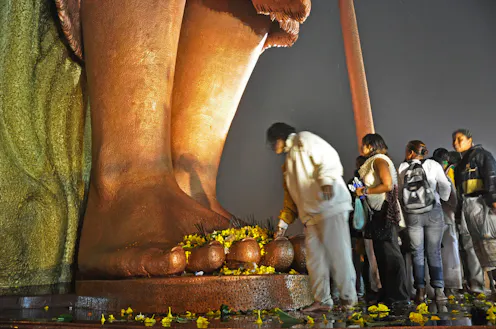
All the world’s major religions are concerned with moral behavior. But research shows little evidence that religious people are more ethical than atheists.
Contact Dimitris for
- General
- Media request
- Speaking request
- Consulting / Advising
- Research collaboration
- Research supervision
- Location: Storrs, Connecticut, U.S.
- Website
- X (formerly Twitter): @xygalatas
- Article Feed
- ORCID
- Joined
