

Economic growth may have returned to NZ, but lifting living standards will require more than a cyclical recovery. What should voters be looking for in policies?
- Associate Professor, Department of Economics, University of Otago
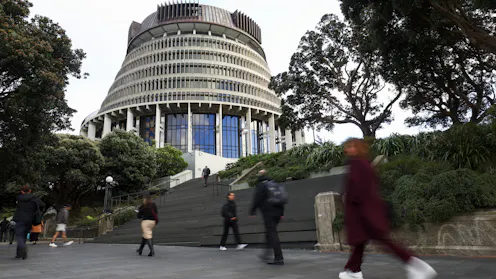
Like people everywhere, New Zealanders are worried about living standards, costs and wages. But a global poll reveal some less obvious priorities.

Kesepian dialami oleh satu dari lima orang di dunia. Namun, studi global terbaru menunjukkan bahwa tingkat kesepian berbeda di setiap negara, mencerminkan pengaruh lain di luar keadaan individu.

Loneliness affects one in five people worldwide. But a new global study also finds it varies between countries, reflecting more than individual circumstances.
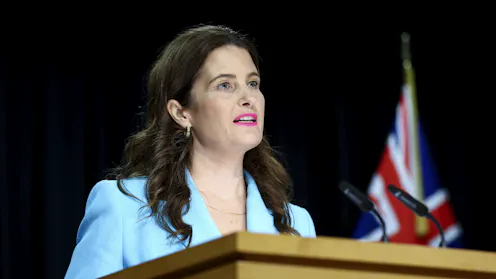
New Zealand has been in a ‘stagflationary spiral’ for years. Pulling out of that takes time, but signs of recovery are real.

Going hungry sometimes or often has become increasingly common for many New Zealanders. Solutions need to be targeted to individual or household circumstances.

In an era of tight budgets and complex social challenges, New Zealand can not afford to ignore the tools such as the CBAx, which can improve decision making – and save money.
New Zealanders have often been frustrated with crucial economic decisions being made using months’-old data. A new tool is starting to bridge that gap.
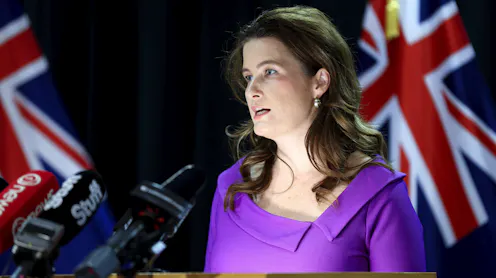
Austerity has become the global default response to tough economic times. But New Zealand should be prioritising investment over cuts to foster long-term growth.

The pandemic – and the emergency responses to it – laid bare fissures in New Zealand society, while permanently shifting the way many live, work and shop.

Our energies would be better spent tackling the tangible effects of global heating than debating the future dollar value of failing to act.

For decades, New Zealand has struggled to substantially improve its productivity levels. But there are key ways the government can address this issue – improving the economic wellbeing of the country.
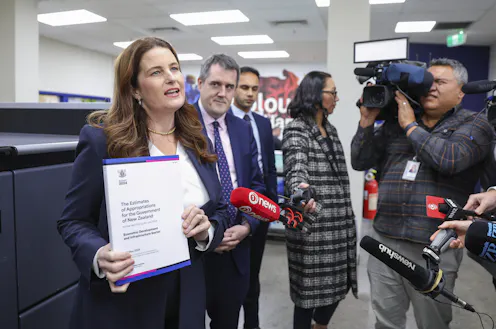
Finance minister Nicola Willis made good on two promises with her first budget – tax cuts and no surprises. But the belt tightening required to do that will have longer-term consequences.

Spikes in inflation are often blamed on government borrowing to deliver cash handouts. But it’s more complicated than that. The real issue lies in borrowing without a plan to balance the books.
Contact Dennis for
- General
- Media request
- Speaking request
- Consulting / Advising
- Research collaboration
- Research supervision
- Article Feed
- Joined
