
As streaming services become increasingly dominant, the relevance of the existing local content quota system is declining.
- Senior Research Fellow, Centre for Advancing Journalism, The University of Melbourne
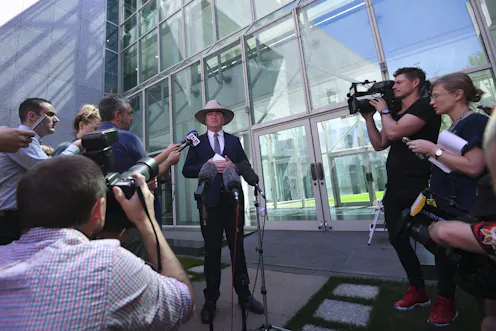
Media reporting of the Barnaby Joyce affair would have been so much better if journalists had established substantial public-interest justifications before breaking the story.
As politicians grapple with the fall-out from social media missteps, the public turns back to traditional media for trustworthy news.
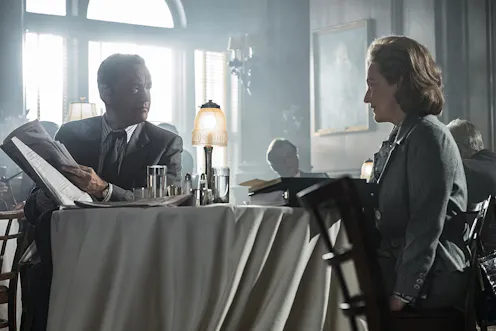
In an age of so-called ‘fake news’ and ‘alternative facts’, Hollywood is producing stories, like The Post, of how journalism should be done.
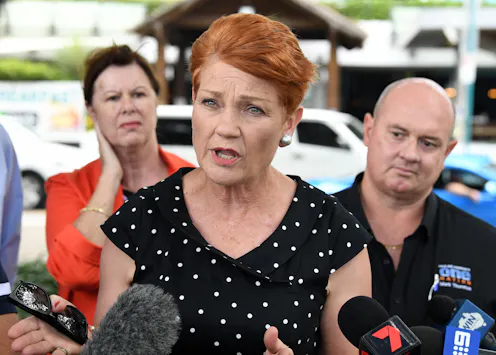
The seemingly disproportionate media attention given to One Nation is the result of a potent news-making brew.
In a suburban hair salon, a Muslim woman suddenly feels unwelcome in the country she has loved for 40 years.
Of the four concessions One Nation won from the government in the latest media reforms, one has the potential to seriously threaten the public broadcaster.
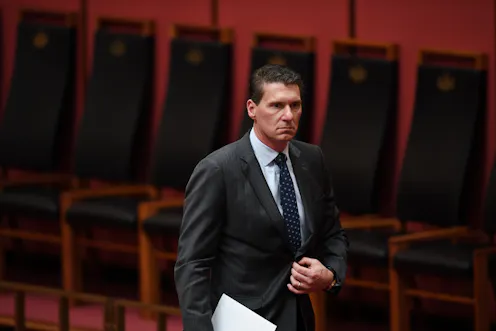
In the marriage equality debate as in any other, media outlets must balance the right to freedom of speech with the balance of evidence.
The most pertinent issue is how much power the federal government is prepared to allow any single media proprietor to have.
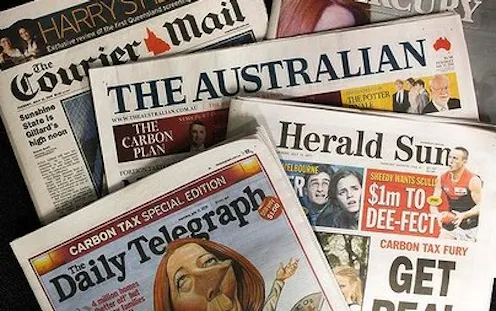
News Corp on the right, Fairfax on the left. This division has a long history in Australia, to the detriment of quality journalism and public debate.
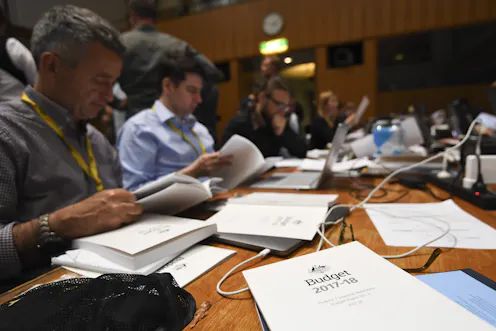
Successive governments have come to see the potential political gain in selectively leaking details of the budget before the big night.
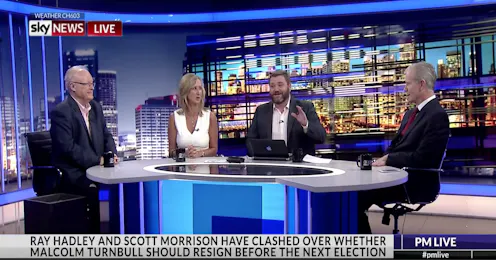
Sky News Australia has two personalities: straight-down-the-line news service during day; right-wing warrior mouthpiece at night.
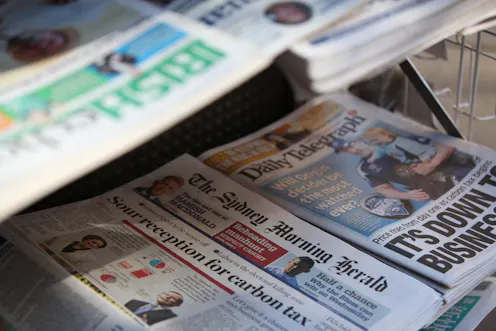
Was shadow minister for communications Michelle Rowland right when she said Australia’s level of media ownership concentration is one of the highest in the world?

Suddenly ‘elite media’ has become a term of abuse, but in truth this is a battle between real journalism and non-journalism.
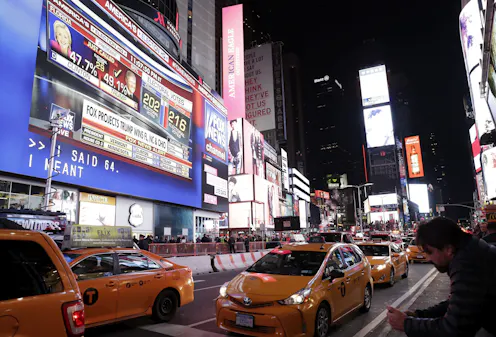
The media as an institution in the United States is in a deplorable condition, and President-elect Donald Trump has been the beneficiary of its failings.
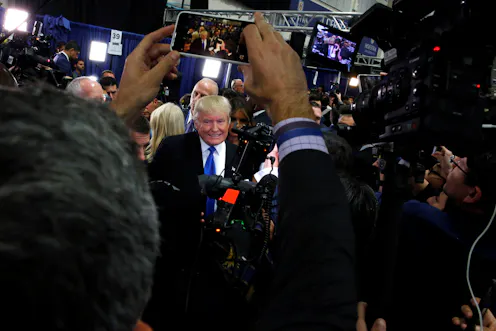
We now find ourselves in a ‘post-truth’ environment, trying to find meaning in dumbed-down democracy. How did we get here?
The Australian media are all for free speech – until it clashes with their politics.
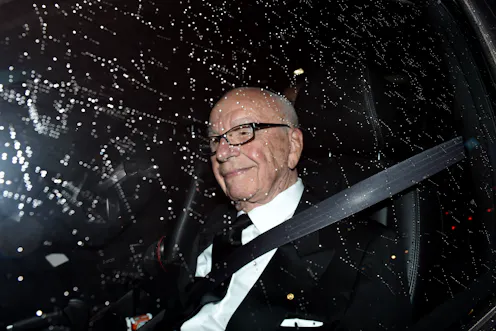
Given newspapers’ continued role as the main provider of new news every day, and the amplifying effect of social media, their potential to influence the body politic remains substantial.
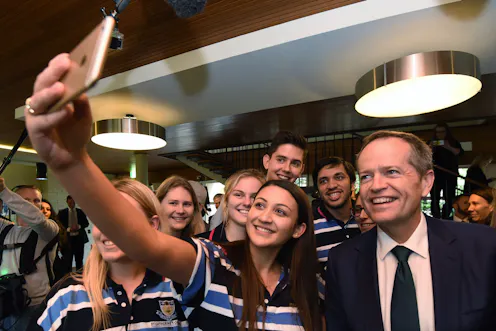
A key feature of the way this election has been covered has been the symbiosis between tradition media and social media.
None of the politicians are talking about it, but threats to freedom of speech have emerged in three different guises in the first three weeks of the election campaign. First there was the assailing of…
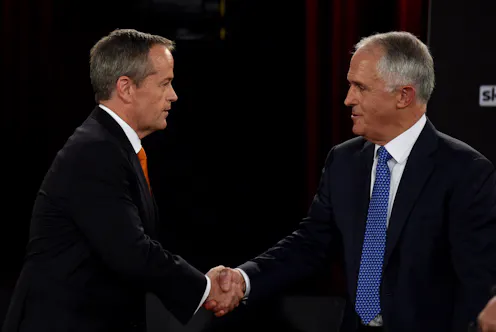
Sky TV’s people’s forum on the evening of last Friday gave us something refreshingly different from recent federal election campaigns: a civil discourse between the two main political leaders. Perhaps…
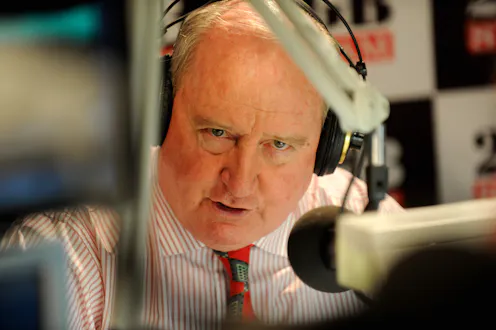
As an eight-week election campaign stretches out ahead of us like a trackless desert, it might be useful to take a bearing on where the prime minister stands in relation to the conservative side of the…
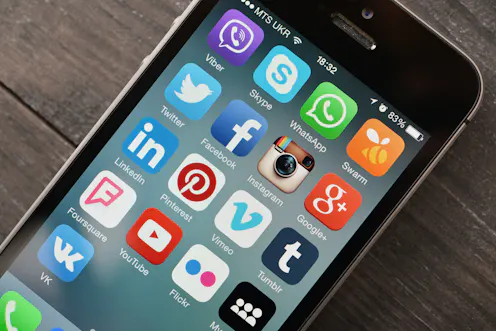
While many accuse social media of being overrun with vile abuse, there are many ways in which it makes a positive contribution to public debate.
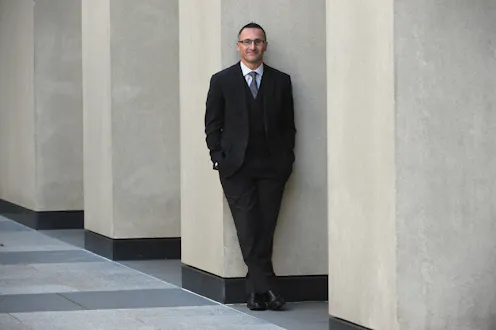
Greens leader Richard Di Natale has copped a lot of flak on social media for his “black Wiggle” photoshoot, but he is simply broadening the idea of what it means to be Green.
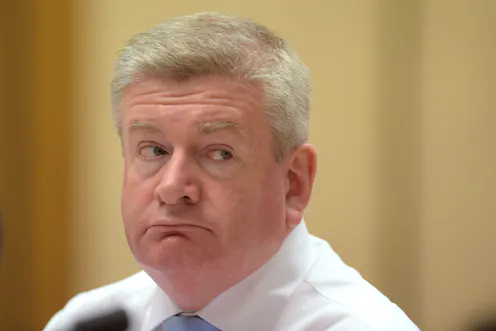
The fact that Communications Minister Mitch Fifield has got a package of changes to Australia’s media laws this far is remarkable considering the ill-fated recent history of attempts at media reform.
Contact Denis for
- General
- Media request
- Speaking request
- Consulting / Advising
- Research collaboration
- Research supervision
- Location: Melbourne, Australia
- X (formerly Twitter): @DenisJMuller
- Article Feed
-
- Joined
