
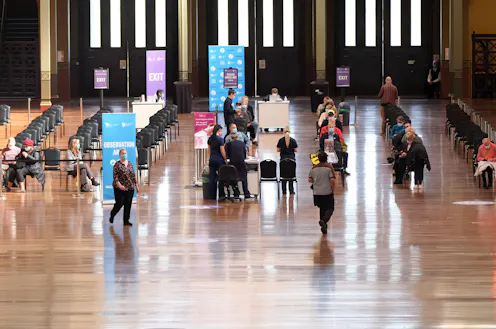
In a pandemic or any other emergency, the first ethical duty of the media is to report accurately and soberly, and specifically not to induce unjustified anxiety or panic.
- Senior Research Fellow, Centre for Advancing Journalism, The University of Melbourne
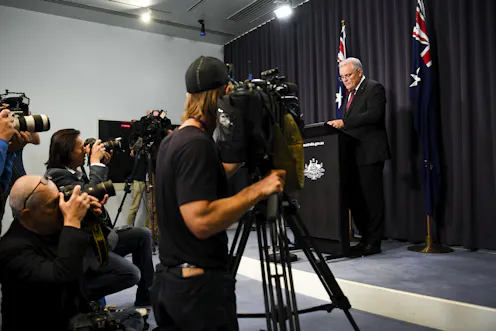
Media regulation in Australia has always been weak, fragmented and lacking in public visibility. It has also never had a government bold enough to do anything about it.
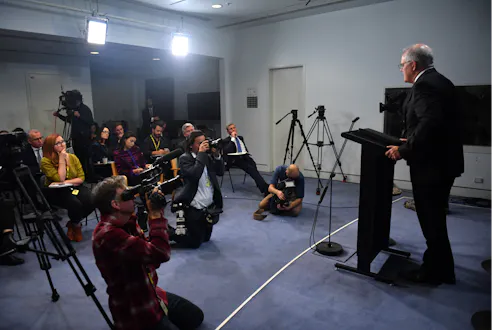
The media have great power in shaping our ideas of people, places and ideas that are beyond our experience. And some need to get much better at how they treat women.
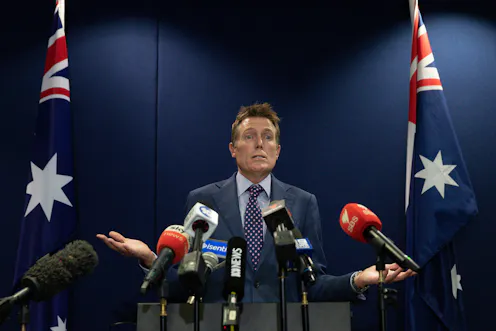
The media treated the rape allegation against Porter as a political story and watched it play out in the political process — without identifying the attorney-general.
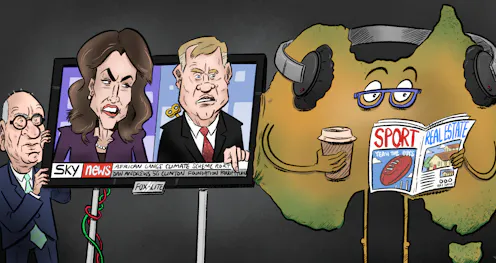
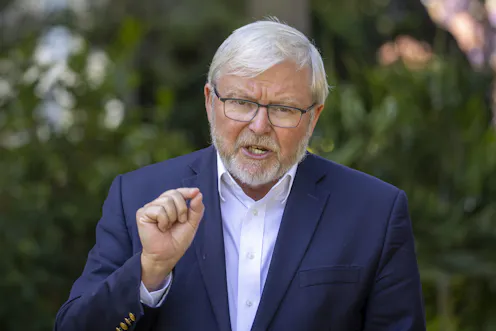
Former prime minister Kevin Rudd believes Sky News is trying to radicalise Australian politics as Fox News has in the US. There are both alarming signs and mitigating factors.
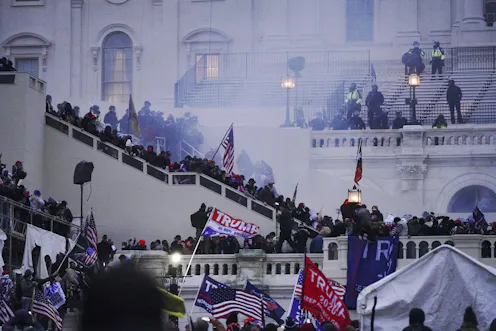
What to publish on incendiary issues is a complex matter, but journalists needn’t believe that not publishing, when there is a good reason, violates and inviolable right.
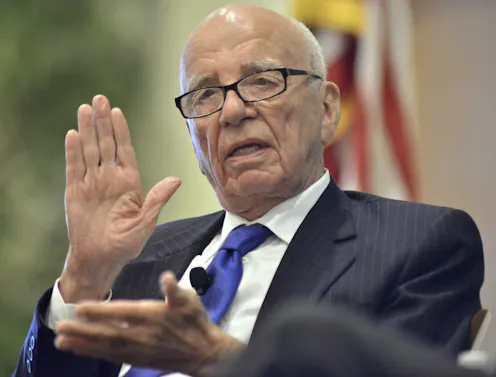
Murdoch has become very adept at changing colours to suit changing political landscapes – and the US election is yet another example of that.
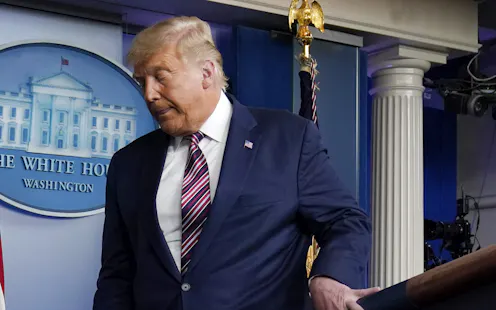
As the US president made unsubstantiated claims about the vote count, many of the major TV networks cut him off. Is this what’s best for democracy?
There have been regular calls and inquiries into media ownership in Australia. But despite the howls of outrage, there has bene little political appetite to do anything about it.
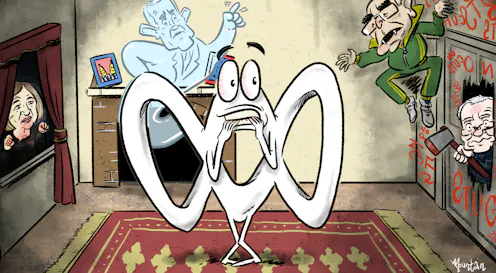
The departure of journalist Emma Alberici from the national broadcaster is the latest example of the ABC being unable or unwilling to push back against hostile governments.
The way the media cover disasters tends to follow a similar trajectory, and the COVID-19 crisis is no exception.
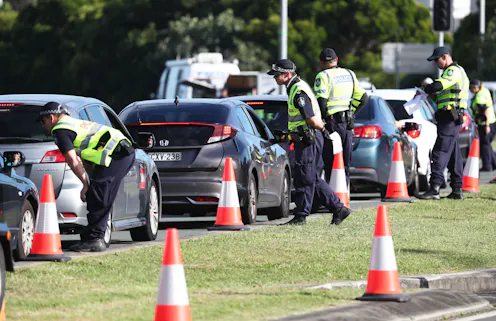
By publishing photos and details of two teenagers who allegedly illegally went into Queensland from Victoria, the media have stripped them of due process and encouraged vigilantism.
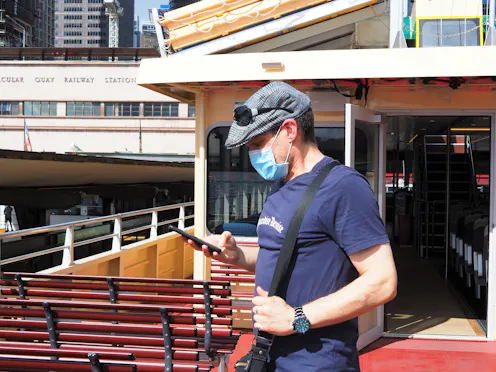
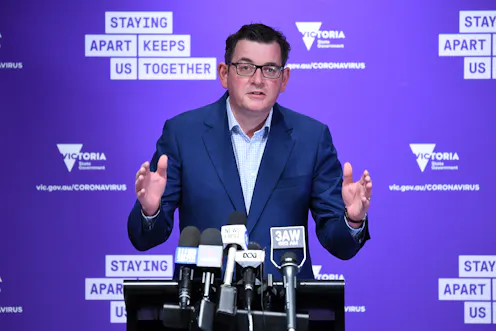
From personally targeting the Victorian premier to railing against the compulsory use of masks or scapegoating a minority group, News Corp’s coverage has been not just biased but dangerous.
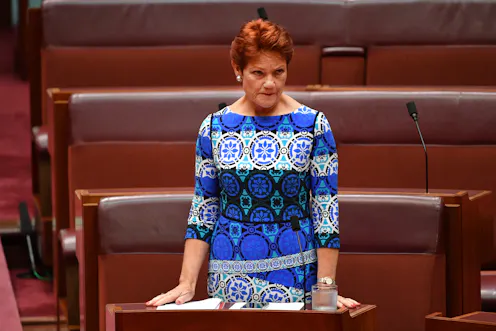
Allowing the senator to appear on the show spouting ill-informed, racist arguments might make for good ratings, but it damages us all.
The media have mad a significant contribution to the current crisis of democracy - now, they must play a vital role in any democratic revival.
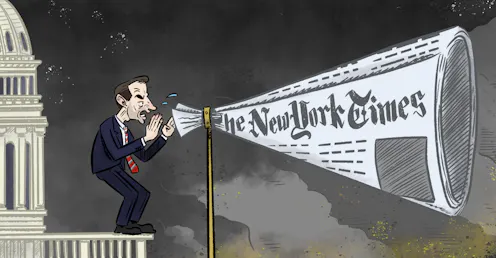
At this critical juncture in American history, the decision to publish a piece to “send in the troops” suggests a failure of nerve from an esteemed publication.
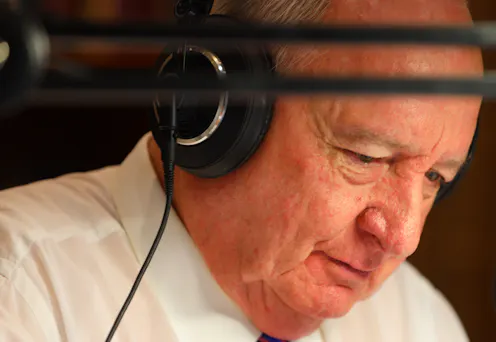
With his defence of those on “struggle street” mixed with a hectoring and bullying style, Jones exerted enormous influence on Australian public life. But utlimately, progress ran over the top.
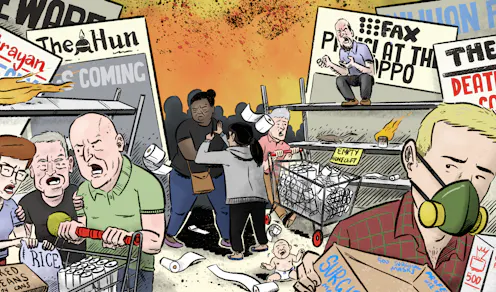
It is the stories that are entertaining rather than informative that are most likely to add to the panic, and media outlets need to be careful about what they publish.
In dismissing the case, Justice Wendy Abraham drew attention to a huge gap in the protection of journalists’ sources under ‘shield laws’, which don’t apply to most search warrants.
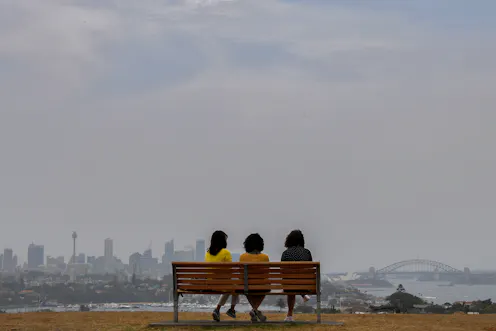
Given the summer we have had, media acquiescence in climate change denial, and failure to follow the weight of scientific evidence, looks like culpability.
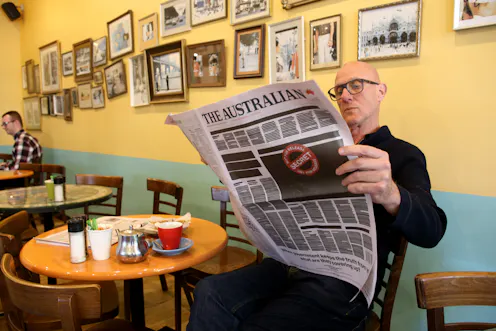
Even if the government was willing to bend on media freedom, the mindset within the public service remains fixed on secrecy and the control of information.
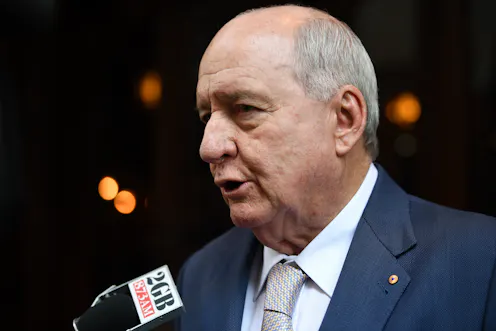
The broadcaster’s latest outrage may finally make his employer act - but not because of any damage he is doing to the social fabric.
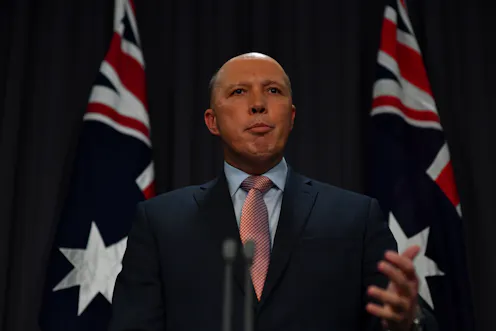
While the ministerial direction represents a genuflection in the direction of press freedom, it provides nothing by way of protection for whistleblowers.
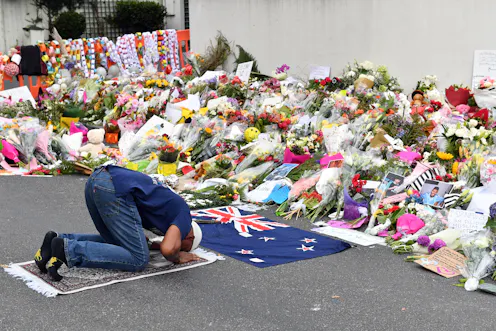
The Australian Communication and Media Authority’s report into the conduct of Australian media in the aftermath of the Christchurch shootings is nuanced but very tame.
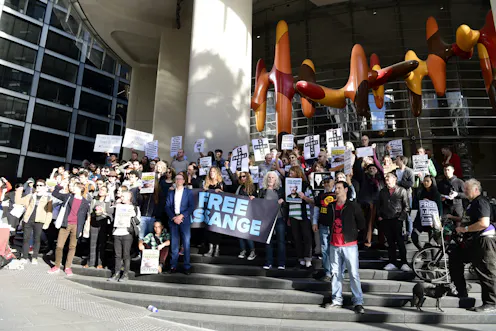
A parliamentary inquiry into press freedom is merely a public relations exercise designed to buy time until the public anger over last month’s police raids dies down.
Contact Denis for
- General
- Media request
- Speaking request
- Consulting / Advising
- Research collaboration
- Research supervision
- Location: Melbourne, Australia
- X (formerly Twitter): @DenisJMuller
- Article Feed
- Joined
