

The pre-Christmas period puts New Zealanders at high risk of exposure to COVID. Even at small gatherings of ten people, the probability someone has the virus has increased from 2-3% to about 15%.
- Senior Lecturer, University of Auckland, Waipapa Taumata Rau

New research suggests countries with cosmopolitan values may be more likely to
shift towards democracy, but democratic institutions can’t endure without sustained
efforts to promote such values.

The decision to remove the testing requirement for international arrivals seems shortsighted. All outbreaks in Aotearoa have been caused by new variants coming across the border.

Case numbers are falling in all age groups, including over-70s. This is good news as case rates in older people have been a key driver of the steep rise in hospitalisations and deaths in this wave.

The last Omicron wave affected younger people. But the new BA.5 variant is seeing case numbers in older age groups higher than ever before – just as hospitals are under the most pressure.

Our best chance of limiting the emergence of new recombinant COVID variants is to limit the spread of infections, using public health measures to slow and suppress the virus.
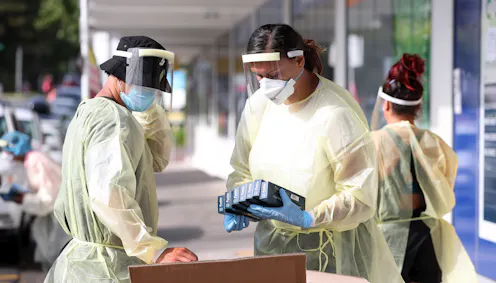
As Omicron cases soar in New Zealand, most people can still avoid getting infected. Even if you share a household with an infected person, catching the virus is not at all inevitable.

Without genome sequencing, we would be blind to new variants of COVID-19. As Omicron surges in New Zealand, the sequencing focus is shifting to learning about what causes severe or long-term disease.
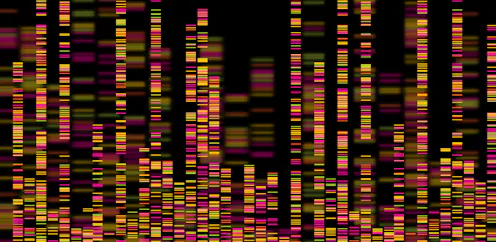
As more genomes are sequenced, it will become clearer when and how the Delta variant slipped through the New Zealand border. The greater the diversity in genomes, the older and larger the outbreak.
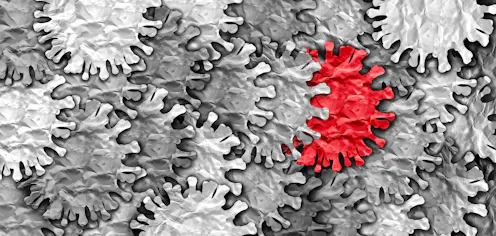
The rapid increase in the number of infections is the most obvious reason why new variants of the virus have been emerging recently. Case numbers doubled in just two months at the end of 2020.
Without improvements to New Zealand’s ‘makeshift’ border quarantine system the risk of further community cases of COVID-19 variants remains high.
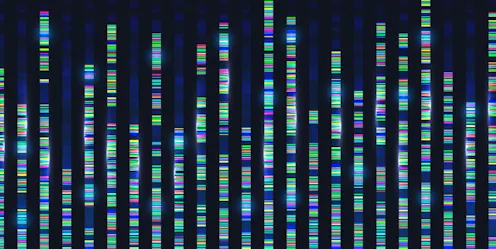
Genetic analysis of virus samples from New Zealand’s latest COVID-19 cases is now much swifter. It’s providing key information, but hasn’t yet answered the question of where this second wave started.
Genomic sequencing of positive COVID-19 samples could help New Zealand pinpoint the source of its new community outbreak. But it only works if all samples are sequenced – and right now, they’re not.
Contact David for
- General
- Media request
- Speaking request
- Consulting / Advising
- Research collaboration
- Research supervision
- Location: Auckland, New Zealand
- X (formerly Twitter): @phydyn
- Article Feed
- ORCID
- Joined
