
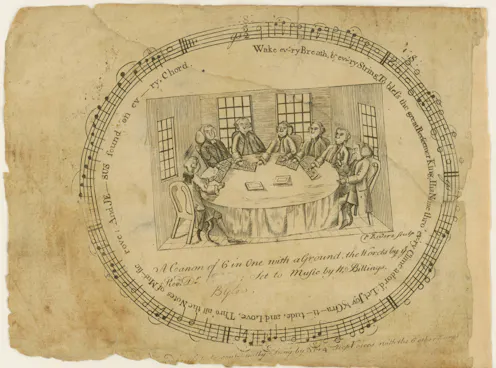
William Billings has been largely forgotten, except among music historians. But he was the country’s first notable composer, penning protest songs against Great Britain.
- Professor of Religious Studies, Michigan State University
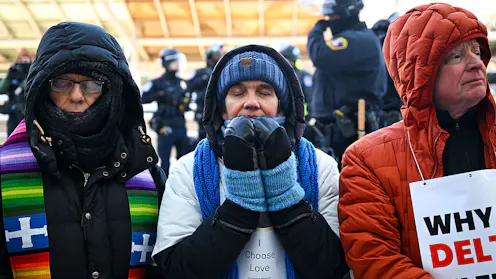
Clergy demonstrating against ICE in Minneapolis have turned to classic ‘freedom songs’ – the music associated with protests ever since the Civil Rights Movement.

Plenty of movies have explicitly religious themes, but some of the most interesting examples of faith or transcendence on screen are much more subtle.
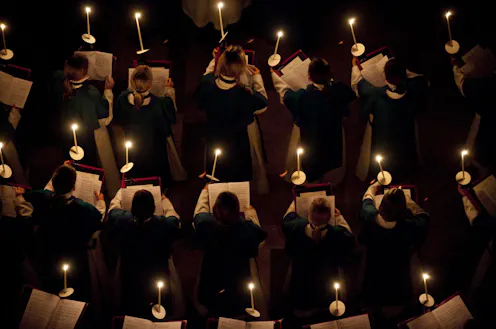
Songs of the season – sacred and secular music alike – sometimes acknowledge that Christmas isn’t all joy.
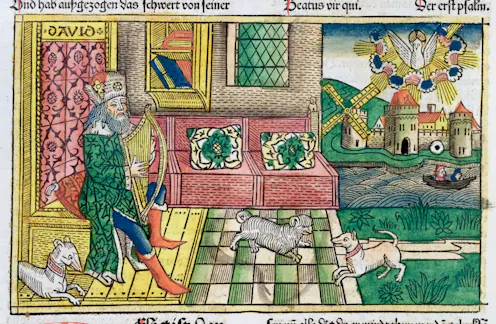
Gratitude and praise are not only some of the most common themes in Christian music, but also some of the oldest.

The genre of contemporary Christian music has been around for decades, but the line between CCM and secular pop music has always been blurry.
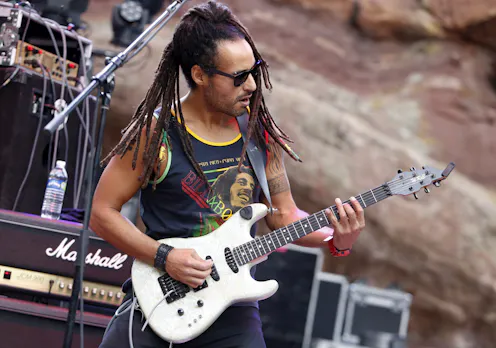
Reggae is the musical expression of Rastafari, a belief system of migrants to Jamaica. A popular song, ‘Rivers of Babylon,’ offers a window into their spirituality and longing for their homeland.

Psalm 137 – best known for its opening line, ‘By the Rivers of Babylon’ – is a 2,500-year-old Hebrew psalm that deals with the Jewish exile and is remembered each year on Tisha B’av.
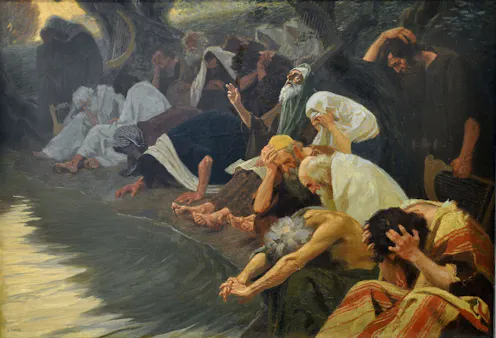
Frederick Douglass used the words of Psalm 137 in his famous speech, ‘What to a Slave is the Fourth of July?’ For centuries, this poem has resonated with writers and composers on how humans deal with trauma.
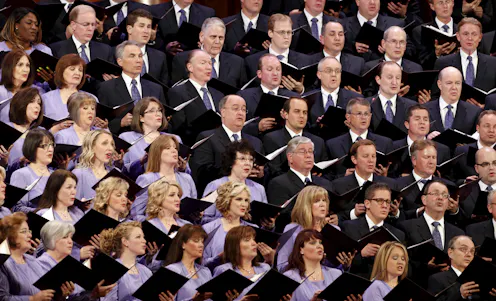
Sacred music joins people in a collective expression - whether of joy, sorrow or protest.
Contact David for
- General
- Media request
- Speaking request
- Consulting / Advising
- Research collaboration
- Location: East Lansing, Michigan, U.S.
- Website
- Article Feed
- ORCID
- Joined
