

Western Australia’s police are now scanning faces in real time. The technology works – roughly. The laws to govern it do not yet exist.
- Adjunct Senior Lecturer, Applied Ethics and CyberSecurity, Griffith University

Paralysed people are already using brain-computer interfaces to turn their thoughts into text. But there are risks to this technology.

Even though WhatsApp has strong privacy and security features, it isn’t impenetrable – as Israel has previously shown.

Reports claim the government is cancelling the JP9102 project by Lockheed Martin, meant to deliver an “uncrackable” comms network for the Australian military.

The long-awaited law, if passed, will be Australia’s first standalone cyber security act.

Social media algorithms, anonymity and viral culture combine to amplify online abuse. To combat trolling, everyone must work together.

The CrowdStrike outage reveals the fragility of interconnected systems – a digital monoculture makes us all vulnerable.

You may only know Amazon as an online retailer – but it’s also become the world’s single biggest player in providing cloud computing services.

Each of these tricks is old, but each has been supercharged by the use of information technology.
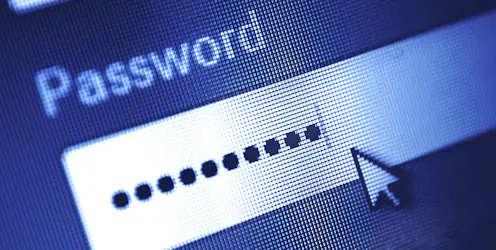
In what is colourfully termed a ‘brute force’ attack, hackers use bots to test millions of username and password combinations on different websites – until they find a match.

A new report reveals how a pro-China influence network exploits advanced AI to coordinate propaganda across YouTube channels.

Australia could become one of the world’s strongest cyber nations – but the success of the new strategy will come down to the details.

Port operator DP World handles roughly 40% of Australia’s sea freight. Over the weekend its ports were disrupted by what appears to be a malicious, targeted cyberattack.

Cloud computing is a way for businesses to access extra computational resources over the internet. Without it, the internet as we know it would malfunction.
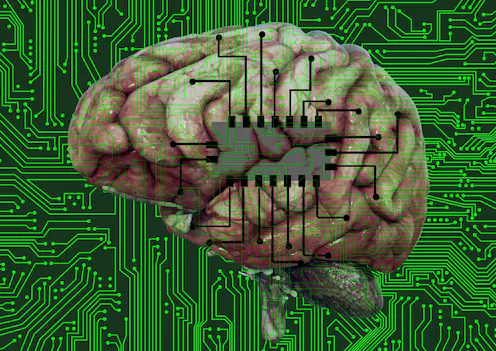
An expert explain the various concerns that were holding up FDA approval – from potential harmful side effects, to protecting the privacy of users’ brain-wave data.

The platform has already faced bans in a number of other countries – most of them citing privacy and surveillance concerns.

A privacy researcher found a ‘code injection’ that allows Instagram and Facebook to collect sensitive user data, including passwords and credit card details.

TikTok has admitted its Chinese employees have access to user data collected outside China.

The technology is progressing but it must pass a number of regulatory hurdles. We’re unlikely to see an affordable implant in the short term.

The platform’s data usage and privacy implications raise serious concerns.

Tech giants such as Spotify like to claim they are platforms, not publishers, and aren’t editorially responsible for the content they host. But with COVID threatening lives, they have to do better.

A number of legal cases were brought forward by regulators this year, in a bid to hold major tech companies accountable.

Philanthropy played an important role in the development of international air travel.

It took Facebook nearly six hours to get its services back online. In the meantime, Twitter had a field day.
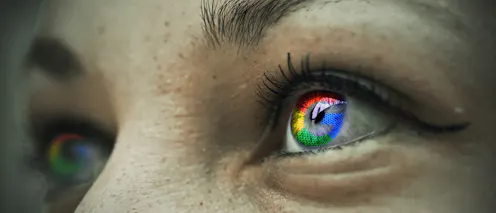
Each time you visit a page hosting ads, an automated ad auction begins behind the scenes — where the highest bidder wins the chance to target you with their product.
Contact David for
- General
- Media request
- Speaking request
- Consulting / Advising
- Location: Brisbane & Gold Coast, Australia
- Website
- LinkedIn: https://www.linkedin.com/in/davidtuffley/
- X (formerly Twitter): @DavidTuffley
- YouTube: @DavidTuffley
- Article Feed
- ORCID
- Joined
