

Alberta’s move to shift disability recipients onto a lower-paying, employment-focused benefit assumes people can make up the difference through work, savings or family. Research suggests few can.
- Associate Professor, Sociology, University of Toronto

While some fashion and beauty companies have held firm to their DEI commitments, others have reneged on their promise to reflect on and represent consumer diversity.

Examining how and why we cast blame on others can help us understand the convoy protests and the different ways people reacted to pandemic restrictions.

Supports that were crucial in helping Canadians with disabilities stay afloat during COVID-19 are no longer available, causing concern from many about their economic future.

Canadians with disabilities were hit hardest during the pandemic. CERB limitations meant that many of them were left financially unsupported.
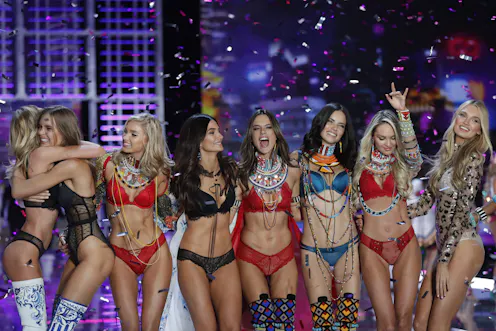
Victoria’s Secret learned a lesson other leading fashion brands and the industry at large are coming to realize: diversity sells. But when it comes to disability, brands aren’t quite there yet.

Cross-partisanship co-operation among political leaders doesn’t neatly translate into a similar consensus among the Canadian public, including those with disabilities or chronic health conditions.

People in high-risk groups are already more likely to be experiencing negative mental health effects during the pandemic. Spending the holidays isolated from family and friends may make matters worse.

Disabled Canadians and those with chronic health conditions have been left out of government COVID-19 policies and programs and are struggling financially.

Canadians with disabilities often have little to nothing left after paying for food, shelter and other living expenses. We need policies that target the root causes of their inequality.
Contact David for
- General
- Media request
- Speaking request
- Consulting / Advising
- Research collaboration
- Research supervision
- Location: Toronto, Canada
- X (formerly Twitter): @d_pettinicchio
- Article Feed
- ORCID
- Joined
