
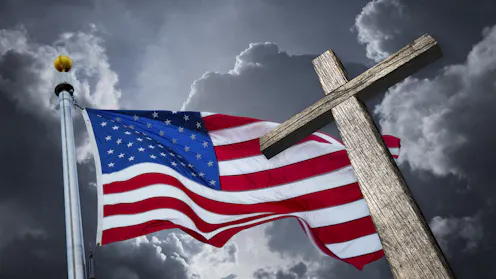
From the Civil War to the Cold War, existential fears have fueled claims that America is a Christian nation, a historian of US Christianity explains.
- Associate Professor of Intellectual Heritage, Temple University
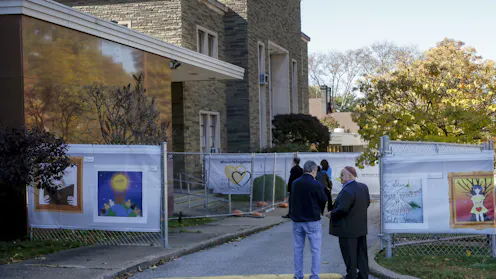
While religious minorities have often faced hostility, many Americans have long believed in religious liberty and a more inclusive society, writes a historian of American religion.
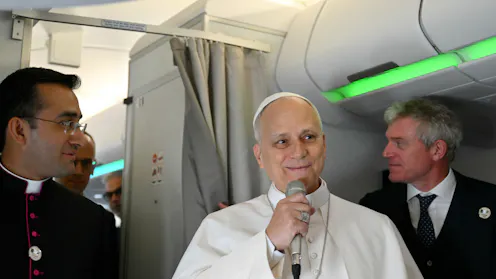
Pope Leo responded firmly to Trump’s scathing criticism. A deeper dive into our archives explains how the exchange might well show a recurring dynamic.
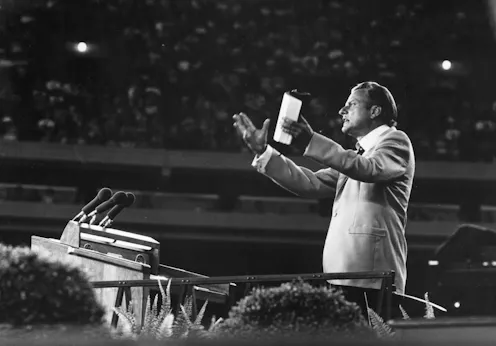
A PBS documentary has reinitiated conversations about the influence of Billy Graham. Here are three articles that describe the impact and the enduring legacy of the famed preacher.
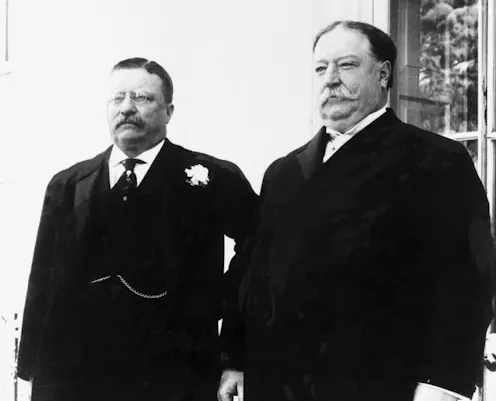
President Trump is using religious rhetoric against his Democratic opponents. A historian of religion cites similar attacks over a century ago.

At least six states have permitted the study of the Bible in classrooms, which could reignite a 19th-century debate that split US Protestants into liberal and conservative camps.
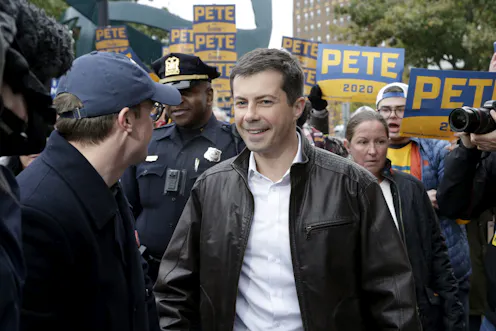
Pete Buttigieg has said that Christianity teaches ‘skepticism of the wealthy and the powerful and the established.’ These ideals are similar to those espoused by a Midwestern Social Gospel movement.
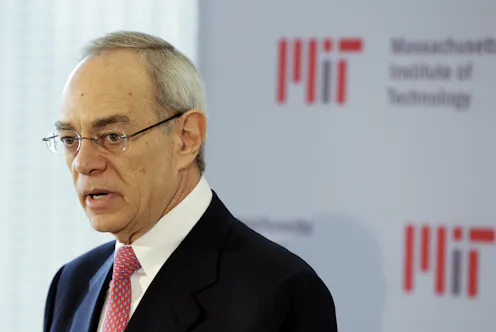
Institutions that benefited from donations from benefactors such as Epstein are facing hard questions. In a somewhat similar ethical debate in 1905, a pastor argued for return of a Rockefeller gift.
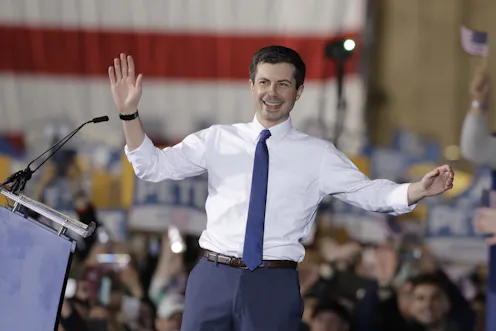
Pete Buttigieg’s recent comments on Christian values, have drawn much attention. They might be quite similar to the ideals espoused by the Midwestern progressive Social Gospel Movement.
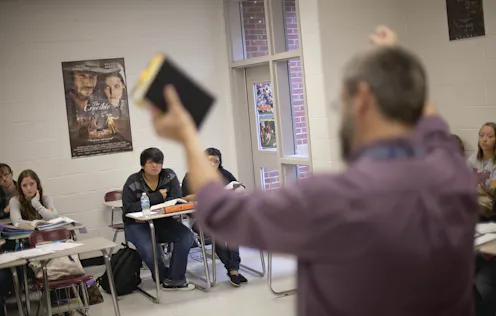
Many states are planning to introduce Bible literacy classes in schools. These classes have a long and acrimonious history.

The National Council of Churches, which represents 38 Christian denominations, has long been the voice of progressive religion. But over the years, its influence has waned.
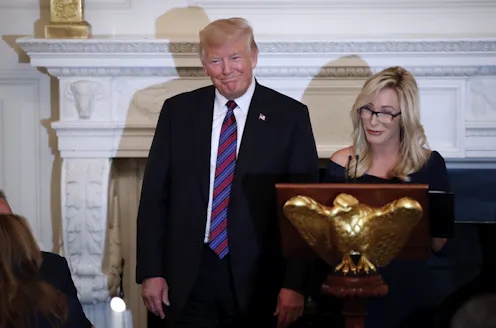
President Trump has promised to protect religious liberty. But there was a time when evangelicals believed that a religion that needed protection from government had no reason to exist at all.

Arguments on religious freedom have taken place throughout US history and have landed in the Supreme Court as well. Interpretations have changed over time.
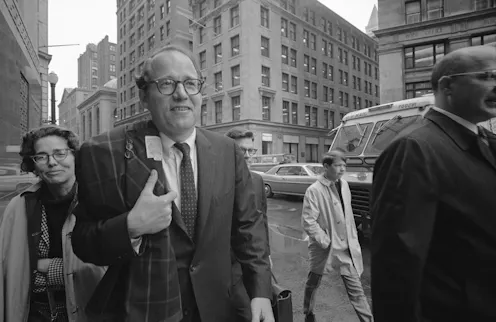
The anti-Vietnam War efforts of Yale University chaplain William Sloane Coffin Jr. and other church leaders alienated many Protestant Americans – with lasting repercussions.
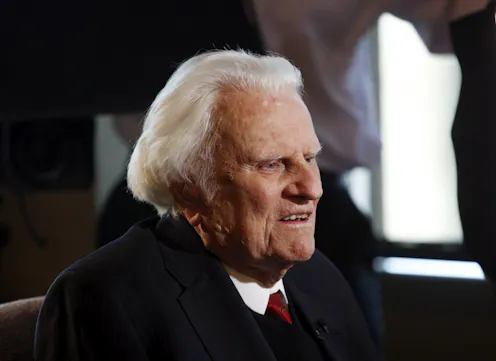
In the 1950s, religious language found its way into government and politics, due in no small part to Billy Graham.

President Trump claims that America is a nation based in faith. A scholar says, it’s more complicated.
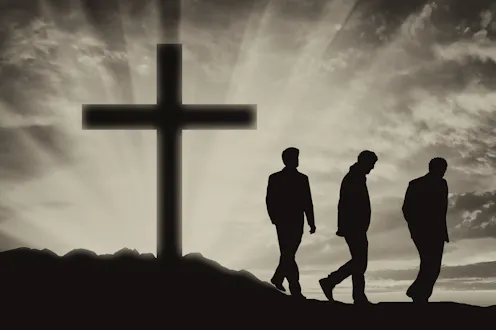
Nearly one of every four people in the US is unaffiliated, which has prompted speculation that this would increase support for liberal policies. A scholar provides some lessons from history.

The Supreme Court appeared divided over claims of religious freedom in the case of a gay wedding. History shows how contentious religious freedom has been in America.
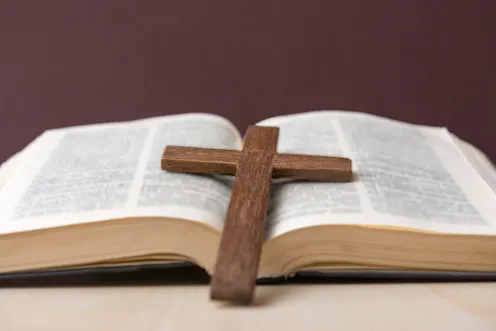
In the early 1900s, a group of Protestants in the US attempted a reunion of Christianity. They failed, of course, but they prompted a new dialogue.
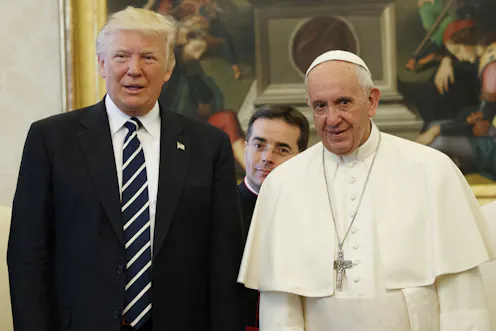
The GOP was once the political home of anti-Catholicism. And the Vatican, it was believed, would use a Catholic president as a way to meddle in US politics.

Trump avoided many of the missteps his critics feared, but he failed to acknowledge the presence of America’s large Muslim population and its contribution to American society.
Contact David for
- General
- Media request
- Speaking request
- Consulting / Advising
- Research collaboration
- Research supervision
- Location: Philadelphia, Pennsylvania, U.S.
- Website
- BlueSky: @davidmislin.bsky.social
- X (formerly Twitter): @dmislin
- Article Feed
- Joined
