

These four federal budgets brought in major reforms. This year’s effort is not quite so ambitious.
- Associate Professor of History, UNSW

Australia has been forced to conserve and even ration fuel several times in its history.
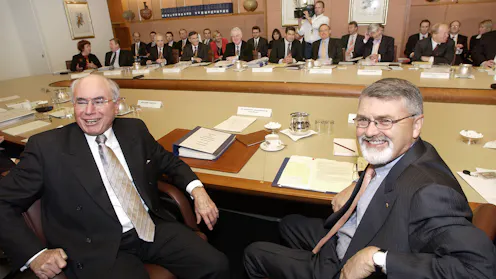
In 2005, the Howard government introduced its controversial WorkChoices legislation. It would be a key factor in the government’s defeat in the 2007 election.
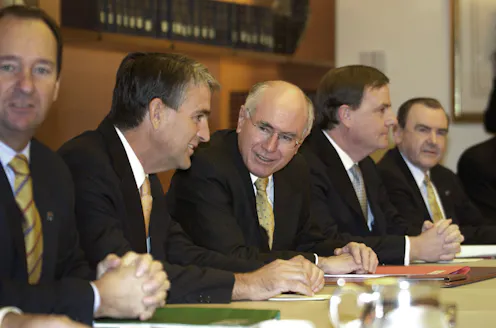
And, for the first time, this cabinet paper release contains records from the national security committee, a powerful subgroup of cabinet.

New papers released by the National Archives of Australia reveal how the decision was made for Australia to join the US’s “coalition of the willing”.

The 2003 Cabinet papers, released today by the National Archives of Australia, reveal the machinations over Australia’s entry into the Iraq war.
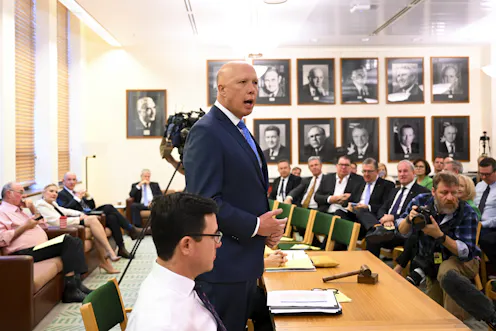
The partnership between the Liberal and National parties has a long and at times chequered history – but it has also had tremendous success in winning and holding government.
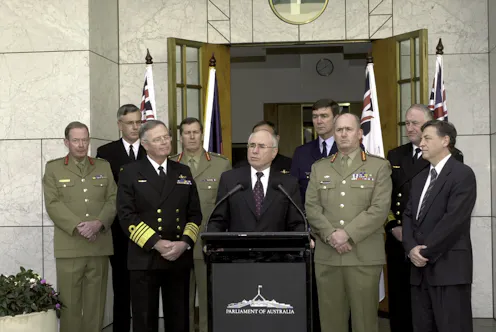
This year’s release, from the cabinet records of 2002, is framed by two events of the previous year: the Tampa affair and 9/11.
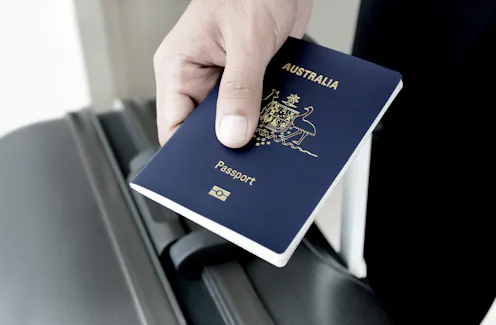
The cost of the Australian biometric passport and the rigour involved in obtaining one can be traced to our participation in an international passport system that evolved over the last century.
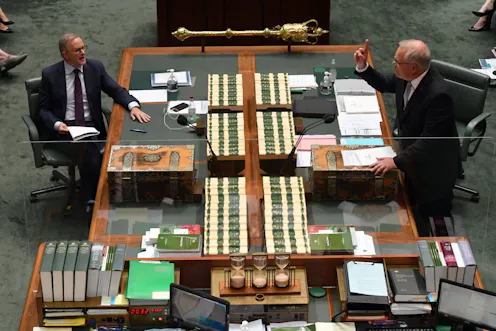
Since the advent of the two-party preferred system, there have been two examples of parties governing effectively in minority, and with the support of independents.
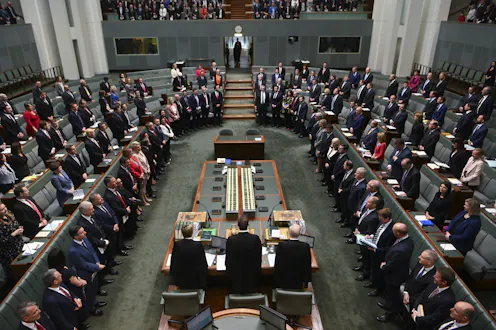
In 1922-23, Billy Hughes’ Nationalist Party brokered a deal with the Country Party to form government - but only on condition Hughes was no longer prime minister. It’s possible this could play out again.
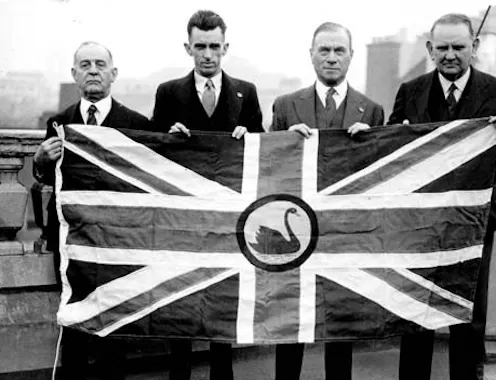
WA Premier Mark McGowan’s strong stance on borders has reminded many of the long streak of separateness that has defined Western Australia throughout history.
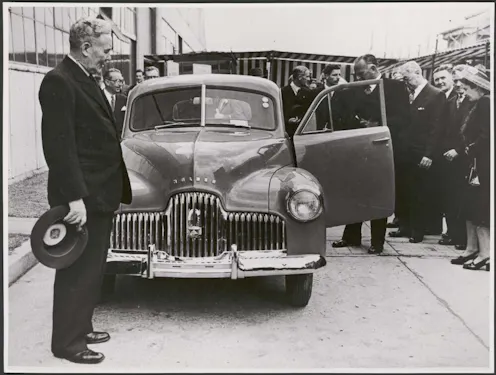
There is a case to be made for a new Commonwealth agency to lead the recovery effort, built on the model of the Department of Post-War Reconstruction after the second world war.
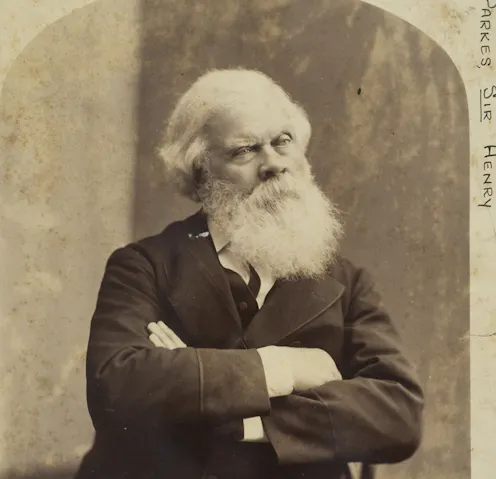
Parkes is known as the ‘Father of Federation’. His tireless championing of a united Australia brought the colonies together and set them on a course for nationhood.
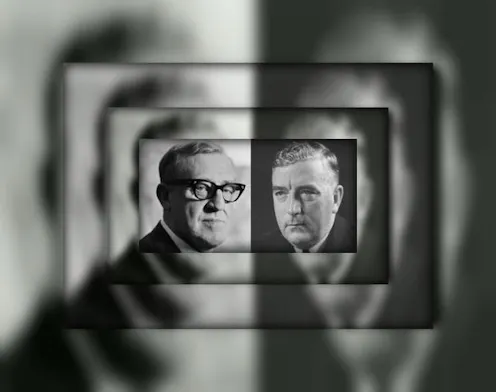
In 1960, Harold Holt, the then-treasurer, urged the government to abolish import restrictions, resulting in a minor recession. This nearly swung the election in the ALP’s favour.
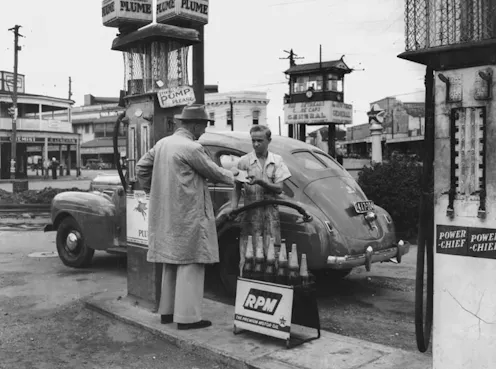
Historians attribute the Coalition’s election victory in 1949 to issues like bank nationalisation and the Communist Party. But the decisive issue was petrol rationing.
Contact David for
- General
- Media request
- Speaking request
- Consulting / Advising
- Research collaboration
- Research supervision
- Article Feed
- ORCID
- Joined
