

There are opportunities at every level of the US energy market to save consumers money – if governments, companies, communities and individuals choose to act.
- Lynton K. Caldwell Professor of Public Affairs, Indiana University

One in 4 American households is at risk of losing power because of the high cost of energy. Over 30% of those disconnections are in summer, when heat gets dangerous.
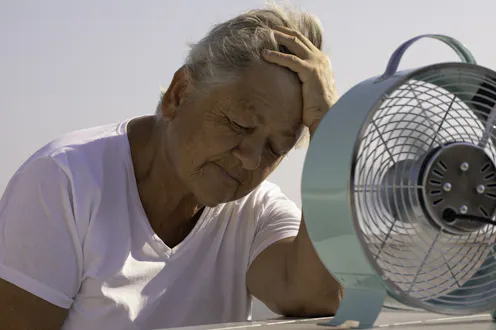
One in 4 American households are at risk of losing power because of the high cost of energy. Over 30% of those disconnections are in summer, when heat gets dangerous.
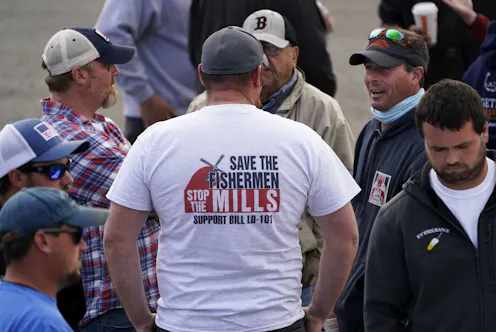
Most Americans support clean energy in principle, but what will they do when wind turbines or high-voltage transmission lines come to town?
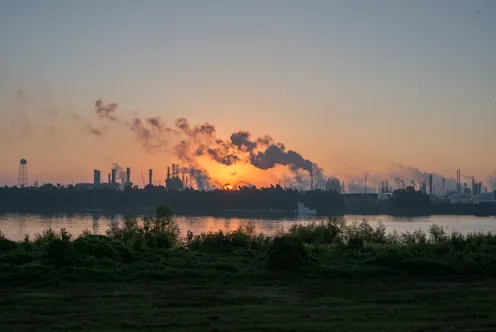
The US environmental justice movement dates back to the early 1980s, but federal support for it has been weak and inconsistent. Here are four things Biden’s EPA can do to improve that record.
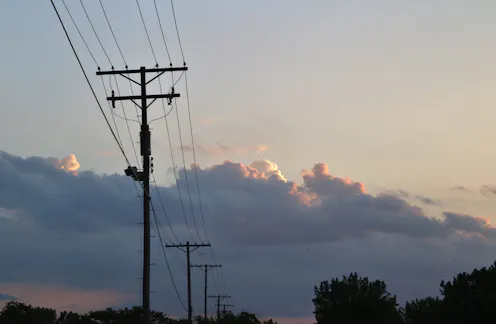
Many Americans had trouble paying their energy bills before COVID-19, and the current recession is making the problem worse.
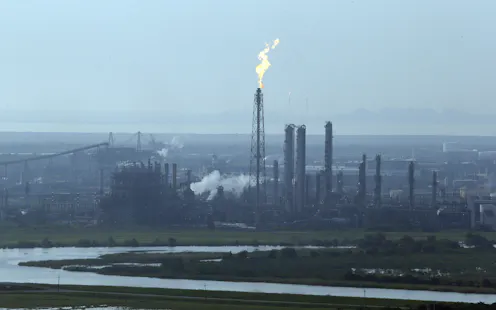
An analysis of air pollutants from Texas shows how significant – and largely underregulated – the category of ‘excess’ emissions is across the US.
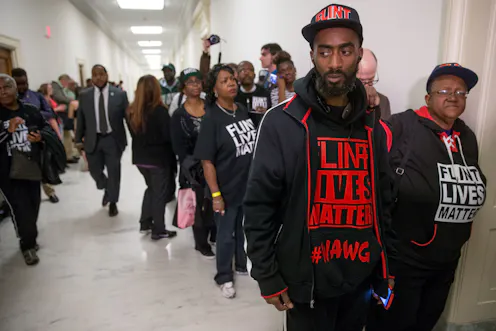
Addressing social and health inequalities from pollution is no longer a priority at the EPA. What did the Office of Environmental Justice do and what will happen if it’s shut down?
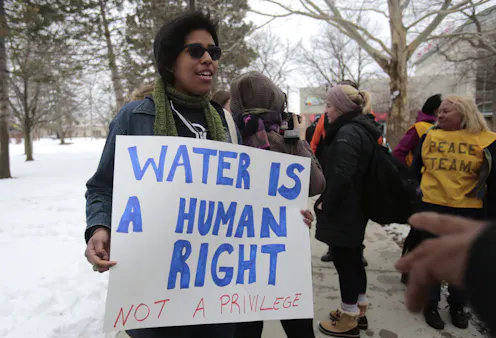
The hostility of Scott Pruitt, Trump’s nominee to head the EPA, toward climate change rules is well-known. But his anti-regulatory stance could easily set back years of work on environmental justice.
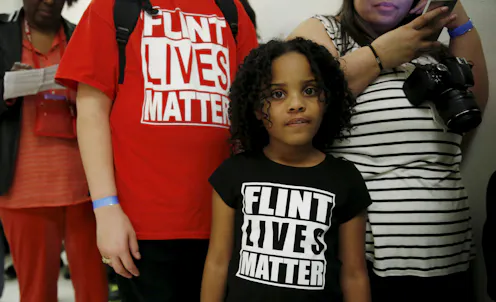
Hillary Clinton has elevated environmental justice to a high level as a presidential nominee, but as the Flint water crisis demonstrates, the deeper problem lies in ineffective government agencies.
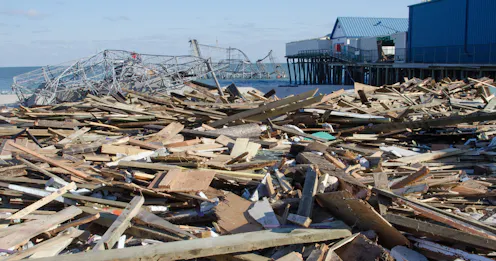
Despite what some climate advocates think, extreme weather events do little to sway Americans’ political views on climate change.
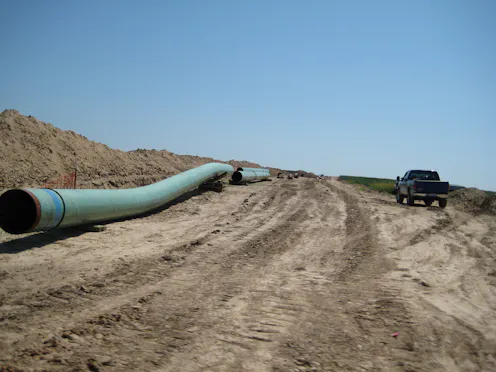
Obama will decide on the Keystone pipeline before he leaves office, but despite marginal voter interest, it’s an issue politicians on all sides will not let die.
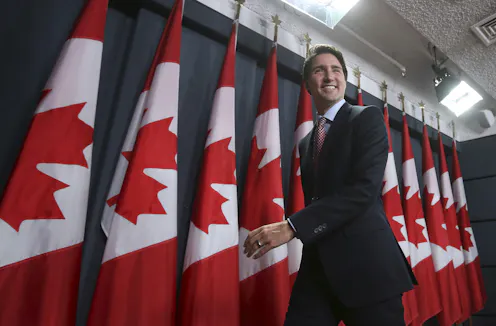
Two politicians known to oppose action on climate change – Canada’s Stephen Harper and Australia’s Tony Abbott – have been displaced. What does this say about climate as a voter issue?

Hillary Clinton’s opposition to construction of the Keystone pipeline has little effect in the short term but reflects building “supply side” strategy of environmentalists to limit fossil fuel development.
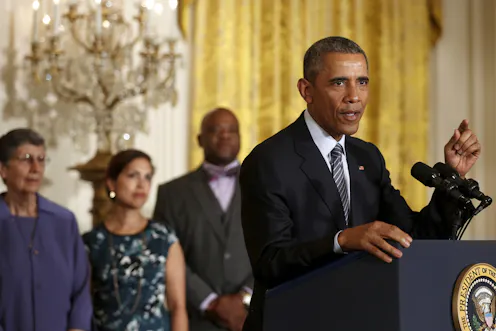
A panel of scholars provide analysis of the Obama administration’s EPA Clean Power Plan and its impact on the electricity sector, the climate and politics at home and abroad.
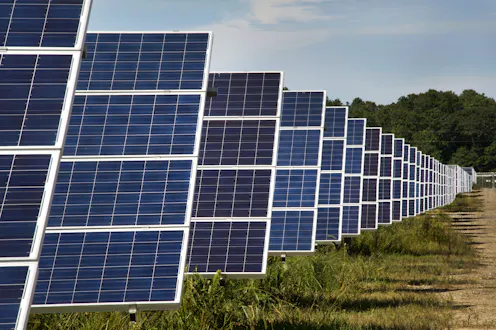
Hillary Clinton’s energy and climate platform emphasizes renewable energy and the health benefits of the plan – a position that will resonate with many voters.
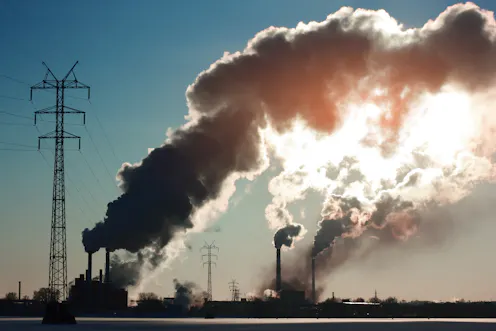
The American public appear to be of two minds on climate change in politics: supportive of policy action but unconvinced climate change is an urgent priority.
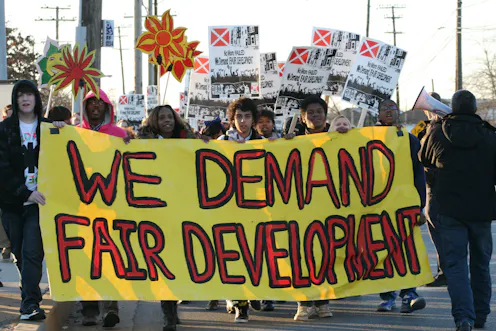
The EPA and other federal agencies have yet to address environmental justice – despite a long history of poor and minority communities suffering environmental ills disproportionately.
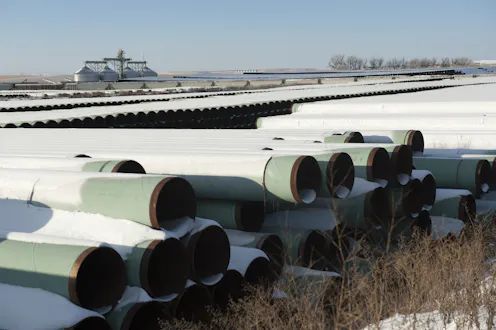
A roundtable of energy experts weigh in on the significance of Obama’s veto — the economics, the politics and the environmental — as well as what’s next.
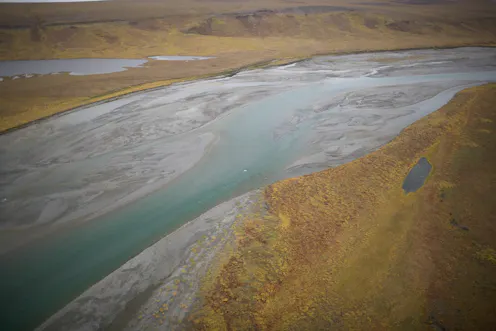
In a few months, we will mark the five-year anniversary of the Deepwater Horizon oil spill. The accident released millions of barrels of oil into the Gulf of Mexico, causing extensive impacts on the marine…
Contact David for
- Media request
- Speaking request
- Consulting / Advising
- Research collaboration
- Research supervision
- Location: Bloomington, Indiana, U.S.
- X (formerly Twitter): @DavidKonisky
- Article Feed
- Joined
