

This record-breaking heat is primarily driven by humanity’s burning of fossil fuels. The warming won’t stop until we reach net-zero emissions.
- Professor emeritus, The University of Melbourne

Australia’s environment does not have sufficient legal protection from climate change, as outlined in a new report from the Climate Council Australia.
Fear and Wonder is a new climate podcast, brought to you by The Conversation, and sponsored by the Climate Council. In episode three, we discuss the latest advances in extreme weather attribution.
234 scientists from 66 countries reviewed over 14,000 research papers. It was gruelling and it was worth it: the report is the most important global assessment of climate change science yet.

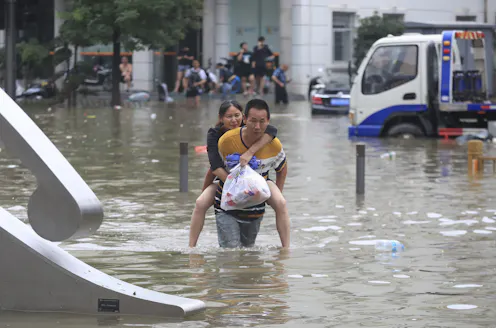
El Niño events can affect millions of people around the world, causing drought in Australia and floods in the Americas.
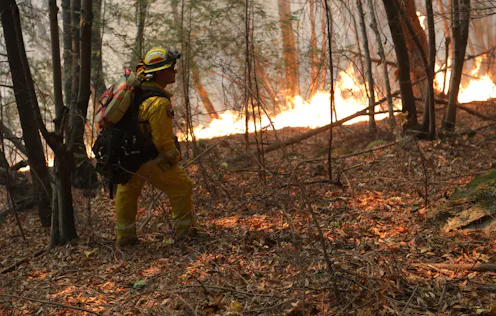
This year is poised to go down as the hottest non-El Niño year ever recorded, with record low polar ice and extreme weather that left many regions battling bushfires and hurricanes.
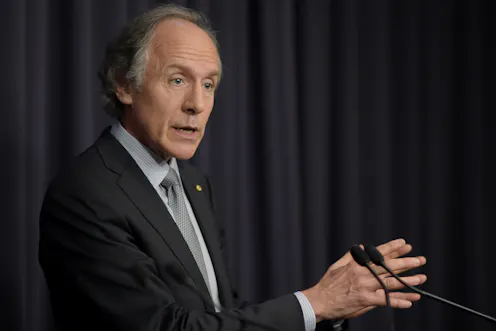
Chief Scientist Alan Finkel has attempted to address the energy ‘trilemma’: electricity that’s cheap, reliable and low-emissions. Has he succeeded? Our expert panel weighs in.
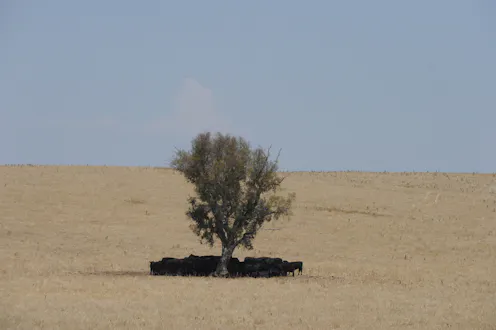
Global warming of 2°C, the higher of the two Paris targets, would see current record-breaking temperatures become the norm in the future, potentially bringing heatwaves to both land and sea.
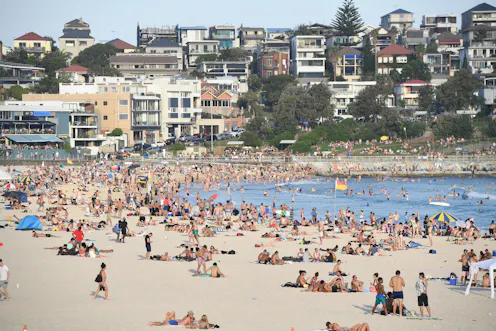
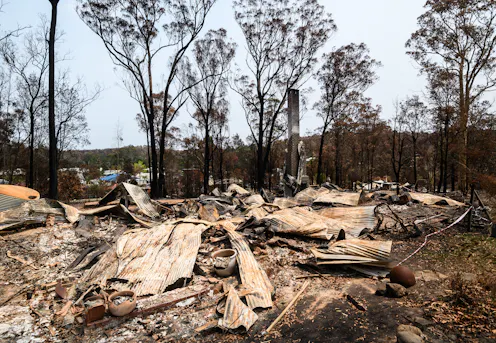
New South Wales has just had its hottest summer on record – an event that was made 50 times more likely by humans’ impact on the climate.
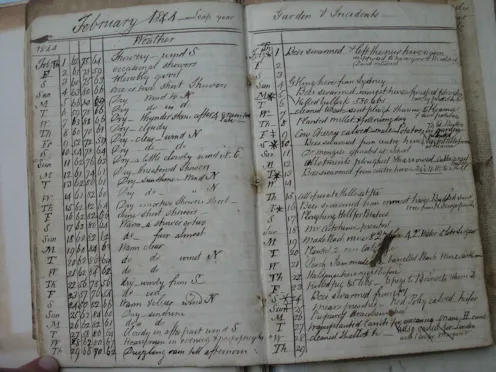
High-quality climate records only go back to the start of the 20th century. But using handwritten letters, journals and tables, researchers have access to data going back to the 18th century.
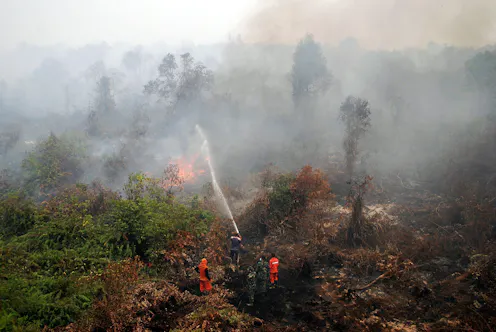
We’re due to cop a hiding from the Pacific Ocean, but we don’t know when.

Two members of the Climate Change Authority offer an alternative view on its latest report, arguing that the recommendations are not in line with Australia’s international climate obligations.
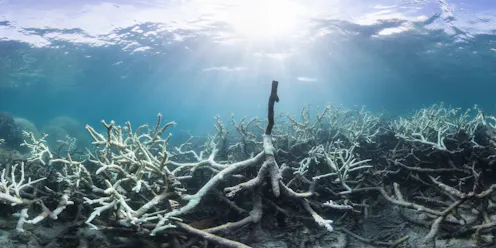
This summer’s record-breaking coral bleaching on the Great Barrier Reef was made 175 times more likely thanks to climate change.
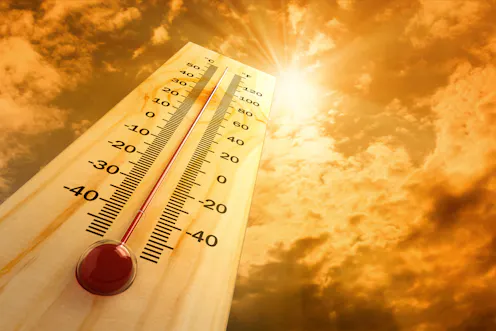
2015 will likely be the hottest year on record, according to a preliminary analysis released by the World Meteorological Organization.

2014 saw heatwaves of all kinds and other wild weather. Research can now explain that climate change made these events much more likely.
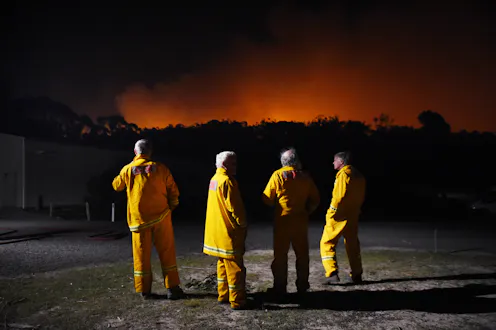
This has been Australia’s hottest October on record. And the record-breaking temperatures are at least six times more likely thanks to human-induced global warming.

Scientists and policy makers are struggling in some countries to gain the support that will lead to meaningful action on climate change. Could art be the answer?
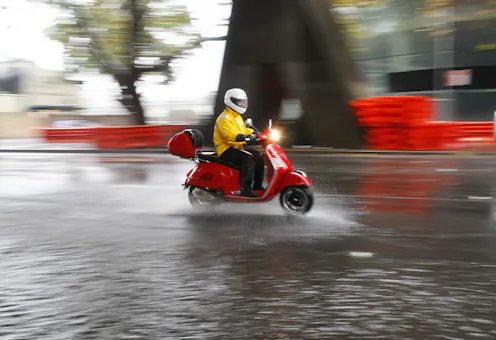
The recent wild weather that lashed New South Wales has been described as ‘once-in-a-century’. But how often does it really happen?

It’s clear: 2014 has been a scorcher. As well as probably being the hottest year on record globally, regional and local climate records have tumbled too. Australia recently had its hottest spring on record…

As representatives from around the world sit down in Lima to discuss how to tackle the ever-growing problem of climate change, it is becoming increasingly likely that 2014 will be the hottest year on record…
Every day there seems to be more confusing (and sometimes downright misleading) news about climate change. Depending on what you read and whom you listen to, climate change is getting worse, or not happening…
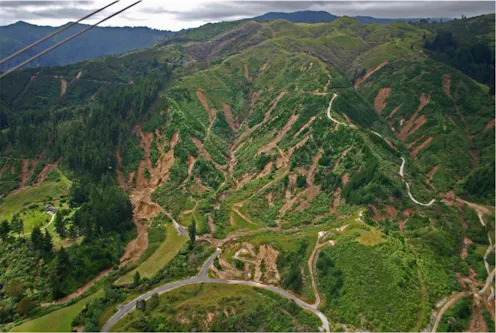
Australians and New Zealanders can now use their computers to help scientists discover if climate change has contributed to record heatwaves, droughts and flooding across both countries. The Weather@home…

Only six of the previous 19 Winter Olympics host cities would be suitable to host the Games again by the end of this century due to warming temperatures, according to a new analysis. Average February maximum…

The Bureau of Meteorology has confirmed that 2013 was the hottest year in Australia since records began in 1910. Unusual heat was a persistent feature throughout the year. For the continent as a whole…
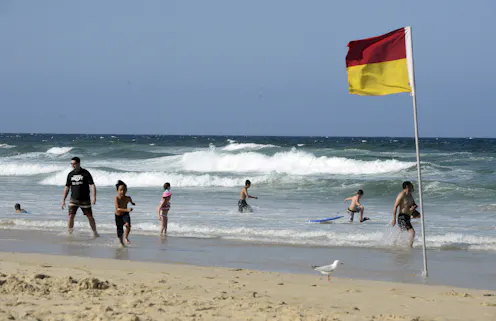
Australia has experienced its hottest September on record, as well as rewriting the records for the hottest 12-month period for the second time this year. With an average temperature of 21.95C - 2.75C…
Contact David for
- General
- Media request
- Speaking request
- Consulting / Advising
- Location: Melbourne, Australia
- Website
- X (formerly Twitter): @dkaroly@unimelb.edu.au
- Article Feed
- ORCID
- Joined
