

New Zealand’s conservation management currently prioritises full protection of pristine landscapes. Other models are based on reciprocity between people and nature.
- Associate professor, University of Canterbury
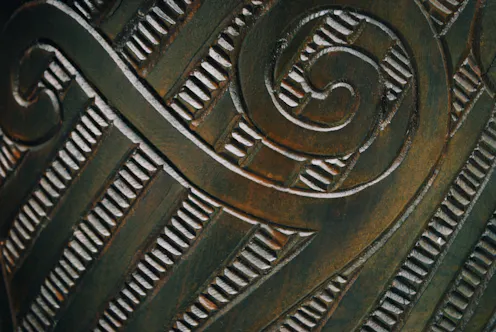
The newly signed global Treaty on Intellectual Property, Genetic Resources and Traditional Knowledge might improve the patent system, but is unlikely to improve protection of Indigenous knowledge itself.
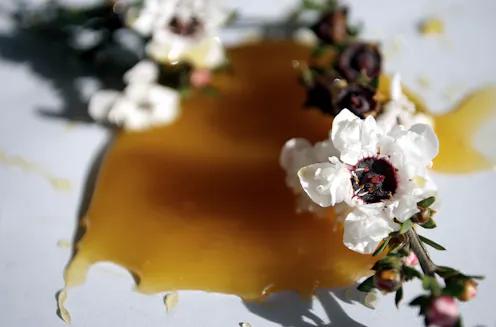
The mānuka honey trademark case shows how Aotearoa New Zealand’s law lacks substantive protections for Māori intellectual property rights.
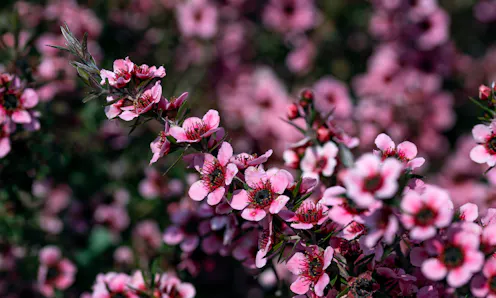
Plant breeders must now engage with kaitiaki if special relationships with a plant have been asserted. But Māori have no say on the introduction of exotic plants that could become invasive.
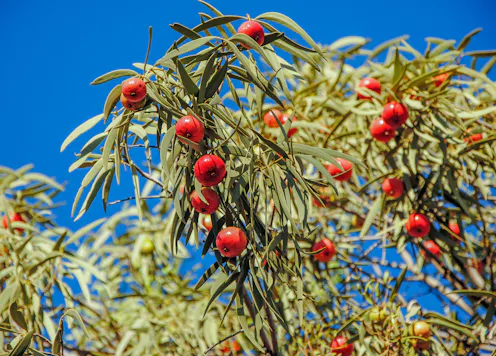
Our medicine, cosmetics and other everyday products contain compounds taken from nature. But Traditional Owners may not have given permission for the materials or their knowledge to be used.
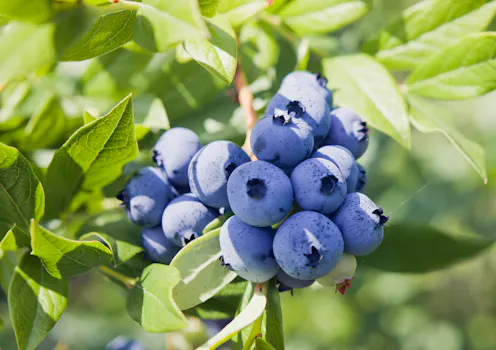
Bigger penalties for pirating plants could help encourage growers to develop new varieties.
Contact David for
- General
- Media request
- Speaking request
- Consulting / Advising
- Research collaboration
- Research supervision
- Location: Christchurch, New Zealand
- Website
- Article Feed
- ORCID
- Joined
