
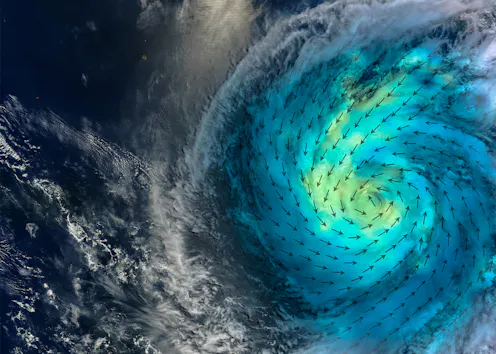
Extreme weather is already costing vulnerable island nations US$141 billion each year. How should rich nations contribute and who should pay the most?
- Senior Lecturer in Social Sciences and Public Policy, Auckland University of Technology

Biodiversity credits could unlock new funding for nature restoration. But if this happens without consideration of Indigenous data sovereignty, it could create a new form of colonialism.
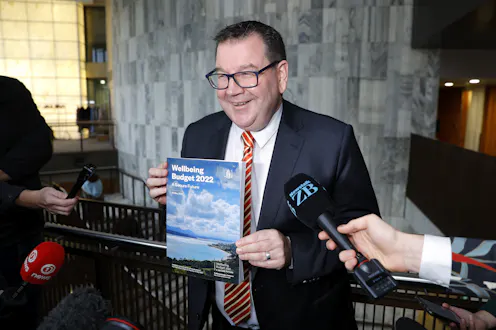
Our experts weigh up the winners and losers in a budget that had to balance an immediate cost-of-living crisis with long-term ambitions for health and climate change.
The budget will reveal some extra spending, but the Emissions Reduction Plan still treats climate change as merely a scientific, technical problem – when it has been a political problem all along.

With the world on track to blow the carbon budget for 1.5°C before the end of this decade, we must use offsetting carefully. It can no longer be a substitute for deep emissions cuts.
An emissions trading scheme is New Zealand’s main policy to tackle climate change. But to bring down emissions quickly enough, other policies will need to transform transport and agriculture.
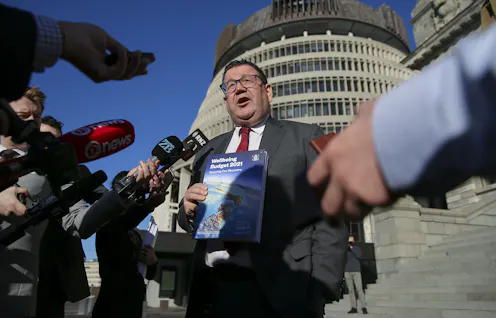
By under-promising and over-delivering, Grant Robertson has pulled off a budget that displeases the fewest people.

New Zealand recently became the first country to make climate-related financial disclosures mandatory, but it has some way to go to scale up investment in climate resilience.

New Zealand has put just over half of its NZ$50 billion pandemic stimulus towards clean energy, but several fossil fuel powered projects will slow down the country’s shift to a low-emissions economy.
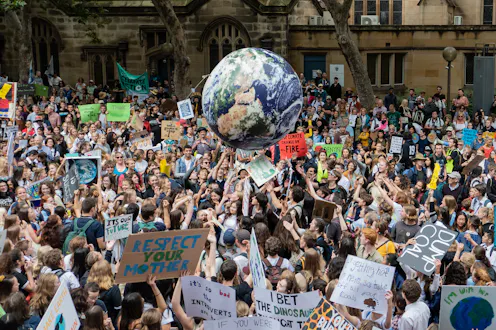
Symbolic gesture or assertion of state power? Declaring a climate ‘emergency’ walks a fine line between hopeful rhetoric and risk to democracy.
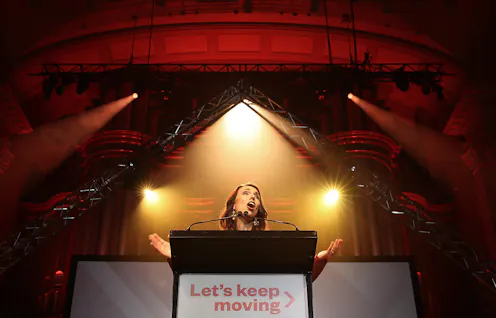
In politics, what lifts you up can drag you down. To avoid that, Jacinda Ardern’s Labour government will have to examine its political soul.
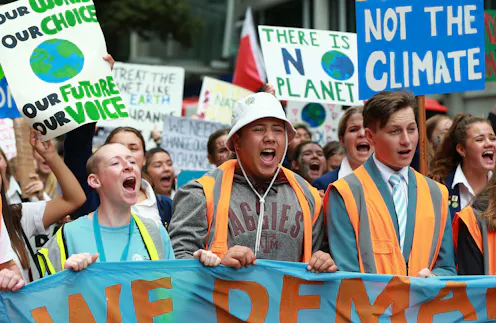
New Zealand’s climate policy is largely copied from other countries, and when judged against objectives such as the 1.5°C target, its actions remain inadequate.
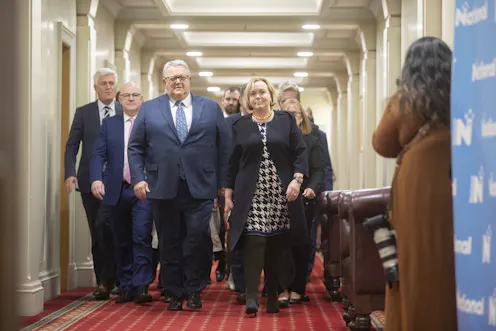
Being ‘Her Majesty’s Loyal Opposition" during a pandemic is challenging, and the risks of getting it wrong are very high.

This 2020 budget is not the pivot to a green rebuild many had hoped for. But its short-term focus on caring for people’s health leaves the door open to stronger climate action down the track.

People are more likely to deny climate change if they’re inclined toward hierarchy, have lower levels of education or are more religious. But the strongest predictor of denial is a person’s politics.
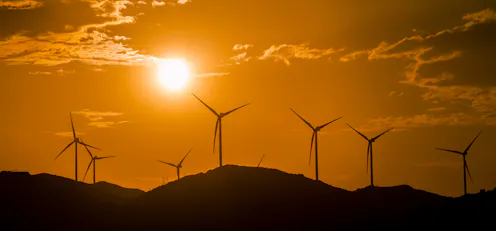
Climate change is a super-wicked problem. With a growing sense of urgency to act on climate change, it is vital we strike a balance between encouraging action and limiting pushback.

Jacinda Ardern has used the word “transformational” often during her 2017 election campaign. Now the coalition government’s well-being budget is held to that aspiration.

Planting more native forests could help mitigate the causes of climate change, but unless funding is closely tied to successful outcomes, such projects face the risk of failure.
Contact David for
- General
- Media request
- Speaking request
- Consulting / Advising
- Research collaboration
- Research supervision
- Location: Tāmaki Makaurau / Auckland
- Website
- X (formerly Twitter): @dvdjhnhll
- Article Feed
- ORCID
- Joined
