
Les maux de tête peuvent être légers et passagers ou devenir handicapants s’ils sont très intenses, mais que se passe-t-il dans notre tête dans ces moments-là ?
- Researcher, The University of Melbourne

Les scientifiques ne sont pas tous d’accord, mais cela pourrait être dû au fait que les signaux provenant du nez et des yeux arrivent dans la même zone du cerveau.

Sejujurnya, tidak ada yang benar-benar tahu. Tapi itu mungkin ada hubungannya dengan fakta bahwa sinyal dari hidung dan mata kamu tiba di area yang sama di otak kamu.

To tell you the truth, nobody really knows. But it’s probably got to do with the fact that signals from your nose and your eyes arrive in the same area of your brain.

A sigh is the brain’s way of stopping the tiny sacks in your lung from collapsing.
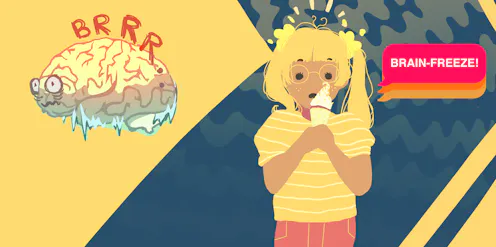
There are several different science ideas around why, but the answer may have something to do with what happens when we cool down the roof of our mouth.

The brain itself can’t actually feel pain. It can’t sense damage to itself the way your finger can. We know this because people can have brain surgery while they are totally awake.

An adult brain weighs about 1.5kg. It’s mostly water with some fat, protein, sugar and a dash of salt. Sounds like pancakes, I know, but I once tried chicken brains and, well, pancakes are tastier.

A statistical method widely used today by scientists and others is all thanks to a statistician at a Guinness brewery whose work was published anonymously more than a century ago.
Contact David for
- General
- Media request
- Speaking request
- Consulting / Advising
- Research collaboration
- Research supervision
- Location: Melbourne, Australia
- X (formerly Twitter): @aceofdaves
- Article Feed
- ORCID
- Joined
