
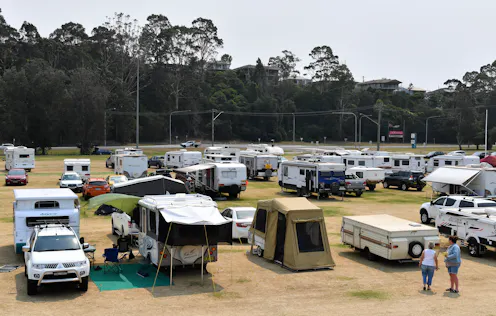
Sending holidaymakers directly into forests and national parks right in the middle of peak bushfire season is madness.
- Professor of Pyrogeography and Fire Science, University of Tasmania
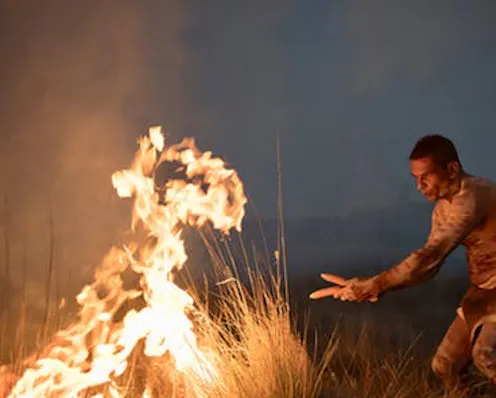
Kebakaran semakin sering dan ekstrim, sudah saatnya kita belajar pada masyarakat adat tentang api.
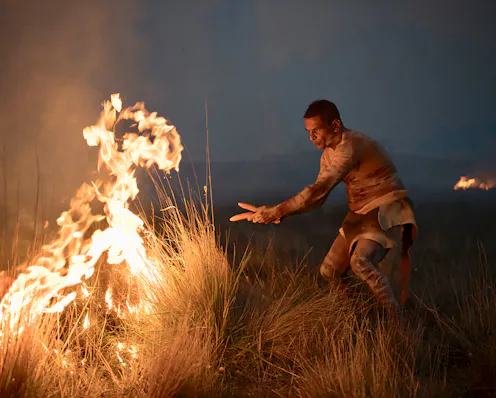
Indigenous people used small fires skilfully to prevent larger bushfires. In this time of crisis, we must learn from them.
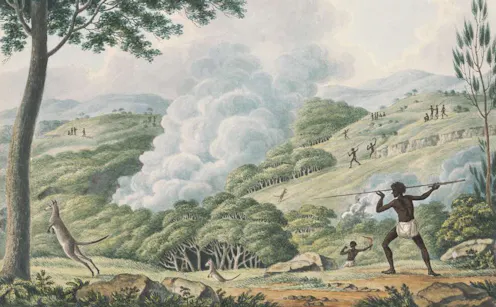
History has told us Aboriginal people in Tasmania almost exclusively occupied open plains. Revelations to the contrary could transform modern conservation.
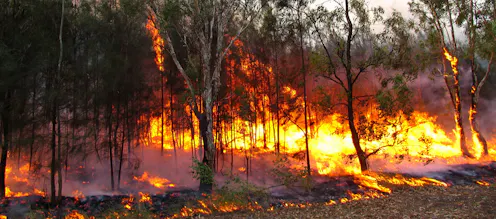
Bushfires require three key ingredients to ignite: heat, fuel and oxygen.
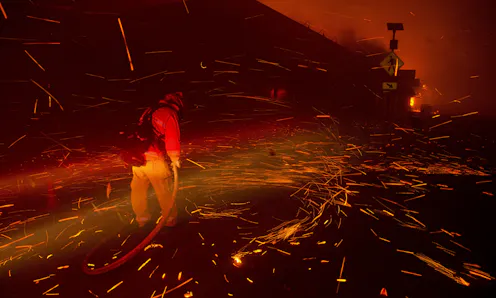
Alors que la Californie est à nouveau ravagée par des incendies d’une ampleur inégalée dans l’histoire de l’État, un changement de stratégie s’impose dans la lutte contre les feux de forêt.
The California fires are just the most recent in a series of major wildfires. Together, they suggest we need to look at alternative ways of living with fire.
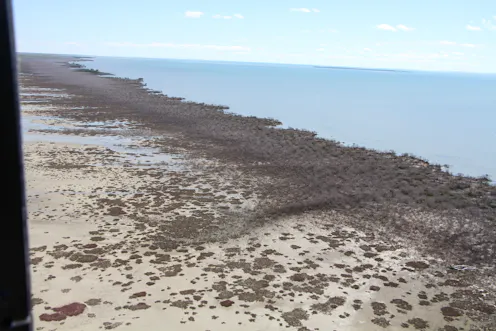
Australia has seen an unprecedented number of widespread, catastrophic transformations in response to extreme weather events.
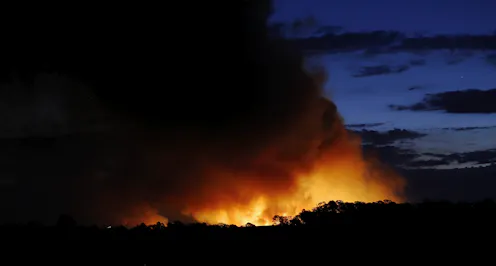
Australia’s national obsession with prescribed burning won’t be enough to manage the growing risk of devastating bushfires.
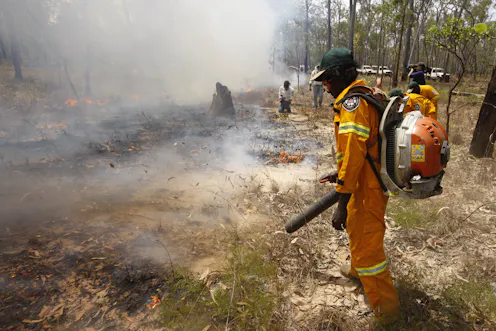
European invasion completely disrupted the way aboriginal Australians managed fire. Learning from Australia’s first people could help us fight fires in the future.
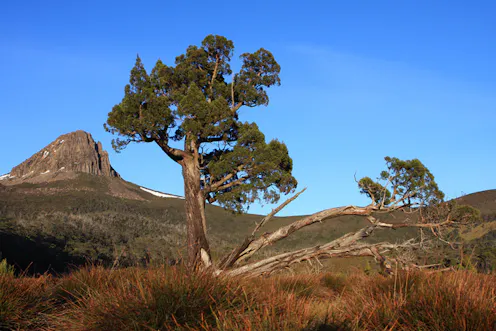
Sur l’île australienne, des incendies de brousse particulièrement nombreux et violents menacent la flore exceptionnelle des zones naturelles classées.
Bushfires are threatening Tasmania’s World Heritage area and ancient plants, warning us of a possible future under climate change.
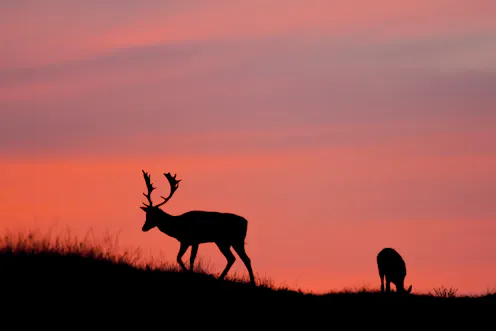
There are now six species roaming wild, and their numbers are increasing dramatically as their population expands and through human action. As they spread, they raise uncomfortable issues for conservation.
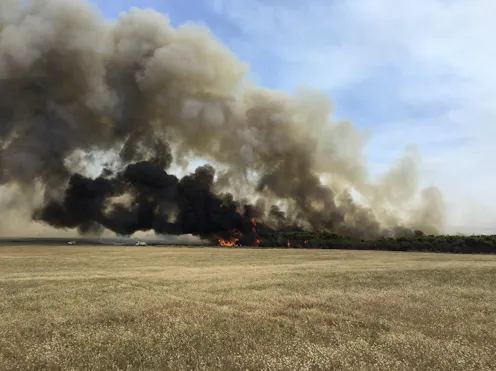
Australians are still underprepared for bushfires. And with fire seasons getting longer thanks to climate change we need to look at why people are still dying in fires, and what you can do to get prepared.
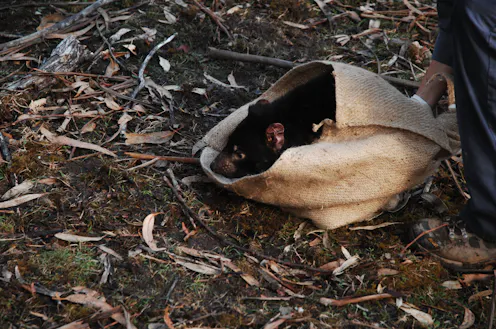
Australia is in the grip of an extinction crisis. Our unique animals, plants, and ecosystems are rapidly ebbing away in a process that began more than 200 years ago with European settlement. Feral cats…
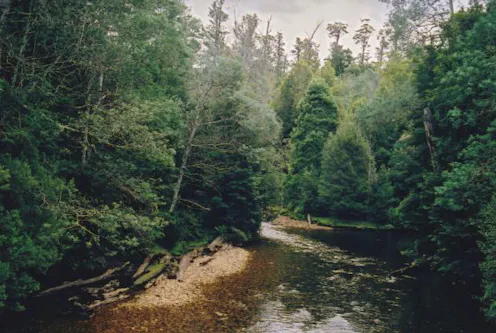
Tasmania’s government has repealed the state’s forestry “peace deal”, removing around 400,000 hectares of forests from reserves across the state and potentially leaving them open to future logging. The…
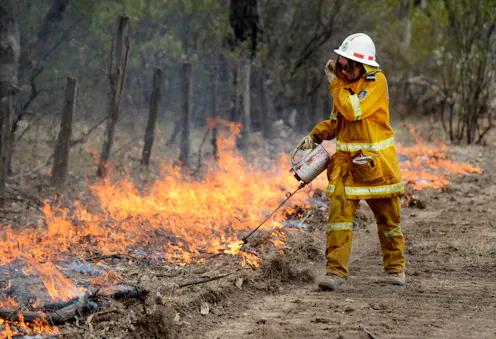
The recent surge of bushfire disasters has introduced fire-fighting tactics to everyday language. Two important approaches that use fire to fight fire are “back burning” and “fuel-reduction burning”. Unfortunately…
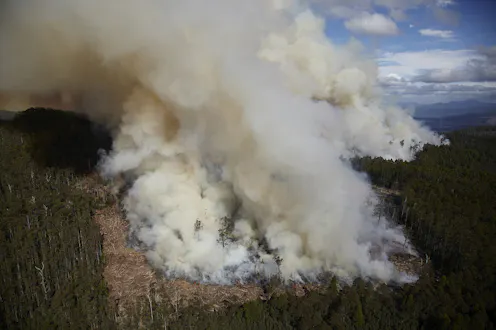
The Tasmanian forestry industry is already thinking beyond the federal and state governments’ plans to abolish the Tasmanian Forestry Agreement, which include trying to remove 74,000 hectares of forest…
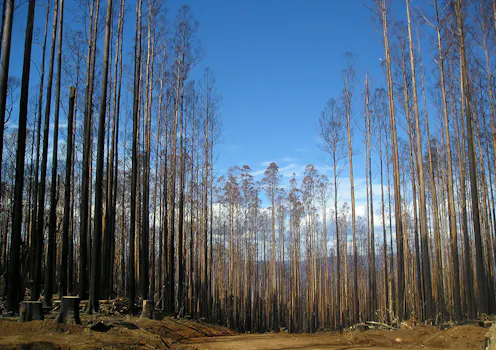
Clearing forests is one of the major contributors to carbon dioxide emissions — something we’ll need to keep in check if we’re to have any hope of mitigating climate change. Recent research suggested that…
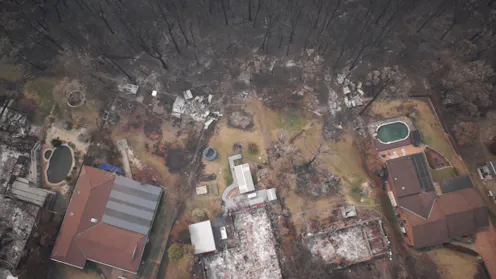
News images of traumatised homeowners huddled in front of the ashes of their homes have become increasingly familiar in recent years. But the question has to be asked - why are we so often surprised when…
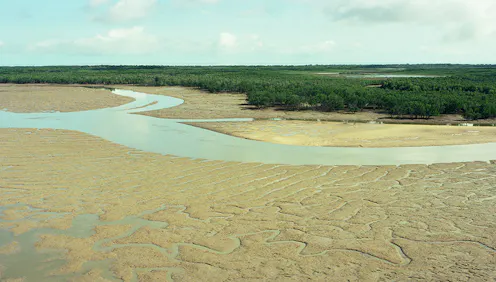
Last Saturday, toxic material leaked from the Ranger uranium mine in the Northern Territory. The mine ceased operation in 2011 after more than 30 years in action, raising the question of what happens to…
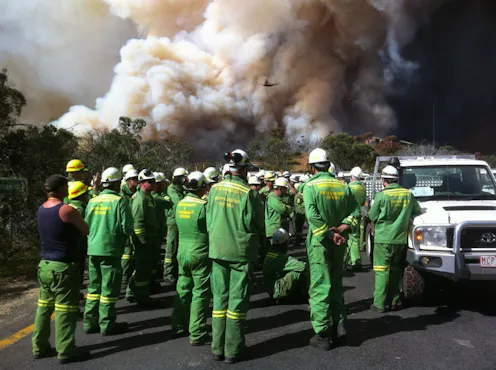
The scale and impact, both economic and ecological, of recent bushfire disasters demands a rethink of fire management strategies. A controversial approach receiving more attention internationally is the…
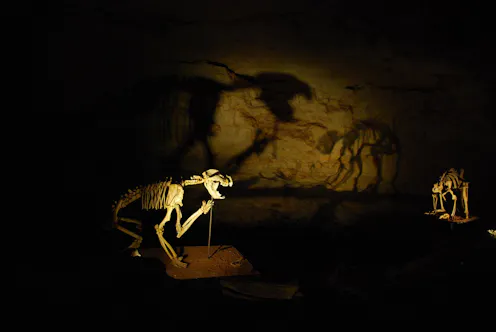
Australia was once home to gigantic reptiles, birds and marsupials, but sadly they’re no longer with us. What happened to them has been a source of ongoing debate, whether it was human hunting, climate…
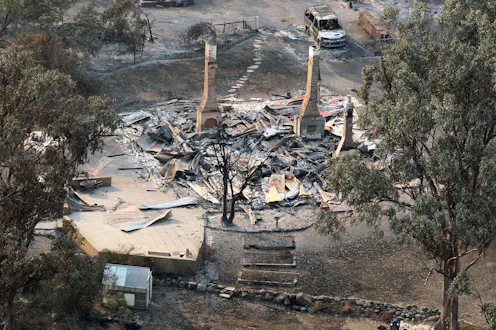
This week the Tasmanian government released its inquiry into the January 2013 bushfires that destroyed numerous properties on the Tasmanian Peninsula. A key finding is that modelling predicted fires would…
Australia has experienced its hottest September on record, as well as rewriting the records for the hottest 12-month period for the second time this year. With an average temperature of 21.95C - 2.75C…
Contact David for
- General
- Media request
- Speaking request
- Consulting / Advising
- Research collaboration
- Research supervision
- Location: Hobart, Tasmania
- Article Feed
- ORCID
- Joined
