
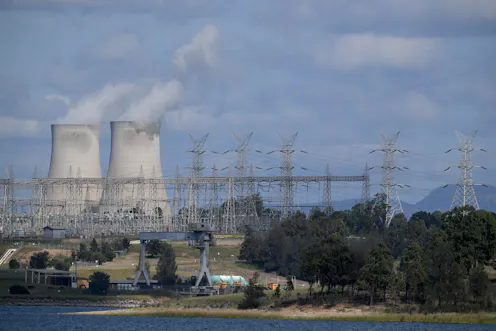
Scott Morrison’s budget speech held no surprises on energy, after months of debate over the National Energy Guarantee. The real news comes in July with the release of a crucial ACCC report on power prices.
- Energy Fellow, Grattan Institute
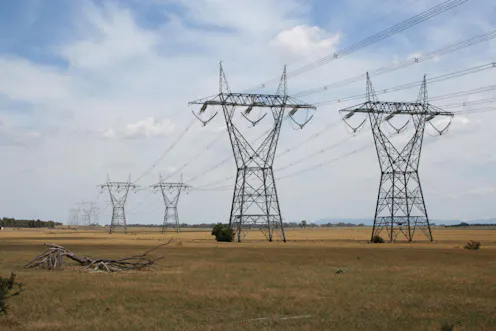
State energy ministers meet this week to discuss the National Energy Guarantee. While the policy has been criticised as too modest, it would put us light years ahead of the previous climate policy paralysis.

On Q&A, Minister for Urban Infrastructure and Cities Paul Fletcher said South Australia’s high electricity prices were “the consequence” of Jay Weatherill’s renewable energy policies. Is that right?
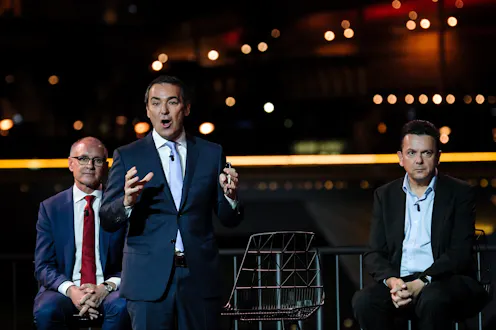
SA Liberal Party leader Steven Marshall said that state Labor policy had left South Australians with ‘the highest energy prices in Australia’ and ‘the least reliable grid’. Is that right?
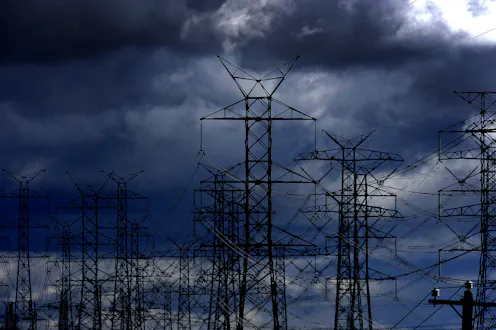
The Long Read: Most Australians’ power bills have been rising for a decade. There are many reasons why, but the common thread is a lack of government willingness to get to grips with crucial policy problems.
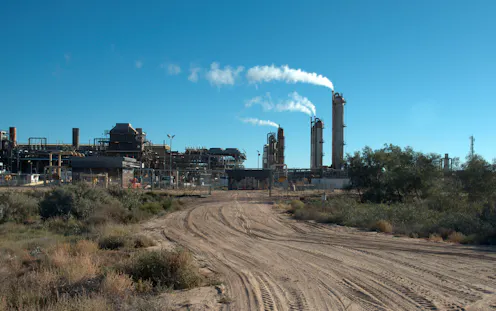
The government’s handshake deal with gas suppliers may have stopped the market plunging off a cliff, but it’s not doing much more.
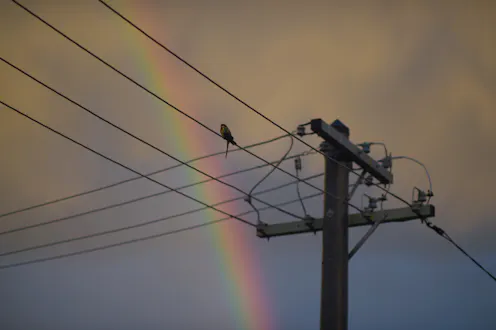
As federal and state energy ministers gather to discuss the Turnbull government’s proposed National Energy Guarantee, many of the finer details of the modelling are not yet available.
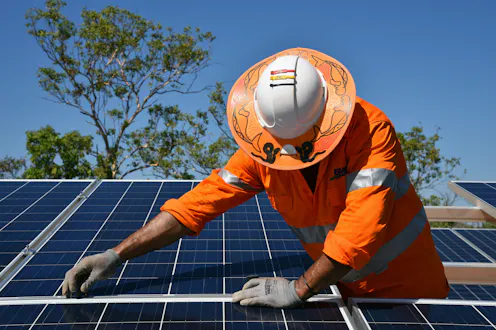
A recent report claims that Australia’s energy can reliably come from 50% renewable sources by 2030. But arguing over renewable levels distracts from a paucity of policy.
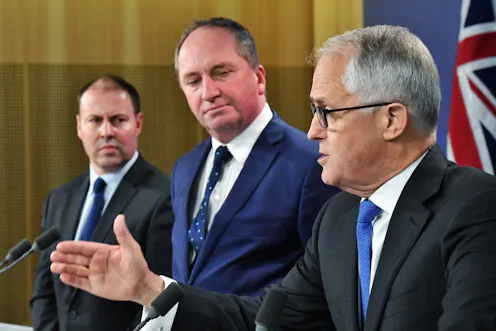
The new policy will put the onus on electricity retailers to cut emissions while guaranteeing reliability. And while the scheme isn’t perfect, it offers a rare opportunity for bipartisanship.

The energy market operator has warned of possible future electricity shortages – but only if everything stays frozen as it is now.
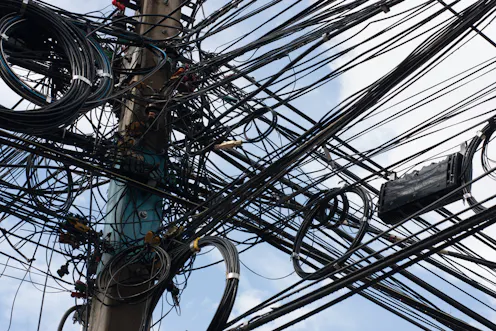
The energy market operator has released a report on the state of Australia’s electricity system. It couldn’t be blunter if it tried: the market has failed.
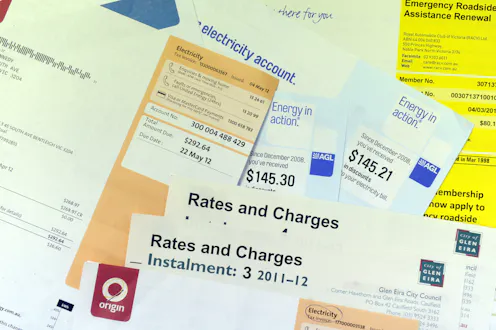
The government’s deal with electricity retailers to provide simple information to customers about their discounts and bills is a welcome step, but doesn’t cut to the heart of the power price issue.
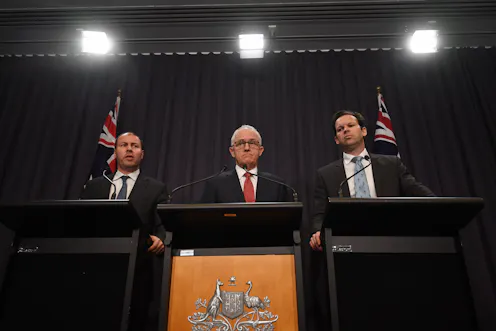
Proposals for the government to commission more “baseload” electricity generation will raise private sector concerns over Canberra’s growing willingness to intervene in a previously free market.
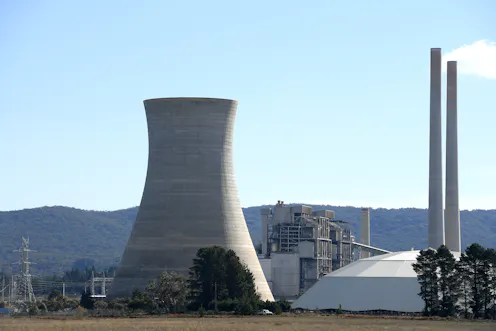
A Clean Energy Target and a swathe of measures to improve the security and reliability of the electricity grid are among the recommendations of the keenly awaited Finkel Review.
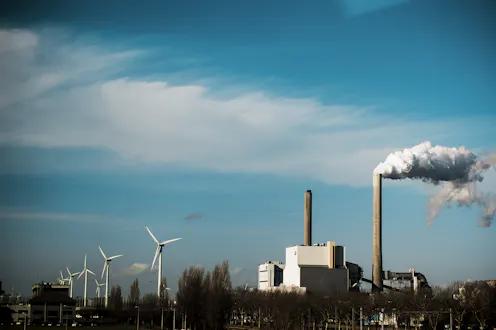
The energy security crisis has politicians leaping to unveil various schemes. But we don’t need piecemeal action – the Finkel review, due in June, aims to create a coherent new energy blueprint.
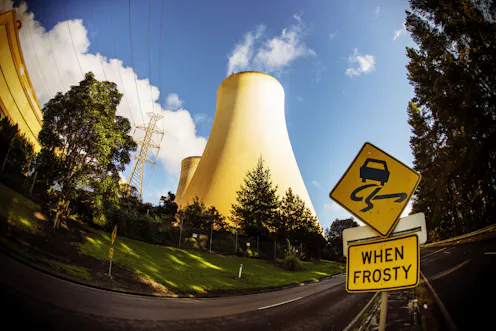
Why is everyone talking about ‘emissions intensity’ schemes this week?
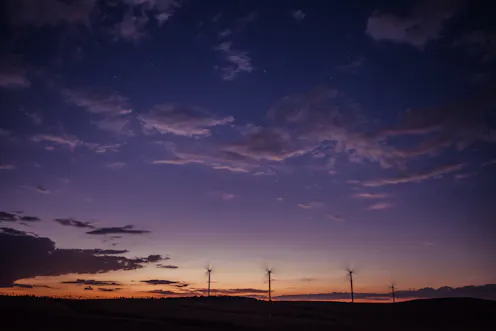
Renewable energy has had a rough time in Australia. Good climate policy could fix that.
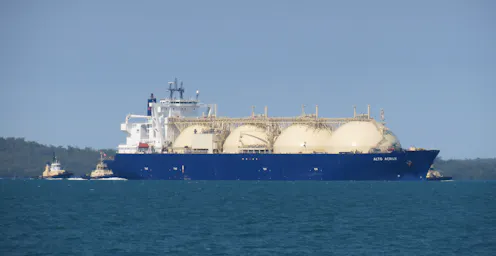
Queensland’s liquid natural gas boom, built on the back of vast reserves of coal seam gas, will bring huge gains to Australia. Exports of gas are set to quadruple by 2018, creating investment, jobs and…
Contact David for
- General
- Media request
- Speaking request
- Consulting / Advising
- Research collaboration
- Research supervision
- Website
- Article Feed
- Joined
