

Dads today are spending dramatically more time with their kids than they did a generation ago. But there’s a less encouraging trend tucked into this development.
- Professor of Psychology, USC Dornsife College of Letters, Arts and Sciences

As mães executam mais tarefas domésticas. Porém, elas também são executivas da família, fazendo mais do que pensar no futuro e atribuindo tarefas que fazem parte de todos esses afazeres - o que é uma má notícia para sua saúde mental.

Moms execute more household tasks. But they’re also family executives, doing more of the thinking ahead and assigning that are part of all those chores – bad news for their mental health.
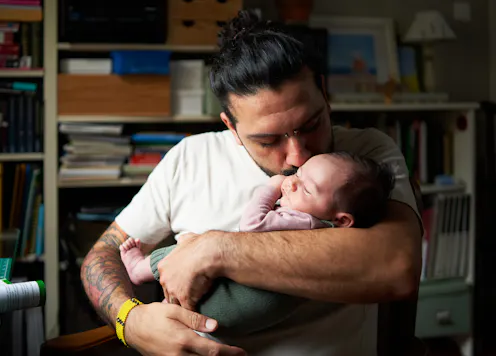
One of the first longitudinal studies of male brain changes across the transition to first-time parenthood finds that becoming a dad affects the brain – without the direct experience of pregnancy.

How you tell the story of a momentous event can help you make sense of what happened. Research finds new moms’ and dads’ narratives around childbirth held clues about their transition to parenthood.
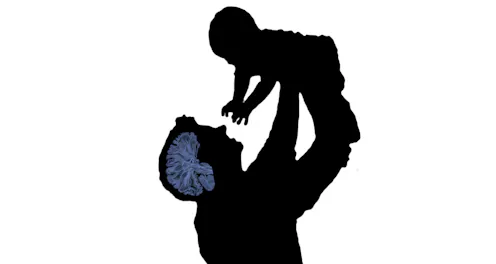
Neuroscientists know that pregnant mothers’ brains change in ways that appear to help with caring for a baby. Now researchers have identified changes in new fathers’ brains, too.

Pregnant women’s experiences can affect their babies’ health, even into adulthood. Researchers know societywide stresses can lead to these long-term consequences – and the pandemic likely fits the bill.

Breast milk contains ingredients in concentrations that change over the course of the day. Researchers think milk is chrononutrition, carrying molecular messages to help set a baby’s internal clock.

The transition to parenthood comes with plenty of stress. A psychology researcher suggests that paid family leave could help lift some of the burden – with positive health benefits down the road.

Experiencing and witnessing violence in their communities can lead to emotional, social and cognitive problems for kids. A new study shows it affects how their developing brains grow, as well.

Having a newborn can be rough, whether you’re a mom or a dad. New research ties men’s testosterone to their postpartum depression – with some surprising upsides for their partners.
Contact Darby for
- General
- Media request
- Speaking request
- Consulting / Advising
- Research collaboration
- Research supervision
- Location: Los Angeles, California, U.S.
- Website
- X (formerly Twitter): @darbysaxbe
- Article Feed
- ORCID
- Joined

