
Although it’s important that journalists practice diligence and deference, communities need to be willing to engage, forgive and voice concern.
- Professor of Journalism, Michigan State University
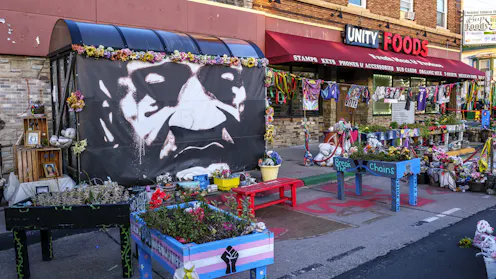
After protests over state violence, news coverage tends to focus on negative stories that can delegitimize dissent. Over time, that often yields to more nuance.
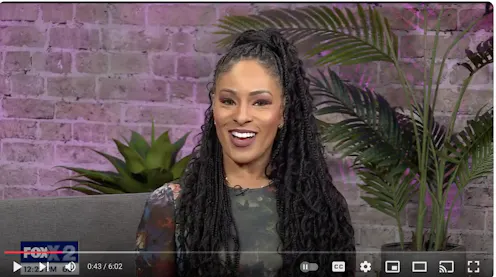
Trust in media is low, and more Americans are avoiding traditional sources of news. Instead, they are turning to social media influencers and trusted messengers in their own community.
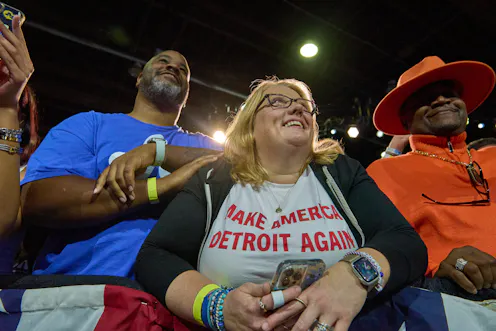
A professor of urban journalism explains what the national press has overlooked about Detroit’s grit and revival.
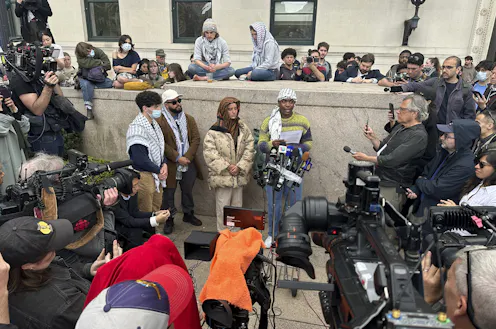
Analysis shows news stories on pro-Palestinian demonstrations at US universities spiked when they involved clashes.
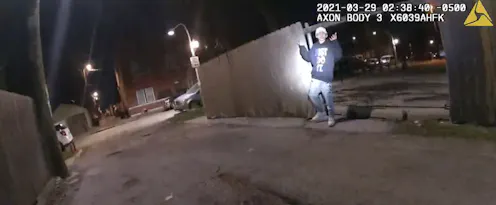
In the aftermath of Adam Toledo’s death, police and a prosecutor framed the incident as a confrontation with an armed male holding a gun. Should reporters have been so quick to accept that version?
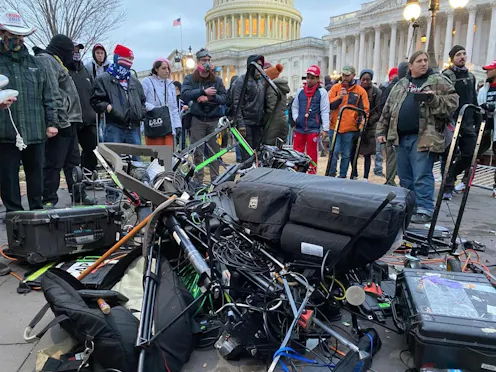
Los medios de EE.UU. suelen llamar “violentas” las manifestaciones vinculadas a los afroamericanos y “alteraciones” las de otros grupos. Esas etiquetas han modelado la opinión pública, pero el asesinato de George Floyd y los hechos del Capitolio han hecho que las principales cadenas revisen sus coberturas.
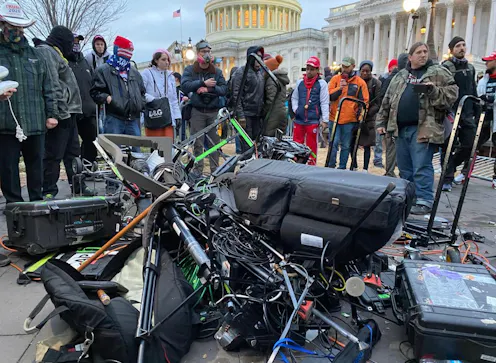
The insurrection at the Capitol was unprecedented. So too was the coverage, according to a scholar who monitors how media reports on protests
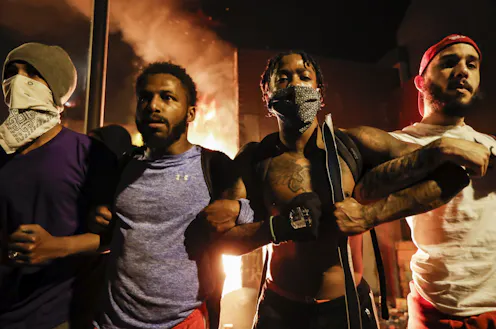
Opinions about demonstrations are formed in large part by what people read or see in the media. This gives journalists a lot of power when it comes to driving the narrative.
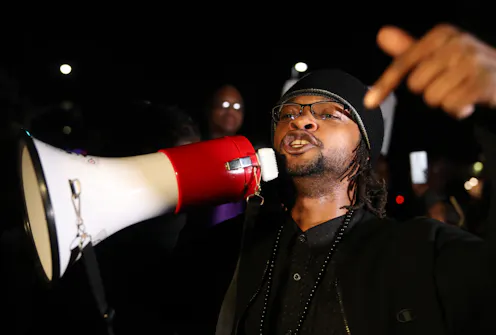
From anti-war demonstrations to the latest women’s march, 2020 is already shaping up to be a big year for protests in the US. Journalists will pick which messages get heard.
Contact Danielle for
- Media request
- Speaking request
- Consulting / Advising
- Location: East Lansing, Michigan, U.S.
- Website
- Article Feed
- ORCID
- Joined
