
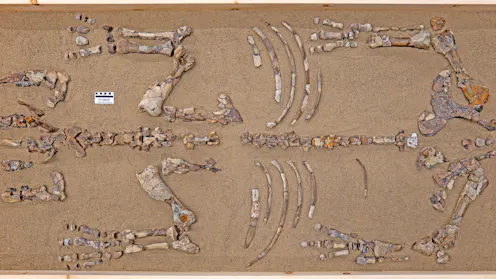
Les restes d’un ancien rhinocéros arctique indiquent que les mammifères terrestres ont traversé l’Atlantique Nord via des ponts terrestres, et ce, plus récemment qu’on ne le pensait.
- Head & Research scientist, Palaeobiology, Canadian Museum of Nature & Adjunct Research Professor, Department of Biology, Carleton University
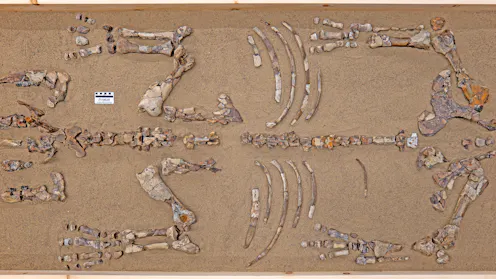
Remains of an ancient Arctic rhino indicate that land mammals traversed the North Atlantic via land bridges, and did so much more recently than previously thought.
Contact Danielle for
- General
- Media request
- Speaking request
- Consulting / Advising
- Research collaboration
- Research supervision
- Article Feed
- Joined
