Daniel Eisenkraft Klein

The Ontario government is closing supervised drug consumption sites throughout Ontario. Ontario Premier Doug Ford, seen here in the Legislature during Question Period on March 24, 2026, has called the sites a failed experiment, but the evidence is mixed. THE CANADIAN PRESS/Frank Gunn 

Ontario is closing its supervised consumption sites, calling them a failure. So what counts as ‘success?’

Supervised consumption sites have real shortcomings. But the government’s case for closing them relies on a narrow definition of success and abandons the people the sites were designed to reach.
A store selling psychedelics in Windsor, Ont. Recent police raids on psychedelics stores in Vancouver reflect misplaced attitudes toward drug regulation. (Shutterstock)

Raids on magic mushroom dispensaries are a knee‑jerk reaction, but taking a blind‑eye approach only allows the market to run wild

Psychedelics are an opportunity to do better than our past drug control strategies. Adults should be trusted to make the right decisions, but policymakers should ensure they do so fully informed.
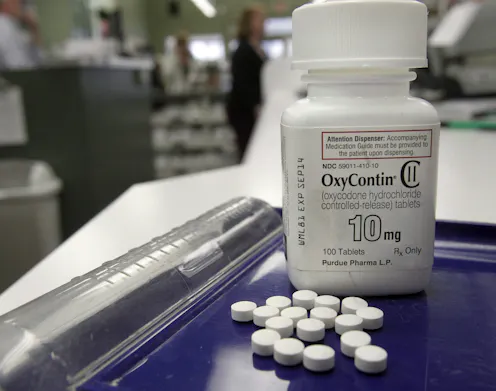
OxyContin, an opioid drug heavily marketed by Purdue Pharma, is associated with billions of dollars of health-care costs in Canada related to the opioid crisis. (AP Photo/Toby Talbot)

$150M is not enough: Canada’s proposed Purdue Pharma settlement for opioid damages is paltry and won’t prevent future crises

The Purdue Pharma settlement is paltry compared to costs of the opioid crisis. Without major changes to pharma industry regulation, there is little reason to think a similar crisis won’t occur again.

Contact Daniel for

  • General
  • Media request
  • Speaking request
  • Consulting / Advising
  • Research collaboration