

The new federal law favors energy technologies that are already profitable and increase global warming over cleaner approaches that could use the investment support.
- Professor of Civil and Environmental Engineering, Rice University

Some technologies could rapidly cut emissions, while others do little to fight climate change. The House bill favors the latter while nixing support for the former.
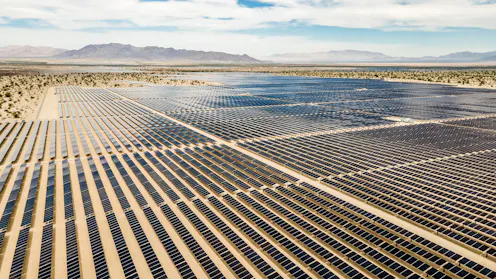
Vice President Kamala Harris has strongly supported clean energy investments, while Donald Trump has railed against them. But transformative shifts in the energy landscape already are well underway.

Reducing particle pollution can save thousands of lives, but states need more data to inform better controls. An atmospheric scientist explains what data and actions are needed.
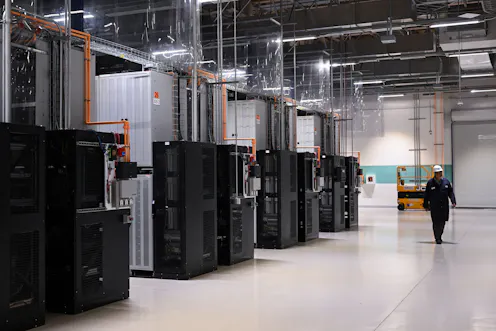
Some power plants don’t have massive smokestacks or cooling towers – or even a central site.

Energy companies have marketed natural gas as cooks’ favorite for years because homes with gas hookups will also use it for space and water heating.
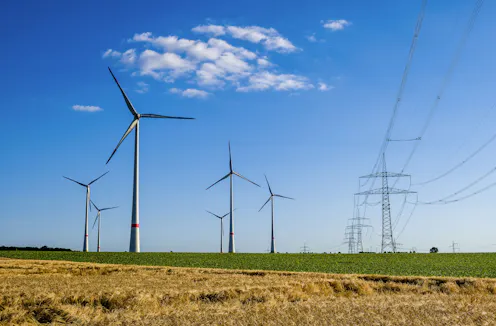
To put the $370 billion in subsidies to work, the US needs to build new infrastructure and manage a lot of regulatory hurdles.
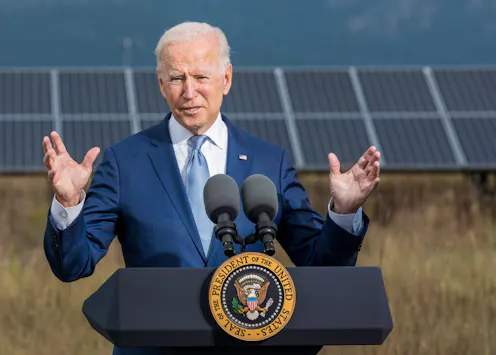
Other presidents used the Defense Production Act to boost fossil fuel supplies. Biden is now using it to boost clean energy. But just ramping up production isn’t enough to succeed.

From Nairobi to Los Angeles, pandemic lockdowns have cleared pollution from the skies. But those blue vistas may be temporary, and shutdowns aren’t slowing climate change.
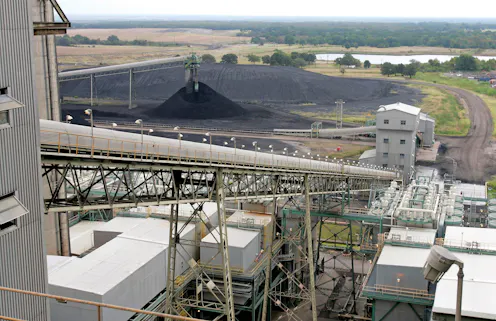
A study of the social cost of carbon emitted by the shrinking fleet of Texan coal plants suggests that closing more of them down would be good for the climate and public health.
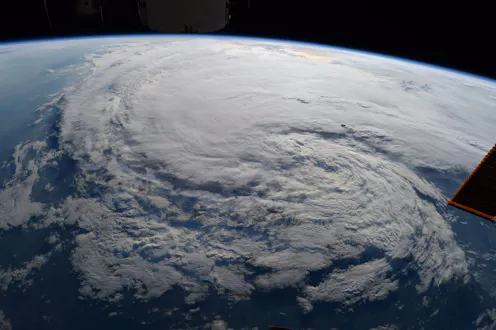
Three atmospheric scientists from Texas say Hurricane Harvey shows how the country needs to adapt to the effects of climate change and cut carbon emissions.
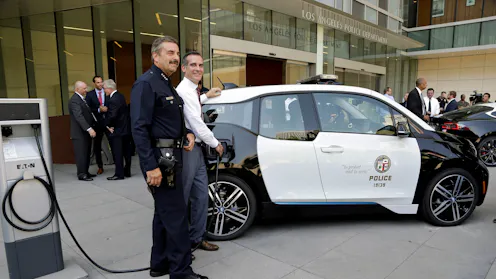
More than 200 mayors have committed their cities to stick with the Paris climate deal no matter what the US does. Electric vehicles offer a promising route to making good on that pledge.

U.S. states need to put in place new ozone air quality standards, but how they are measured – based on peak ozone – doesn’t always best reflect a city’s overall air quality.
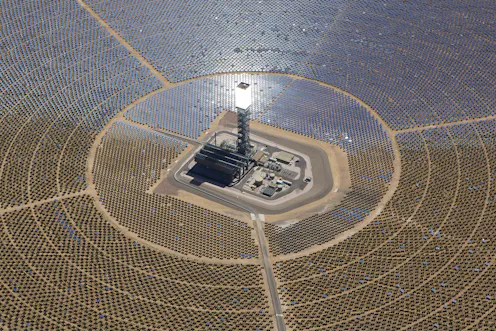
The massive Ivanpah solar power plant uses natural gas – even more than it expected last year. It’s not ideal, but solar power and natural gas are a powerful, and relatively ‘green,’ combination.
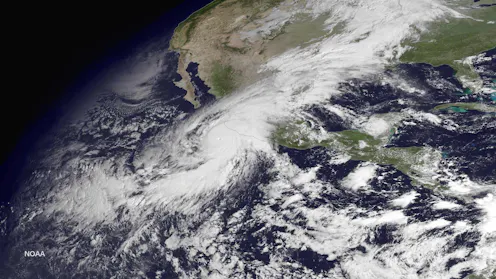
False complacency: Hurricane Patricia didn’t devastate Mexico as feared, but provides more evidence that warming waters raise the chances of more intense storms.
Contact Daniel for
- General
- Media request
- Speaking request
- Consulting / Advising
- Research collaboration
- Research supervision
- Location: Houston, Texas, U.S.
- Website
- X (formerly Twitter): @cohan_ds
- Article Feed
- ORCID
- Joined
