
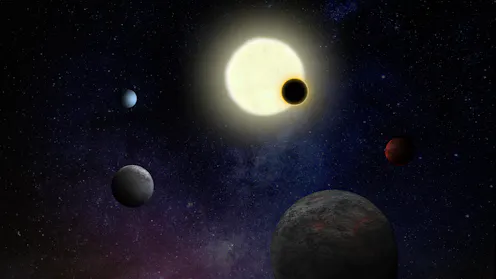
As descobertas do Pandora complementarão os dados do Telescópio Espacial James Webb, proporcionando aos astrônomos mais informações sobre estrelas e planetas fora do nosso Sistema Solar.
- Associate Dean for Research and Professor of Astronomy and Planetary Sciences, University of Arizona
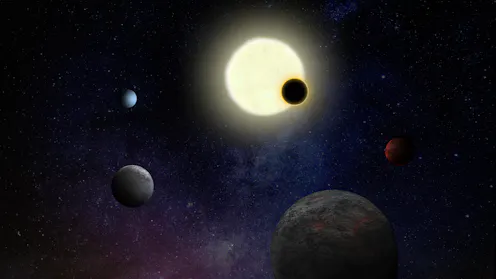
The findings from Pandora will complement data from the James Webb Space Telescope to give astronomers more insight into stars and planets outside our solar system.
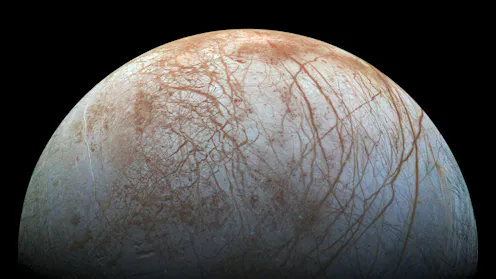
As NASA rolls out more powerful telescopes in the future, scientists will need a way to determine where to point them. A new approach could help.
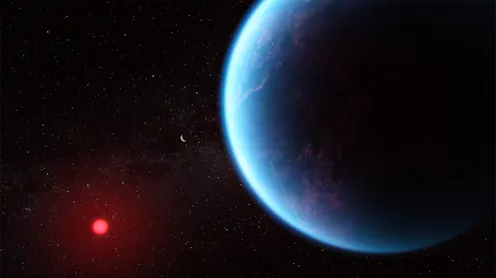
The exoplanet K2-18b could harbor a massive ocean, but scientists will need to study the planet more to see if it’s really likely to host life.
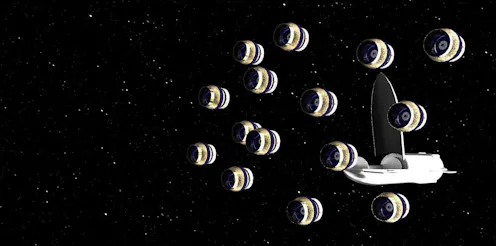
Space telescopes are limited in size due to the difficulties and cost of getting into orbit. By revamping an old optical technology, researchers are working on a lightweight and thin telescope design.
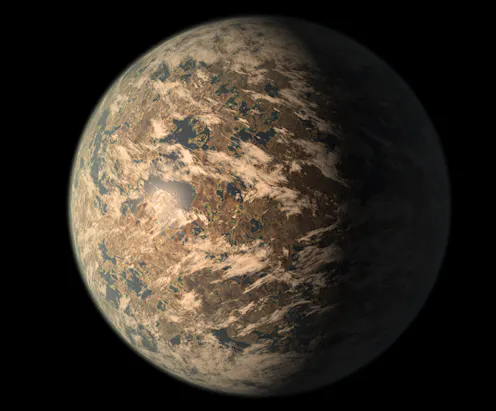
Life on Earth has dramatically changed the chemistry of the planet. Astronomers will measure light that bounces off distant planets to look for similar clues that they host life.
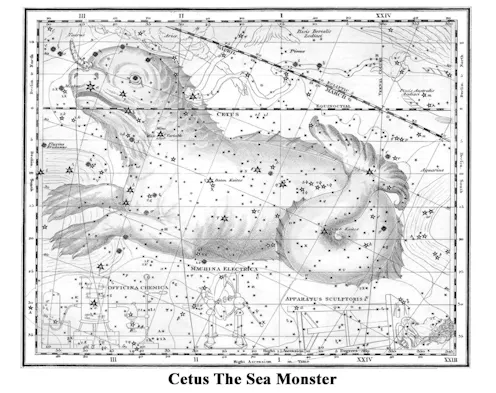
New mathematical technique enables astronomers to predict the whereabouts of missing worlds around nearby stars.

Beyond the outer edge of the Solar System, mysterious, unknown worlds await by the thousands. Astronomers can now finally find them and explore them - but will we find another Earth?
Contact Daniel for
- General
- Media request
- Speaking request
- Consulting / Advising
- Research collaboration
- Research supervision
- Location: Tucson, Arizona, U.S.
- Website
- BlueSky: @danielapai.bsky.social
- Facebook: daniel.apai
- LinkedIn: danielapai
- X (formerly Twitter): @danielapai
- Article Feed
- ORCID
- Joined
