

There is little evidence that pads alone will keep girls in school – stigma, lack of appropriate infrastructure, and embarrassment need to be dealt with too.
- Senior Lecturer in Global Health, The University of Western Australia
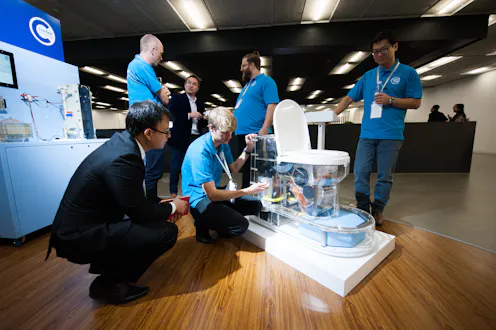
There are numerous examples of failed aid projects, where sanitation systems have been installed without consulting local people, then abandoned by the community after the project team has departed.
More than half of the global population do not have safe sanitation. What is the best way to go about changing this?

Incontinence is frighteningly common.
When Australia joins the 71st UN General Assembly, it will reflect on its progress towards the Sustainable Development Goals. But where do we start to achieve these complex and interlinked ambitions?
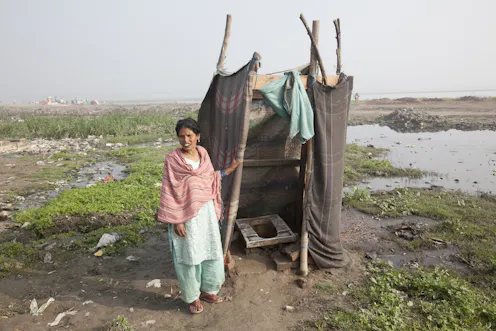
Indian prime minister Narendra Modi has wowed audiences in Australia during his recent visit and used the occasion to remind people of his plan to provide a toilet at home for all Indians by 2019. The…
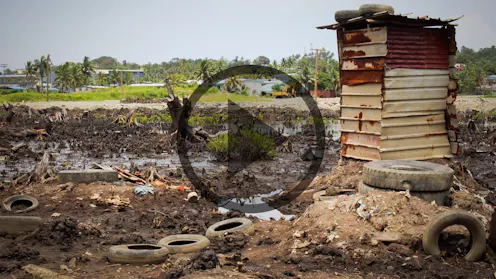
In this episode of TCTV, water sanitation and hygiene engineer Dani Barrington explains the importance of toilets and community-led approaches to sanitation for one-third of the world’s population who…
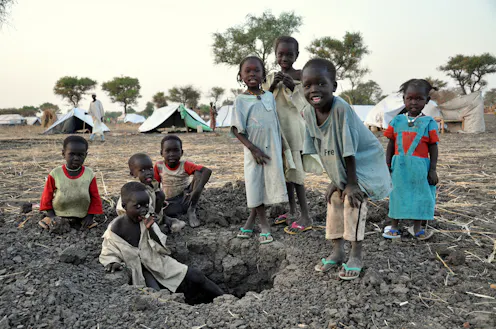
Why does one third of the world’s population have inadequate sanitation? Hopefully I can shed a bit of light on this. You see, my work is shit – literally – which is why I call myself a water, sanitation…
Contact Dani for
- General
- Media request
- Speaking request
- Consulting / Advising
- Research collaboration
- Location: Perth, Australia
- Website
- Article Feed
- ORCID
- Joined
