
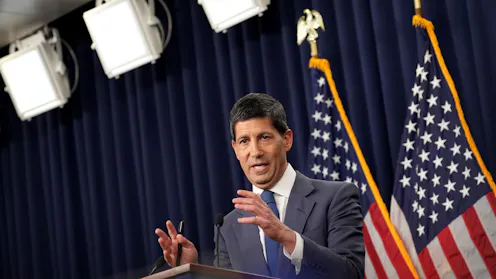
Fresh off a divided Fed vote to hold rates, policymakers confront a deeper question: Which of conflicting inflation gauges should guide them?
- Associate Professor of Finance, Mississippi State University

Corporate layoffs cause confusion about a business’s future, but there’s a way for investors and employees alike to see if downsizing could lead to profitability.
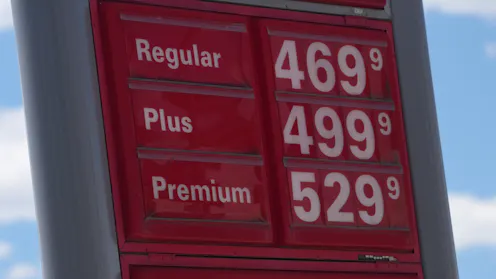
A key challenge for the Federal Reserve is that higher gas prices are inflationary, but they also reduce households’ spending power and dampen growth.
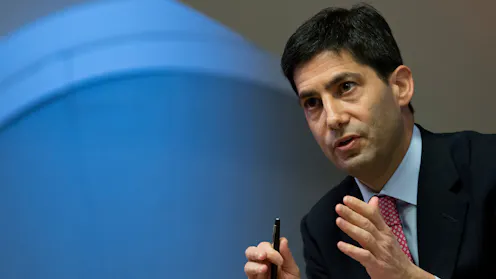
Trump’s pick to helm the Fed is well known in the financial world, but his monetary policy views have evolved to align more with the president’s desire for lower rates.
As 2026 begins, uncertainty is at the top of everyone’s mind.
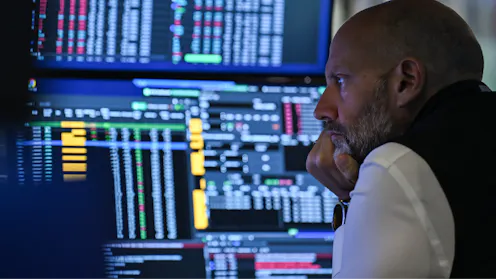
Statistics shows data is often grouped on a bell curve distribution, but a business study reveals that extreme outliers can skew research – with big implications.
‘Forecasting is for the weather,’ economists say. But it can be fun anyway.

Some indictments have a bright side. Really.
The 6-3 Supreme Court ruling could create new risks for unwary investors – and a new reason for them to invest in index funds.

Dos importantes indicadores de inflación evolucionan en direcciones distintas. ¿Qué ocurre?

Two important inflation indicators are trending in different directions. What gives?
And will the vibecession ever end?

The downfall of the onetime multibillionaire holds lessons for investors and regulators alike.

News of a soft landing may be premature.
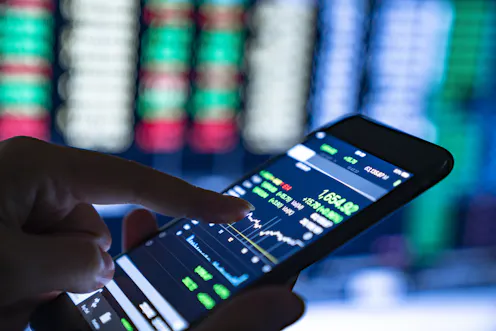
Executives and other high-level inside traders at US companies with global sales earned about three times as much in a month as the average investor, a new study found.

Trends show credit scores are rising, with nearly half of all US consumers boasting ‘very good’ or ‘excellent’ numbers.

Concerns about a decline in lending to small businesses are growing as the Fed raised rates for the 10th time in a little over a year.
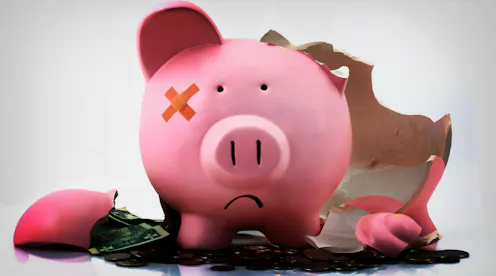
The Fed, Treasury and FDIC acted swiftly to protect depositors and stem any panic, but anxiety continues to grow about the state of the global financial system.

The retailer has spent nearly $12 billion buying back its own stock since 2005, money that could have been used to invest in its business.
Although many say the economic outlook for next year appears bleak, there is room for optimism.

The cost of borrowing for a home has fallen in recent months, despite repeated increases of the benchmark interest rate. An economist explains the seeming paradox.
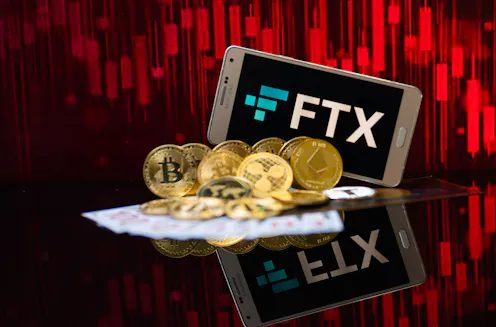
Even though some traditional financial firms parked millions in the bankrupt company – once valued at $30 billion – the impact of FTX’s spectacular crash is limited to crypto investors
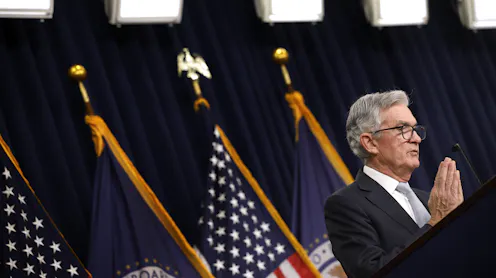
The Fed is also beginning to reduce its massive balance sheet, which is beginning to cause disruptions in the $24 trillion Treasury market.

The Fed’s recent rate hikes are contributing to higher prices and growing recession risks around the world, yet there are good reasons why the US central bank has to keep its focus domestic.

The US economy shrank for a second straight quarter. While some call that a recession or a strong sign of one, a financial economist explains why the term probably doesn’t yet apply.
Contact D. for
- General
- Media request
- Speaking request
- Consulting / Advising
- Research collaboration
- Research supervision
- Location: Starkville, Mississippi, U.S.
- Website
- BlueSky: @dbblank.bsky.social
- Facebook: dbblank
- Instagram: dbrianblank
- LinkedIn: brian-blank
- Mastodon: @dbrianblank@mastodon.social
- X (formerly Twitter): @finprofblank
- Article Feed
- ORCID
- Joined
