

Expanding freeway networks undermines climate action. It points to a deep-seated flaw in Australia’s urban planning systems which must be solved.
- Associate Professor of Urban Planning, The University of Melbourne

A bid to amend plans for the final stage of the Barangaroo project would once again favour developers’ interests over the public interest. It shows how badly the planning process has been undermined.
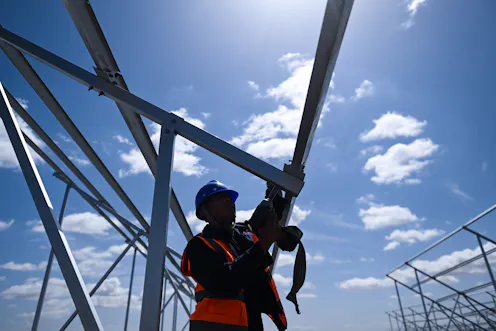
Governments embraced shovel ready projects during the pandemic as a way to stimulate the economy. But the potential for real transformation was lost in the rush to build.
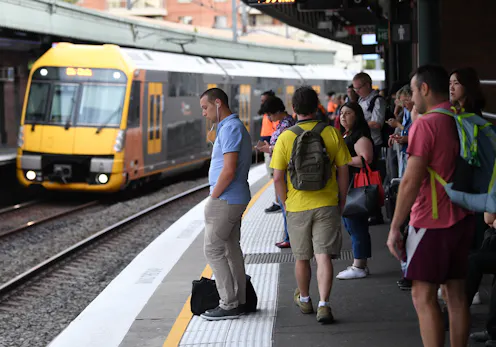
The states are primarily responsible for providing infrastructure, but lack the budgets, especially since the pandemic hit revenues. Making up the shortfall depends very much on the Commonwealth.
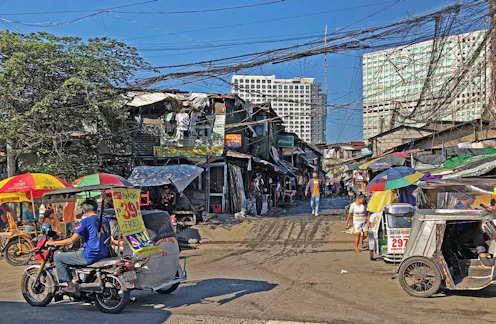
Besides battling the coronavirus pandemic, San Roque residents have long been locked in a bigger struggle for their very survival as a community in the face of home demolitions and relocations.
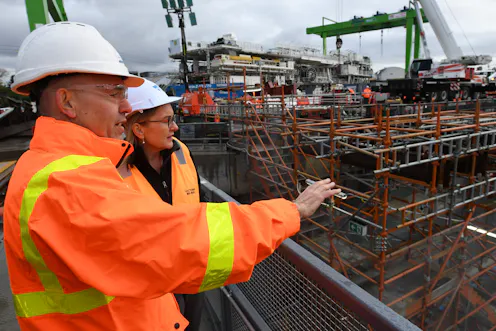
States across Australia are increasingly using market-led proposals to build infrastructure. The emerging problems reflect the inherent risks of projects that bypass proper public planning processes.
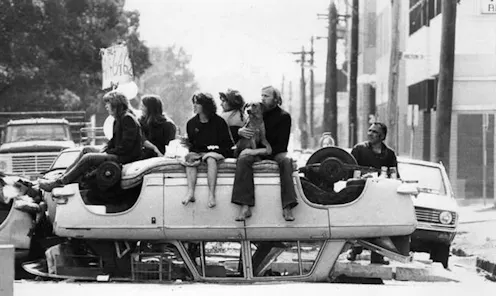
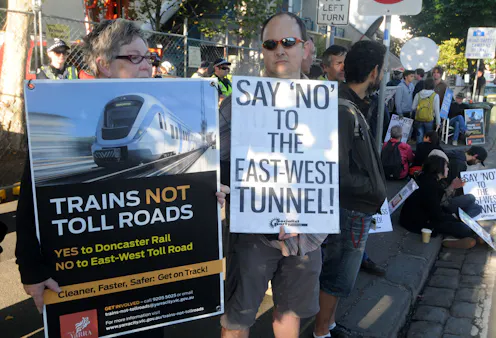
Public protests eventually forced the scrapping of some proposed freeways in 1973. Today, we have another round of projects and people are protesting again, with good reason. Government should listen.
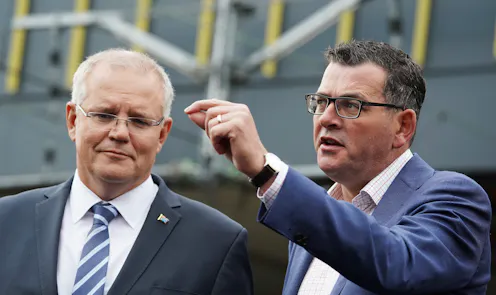
Unsolicited market proposals are not transparently assessed. Infrastructure should be built to serve the public interest, not shaped by its private backers, but the checks to ensure this are broken.
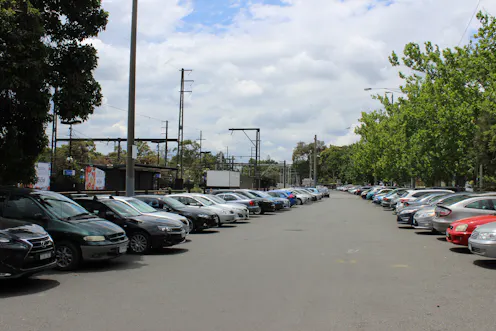
The Commuter Car Park Fund announced in the budget sounds big, but is likely to create only around 30,000 extra spaces – a marginal benefit for Australia’s 1.2 million daily public transport users.
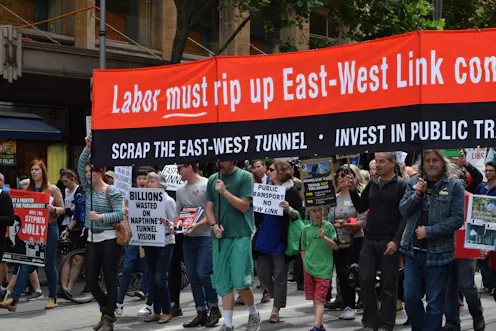
We need to consider why transport infrastructure is so controversial, and how politicians can ensure they have the public’s trust when making announcements for all transport projects.

Analysis of the business cases for three of the biggest projects deemed “high priority” by Infrastructure Australia raises questions about the process.
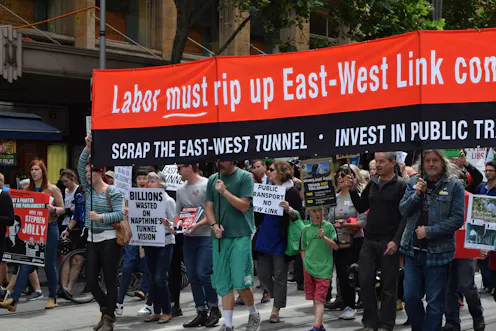
Transport infrastructure has such an impact on what kind of city we become that more democratic planning is long overdue. But public consultation is typically limited and focused on design issues.

Recent decisions to proceed with major road projects have not considered viable alternatives, despite this being a legal requirement.
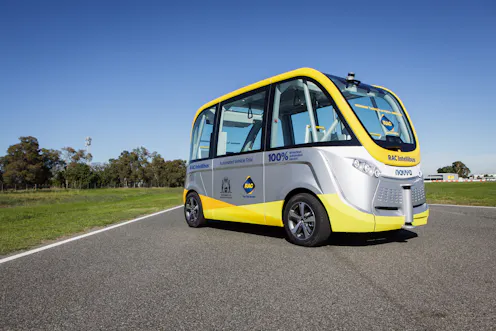
There’s every chance that, if mismanaged, driverless vehicle technologies will entrench the ills of car dependency.
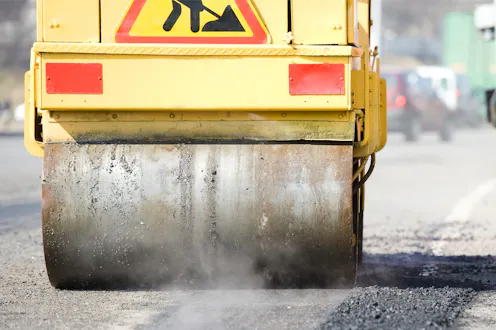
Politicised transport projects that flout proper process lead to hostility between residents and governments, and give planners a bad name.
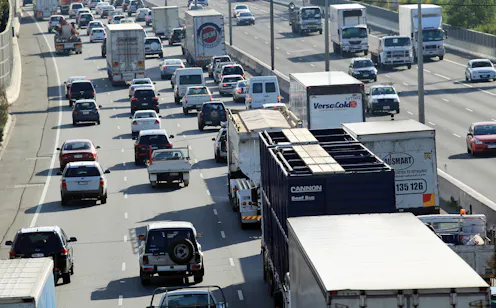
Most enlightened governments have realised the focus on private cars at the expense of active and public transport is not viable.
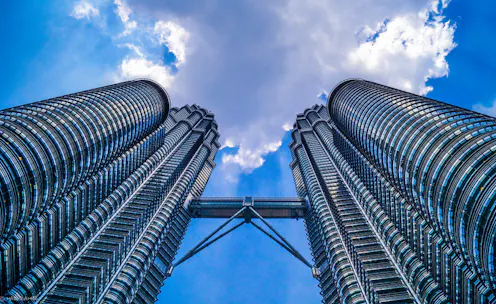
Like a 5D movie on speed, the city today defies conventional boundaries. This raises new questions about what we imagine to be ‘the city’ – and how we as a democratic community can shape it.
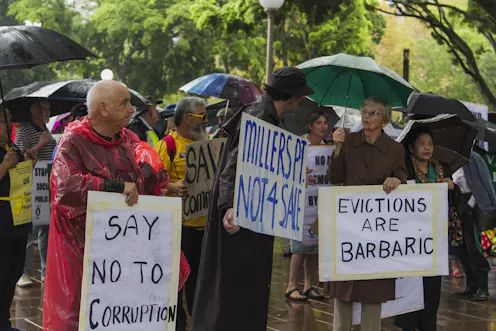
Cities are home to many different people who will not always agree. We need to learn to embrace public debate as an ongoing, constructive process for working through diverse views and values.
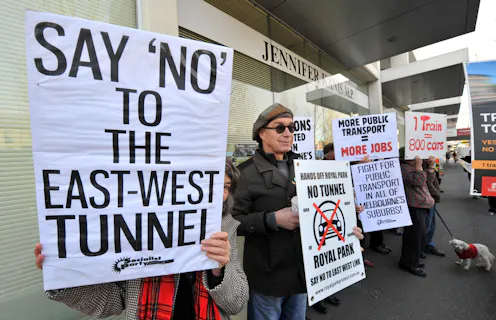
Communities want urban policy to deliver the right projects at the right time in the right place. Governments should embrace local citizens and interest groups as key players in crafting such policy.
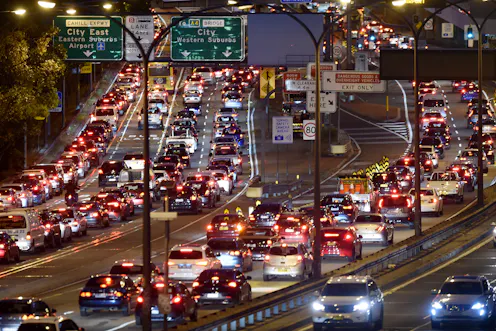
Australia's transport infrastructure needs urgent upgrades. But with governments willing to fund only one or two major projects, how do we decide which infrastructure project to prioritise?
Australia does not have a national cities policy. But in committing funding to transport infrastructure, the federal government is significantly shaping Australian cities. Local government and community-based…
Contact Crystal for
- General
- Media request
- Speaking request
- Consulting / Advising
- Research collaboration
- Research supervision
- Location: Melbourne
- Website
- X (formerly Twitter): @CrystalLegacy1
- Article Feed
- ORCID
- Joined
