

New research shows tides influence how ocean heat is transported under Antarctica’s floating ice shelves, changing the energy available to melt the ice from below.
- Professor in Ocean Physics, University of Auckland, Waipapa Taumata Rau
- Senior scientist, Earth Sciences New Zealand

The oil shocks of the 1970s spurred marine energy innovation. Fifty years on, New Zealand still has vast untapped ocean power waiting to be harnessed.

A four-year record from the heart of the Ross Ice Shelf shows how subtle changes could shape future sea level rise, ocean ecosystems – and even our weather.

Ocean warming seems the main driver of Antarctica’s sea-ice loss. But as satellites show, the change is not universal and sea ice persists in East Antarctica and the Weddell Sea.
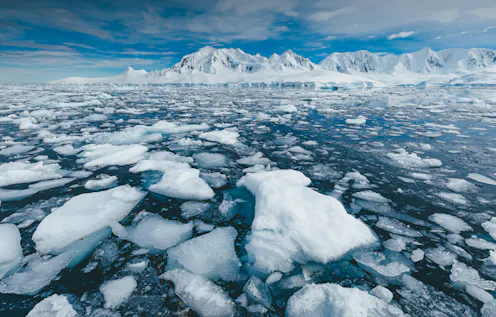
The rapid changes in the Southern Ocean and Antarctica highlight the urgency of better direct observations and measurements, beyond satellite monitoring and modelling.

The world’s oceans regulate our climate, but they are entering uncharted territory, with record surface warming and changes to Antarctica’s deep meltwater which drives global currents.
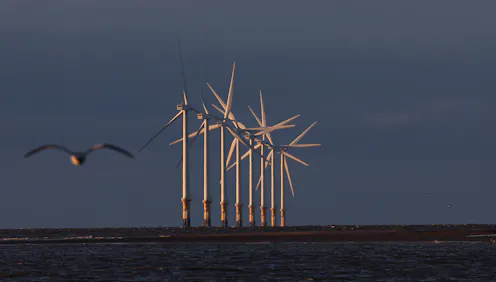
Building offshore wind farms is complex and expensive. But with plenty of wind coming in from the sea, New Zealand could harness the renewable resource as it aims to decarbonise the energy sector.
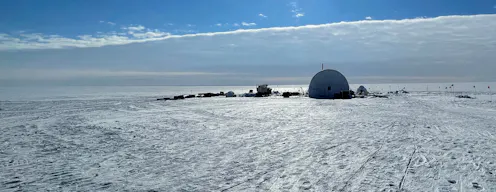
Researchers have surveyed an Antarctic under-ice river for the first time directly, and their observations support the idea that such sub-glacial rivers form estuaries as they flow into the ocean.

Ocean waves are a massive source of energy, but it’s challenging to design power generators for the harsh environment. Allowing marine organisms to grow on engineered structures could help.
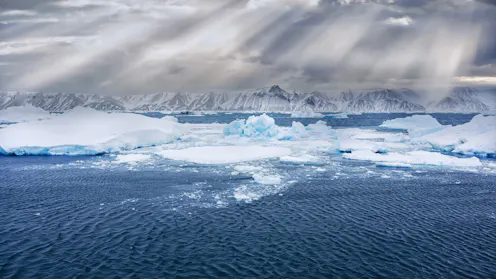
L’océan Austral constitue le principal réservoir de chaleur et de carbone de notre planète. Il abrite des formes de vie extraordinaires, des invertébrés microscopiques aux gigantesques baleines.

Lautan Selatan (Antarktika) merupakan penyimpanan utama panas dan karbon di Bumi, serta rumah bagi kehidupan laut yang menakjubkan seperti penguin, alga, dan paus.
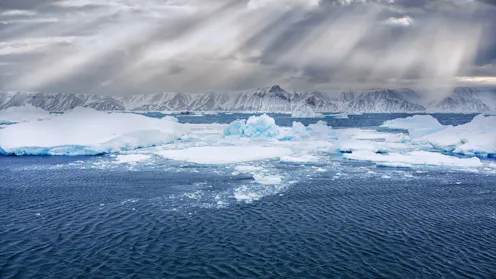
El Océano Austral (Antártico) es el principal almacén de calor y carbono de nuestro planeta, y es hogar de extraordinarias formas de vida, desde pequeñas algas y criaturas sin espinas hasta pingüinos, focas y ballenas.

The Southern (Antarctic) Ocean is our planet’s primary storage of heat and carbon, and it’s home to extraordinary life forms, from tiny algae and spineless creatures to penguins, seals and whales.

Latest research explores how a warming ocean circulates underneath Antarctica’s floating ice shelves and how this contributes to future sea level rise.
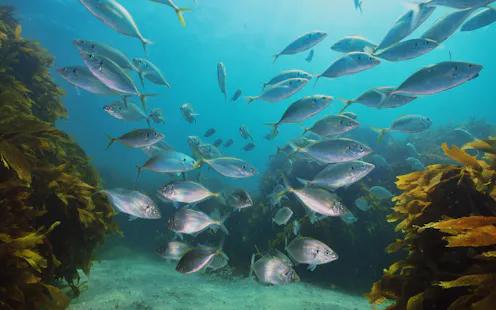
Marine heatwaves may become the new normal for the Tasman Sea and the ocean around New Zealand, and oceanographers are developing models to better predict their intensity.

An international team has melted a hole through Antarctica’s largest ice shelf to explore the hidden ocean below, and the shelf’s vulnerability to climate change.

When artists and scientists get together, they fuel each other’s creativity and inquiry.
Contact Craig for
- General
- Media request
- Speaking request
- Consulting / Advising
- Research collaboration
- Research supervision
- Location: Wellington Te Whanganui-a-Tara
- Website
- Article Feed
- ORCID
- Joined

