
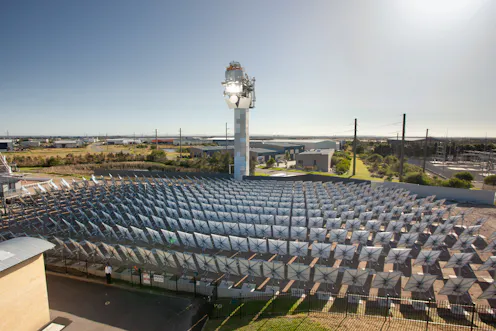
The Coalition has asked CSIRO to develop a “roadmap” towards commercialised clean energy. It’s a good idea as long as the plan is clear, and there’s enough money behind it.
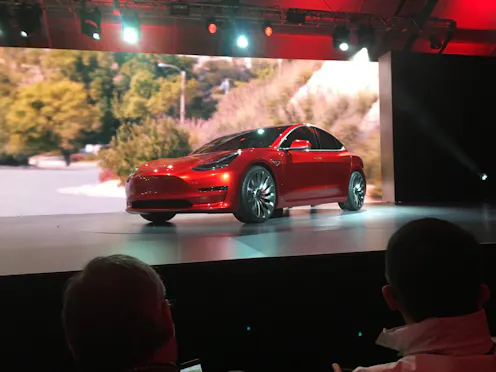
Tesla’s new Model 3 may be the kick the electric car industry needs to expand, with pre-orders exceeding expectations.
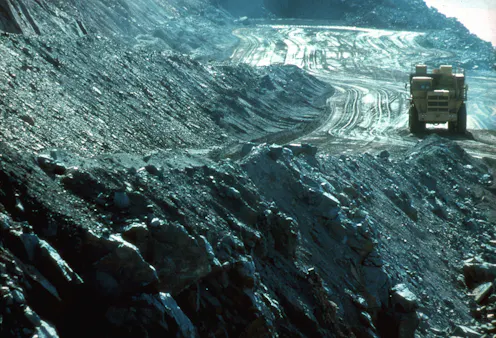
Experts respond to the reapproval of Adani’s Carmichael mine.
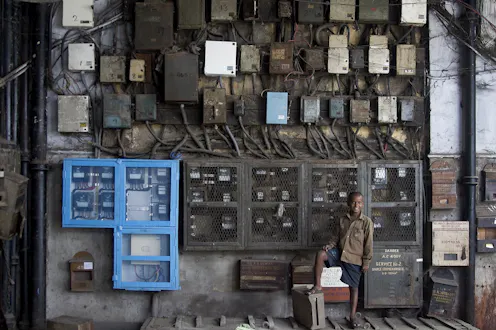
India has pledged to ramp up renewable energy and make its economy more carbon-efficient. And while that will help cut emissions, the main motivation is to give power to the many who still lack access to electricity.

Richard Di Natale, leader of The Greens, told the Q&A audience that India will no longer buying Australian coal but presenter Tony Jones said he thought that was wrong. We check the facts.
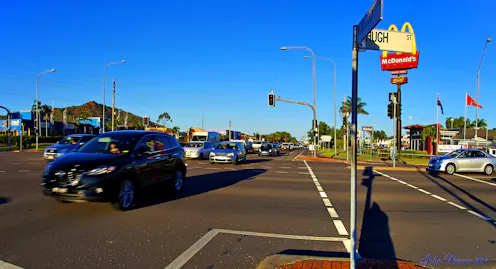
If you want to kick-start the “electric superhighway” in Queensland then it makes sense to start in a populated area with the busiest traffic.
Prime Minister Tony Abbott said this week that Labor’s pledge to source half the nation’s power from renewable energy by 2030 will “mean a massive bill, perhaps $60 billion or more, that will have to be carried by the consumers of Australia.” Is that right?
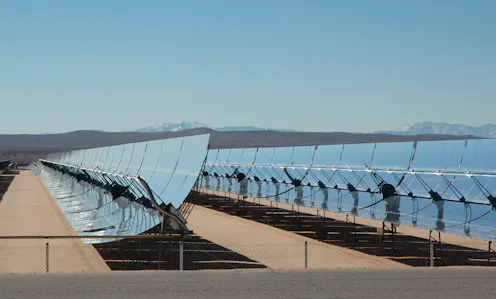
Environment minister Greg Hunt wants the Clean Energy Finance Corporation to focus on new technologies, not wind and solar. But that’s not what it was set up to do, and Australia already has an agency for that.
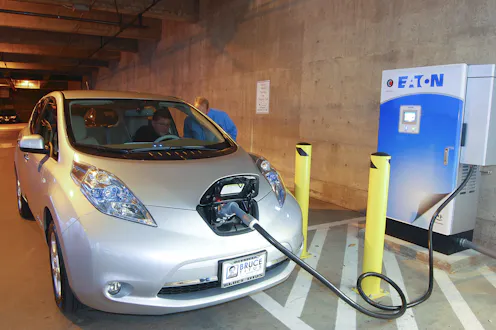
There are plenty of challenges to address before the electric car becomes a practical alternative to the petrol powered cars in Ausrralia.
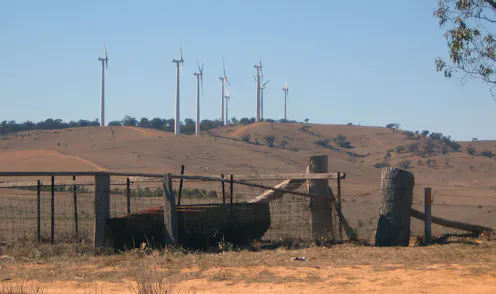
After months of deadlock, a deal has finally been reached to reduce the Renewable Energy Target, ending the uncertainty for industry but also risking an already sparse pipeline of future projects.
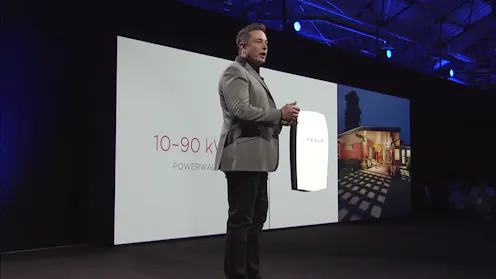
Not everyone will get the chance to cut their household electricity bills from solar powered batteries.
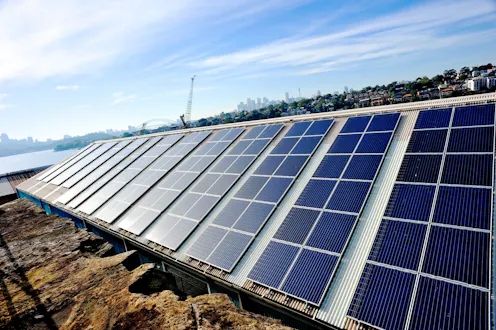
The federal government’s keenly awaited Energy White Paper is firmly focused on cutting prices and red tape, and boosting industry competitiveness - and less so on climate change and renewable energy.
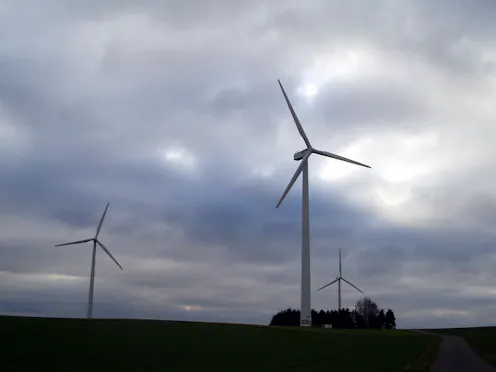
You may have seen recent reports that Australia’s renewable energy sector is suffering. According to a Bloomberg analysis, investment in the sector in the year to September 2014 was down 70% on investment…
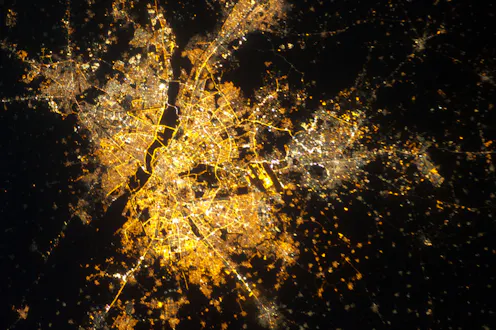
India’s new Prime Minister Narendra Modi has inherited the ongoing problem of supplying energy to one of the world’s largest economies. The challenge is made even bigger by India’s ambitions to meet rigorous…
Contact Craig for
- General
- Media request
- Speaking request
- Consulting / Advising
- Research collaboration
- Research supervision
- Location: Brisbane, Australia
- Article Feed
- Joined
