

Most science communication appeals to those who already love science. It’s harder, but important, to reach out to the disengaged too.
- Science communicator and communication consultant to Questacon, and alumni, CSIRO
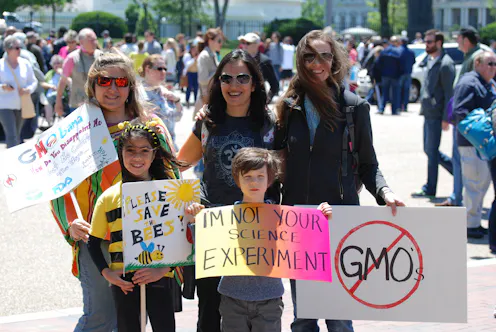
As Rod Lamberts reminded us here recently, when it comes to debates on genetically modified (GM) foods, arguing about the validity of the science is about as effective as descending to name calling. That’s…

With this year’s National Science Week (Aug 10-18) just past, many people are now thinking busily about science. So here’s a quick poll: What percentage of Australians are interested in science and technology…

Like many Australians, you may have recoiled in horror or laughed heartily when the results of the Australian Academy of Science’s science literacy survey surfaced last month. You may have had a similar…

Public concerns about issues such as wind farms and vaccines have led to a discussion about why some people have strong fears or adverse reactions, and why their perception of risk doesn’t align with those…
Contact Craig for
- General
- Media request
- Speaking request
- Consulting / Advising
- Research collaboration
- Research supervision
- Article Feed
- Joined
