
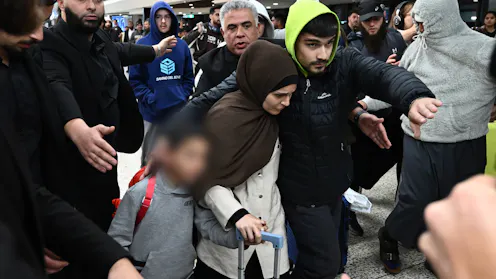
So-called ‘de-radicalisation’ programs are complex and can differ depending on the age and location of the people involved.
- Visiting Fellow, Department of Political and Social Change, The Philippines Institute, Australian National University
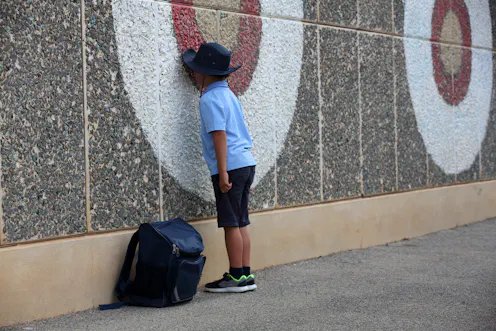
We don’t know the exact path towards radicalisation, so giving teachers signs to look for is dangerous.
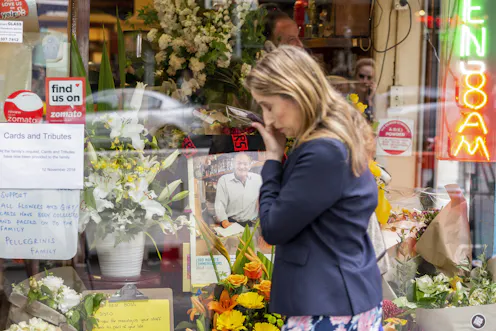
Not all terrorist incidents have mental illness as a causal factor, and most violent acts are committed by people without a mental illness.
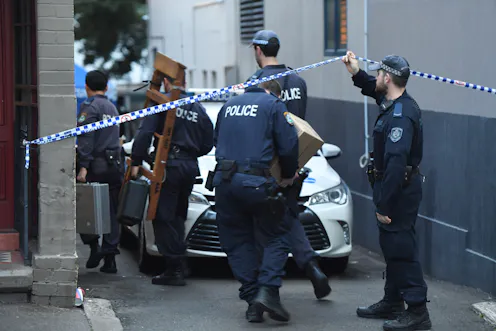
The government seems hell-bent on pre-crime arrest, prosecution, and punishment for terror offenders – while falling short in providing the necessary long-term support.

After a question from a Muslim audience member, Senator-elect Pauline Hanson said “your Grand Mufti won’t even come out and condemn the terrorist attacks that’s happened overseas”. Is that right?

Tasneem Chopra told Q&A that of the 70,000 refugees who’ve arrived in Australia by boat since 1976, none have been found to be linked to terrorism. We examine the best evidence out there.
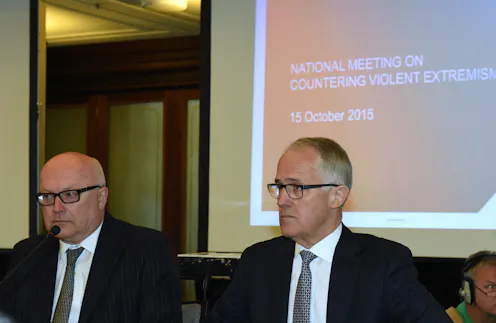
What has changed within society that fosters radicalisation among young people? Where are we failing children, and how can we adjust direction to care for them rather than incarcerate them?
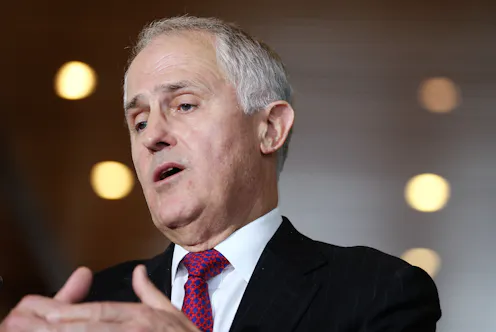
The continual use of colourful language when talking about terrorism exaggerates the threat in Australia and could play into the hands of Islamic State’s sophisticated recruitment strategies.
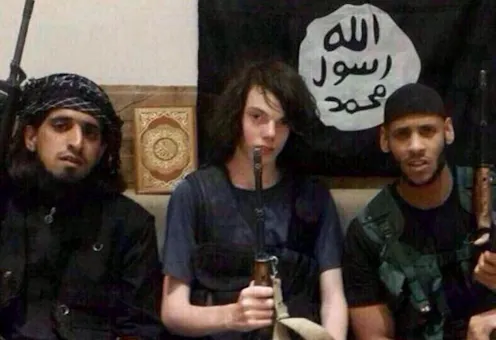
There will be more Jake Bilardis to come, and Australia must realise that no two cases will be entirely the same. Radicalised individuals will come from all areas of society.
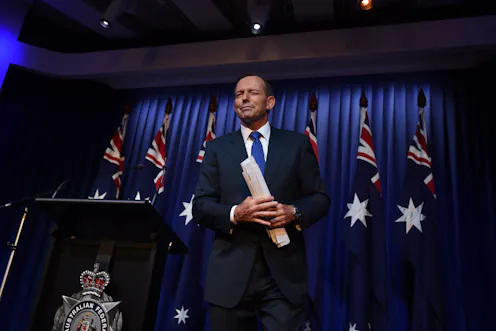
Australia’s response to terrorism must not be rooted in short-term political gains, but in a larger strategy that takes into account the problems leading to social disaffection.
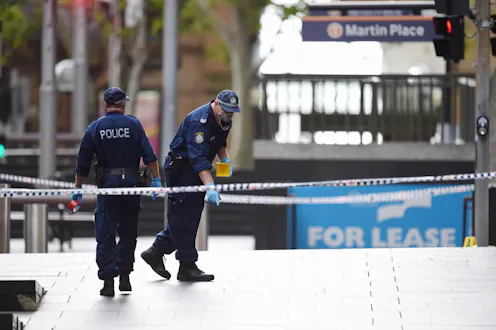
Sydney is slowly returning to normal after police brought an end to a 16-hour siege in a Martin Place cafe in the early hours of Tuesday morning. The perpetrator, Man Haron Monis, and two hostages, Katrina…
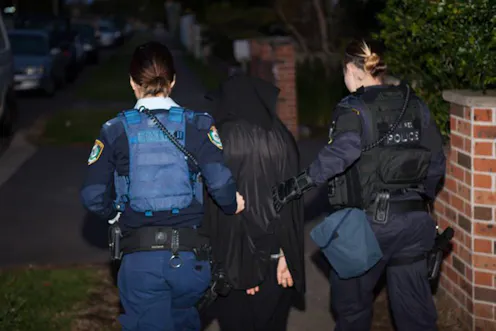
The dust is settling after the extensive police raids across Sydney and Brisbane last week. Authorities say this was the largest counter-terrorism operation in Australia’s history. Not only was it the…
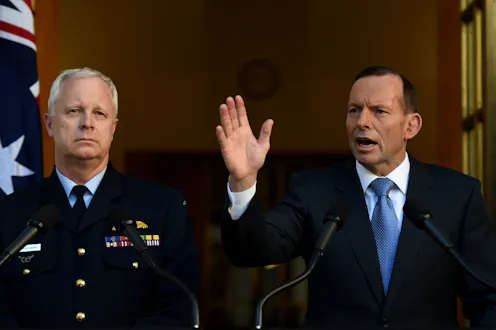
Before committing more troops, the Australian government should be certain about the type of threat Islamic State (IS) poses and whether the Australian Defence Force has a clear and justified objective…
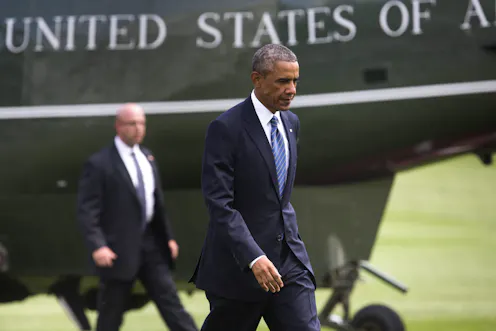
UPDATED AT 4:30PM AEST: The most interesting part of US President Barack Obama’s much-anticipated televised address today was not the unsurprising news of increased allied strikes against Islamic State…
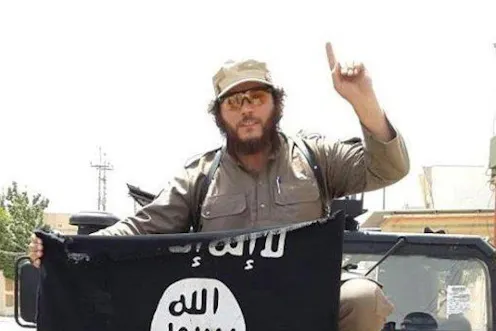
The government’s mooted legislation to tackle returning foreign fighters will undoubtedly make it easier to detect and prosecute those involved in terrorism overseas. This means many returned fighters…
Contact Clarke for
- General
- Media request
- Speaking request
- Consulting / Advising
- Research collaboration
- Research supervision
- Location: Canberra, Australia
- Website
- X (formerly Twitter): @clarkejones8
- Article Feed
- Joined
