
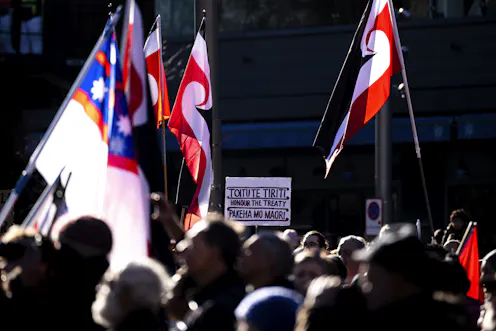
The Principles of the Treaty of Waitangi Bill will likely die after it goes to select committee – or will it? A possible referendum on the issue would raise the stakes considerably.
- Professor of Law, University of Waikato

Punishing parents of truant children misses factors – such as poverty and hunger – keeping some children out of school.

There is no express right to health in New Zealand law. But international agreements protecting Indigenous rights to health and wellbeing set the standard New Zealand should follow.
Despite demands for an urgent ‘reservation’ and ‘national interest test’ over new WHO regulations, New Zealand’s sovereignty is not at risk from international agreements or treaties.
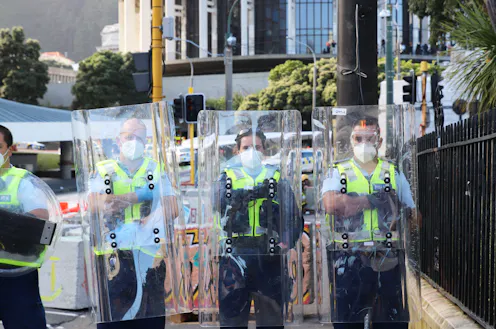
The 2022 parliament protests were unprecedented, but something similar could still happen again. What lessons can be drawn from the recent report into police handling of the event?
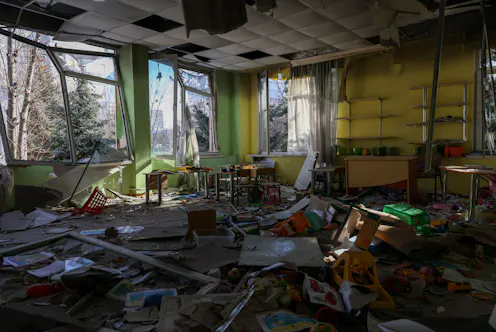
The deportation of children during war goes to the heart of important and far-reaching human rights conventions. But bringing perpetrators to justice will be a long and complex process.

There’s plenty of research supporting lowering the voting age to 16. Public debate and the law just need to catch up.
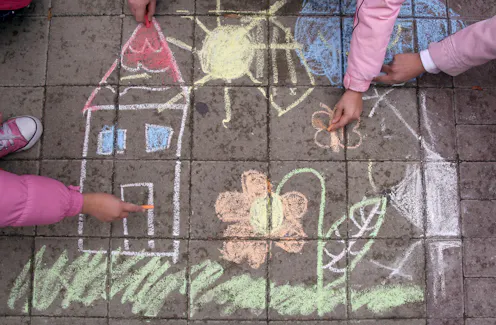
New Zealand is making some progress in its treatment of children and young people. But there is still a way to go to meet its obligations under international law.

Article 3 of Te Tiriti o Waitangi gave Māori the fundamental rights and freedoms guaranteed under British law. Understanding it is critical to modern debates over ‘co-governance’ and partnership.
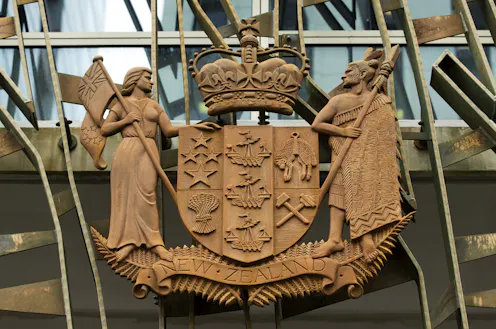
In New Zealand, you can be considered capable of criminal intent from the age of ten. But this is young by international standards, and many believe reform is overdue.
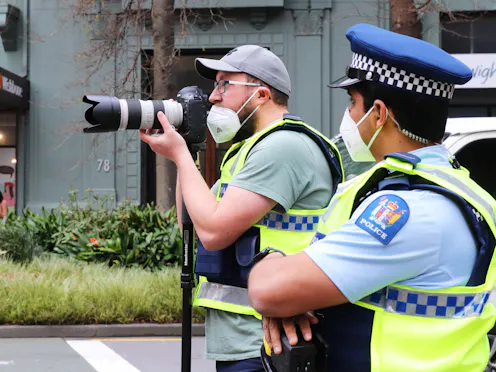
Questions about illegal surveillance photography and powerful facial recognition technology suggest updating the police training manual and the Policing Act itself should be a priority.

Major public media reform in New Zealand is coming at the same time as trust in government and media declines. The proposed new law needs to make political and editorial independence a top priority.
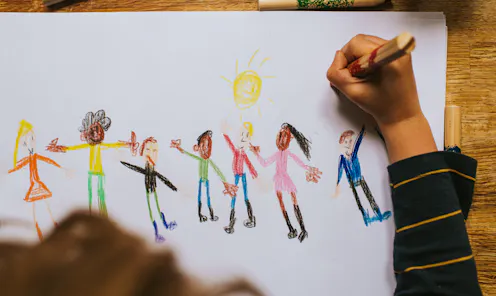
A new law intended to strengthen oversight of Oranga Tamariki and other agencies tasked to protect children has the potential to do the opposite.
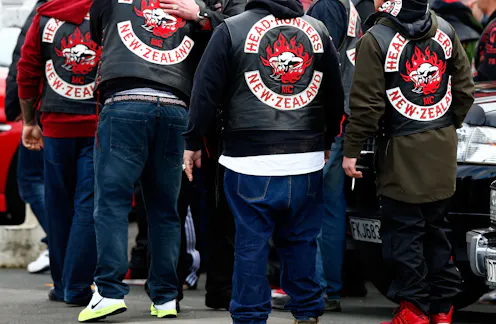
History shows there is no magic bullet for solving gang crime. Only an evidence-based approach, coupled with mutually agreed targets and indicators, will start to achieve real change.

The Pae Ora (Healthy Futures) Act comes into force soon but it doesn’t recognise the basic right to health, meaning the government is less accountable for delivering on its obligations.
Some New Zealanders say the government’s COVID-19 response has violated their rights, but do freedoms granted by the Bill of Rights trump the rest of the legal framework?

Current parental leave schemes reinforce old gender stereotypes and the pay gap between women and men. Overseas experience shows better targeted leave for new fathers helps everyone.
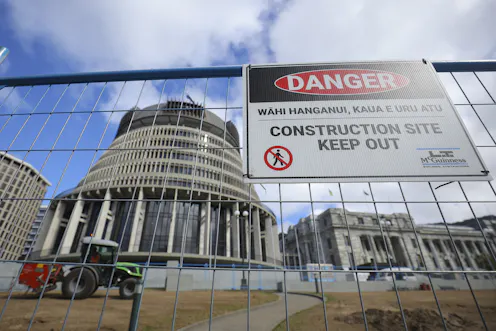
New Zealand has more laws about respecting the flag than about protecting parliament and its grounds. The 23-day occupation in Wellington showed how much needs to change.

The prime minister and police have asked that children be removed from the protest at parliament – but the situation is legally and logistically complex.
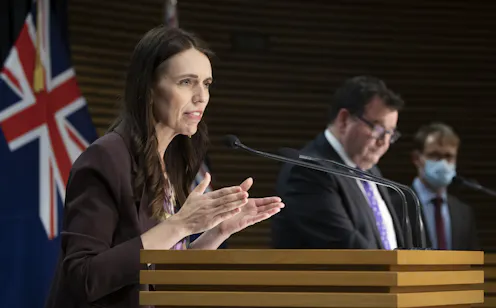
A royal commission of inquiry would take the politics out of assessing New Zealand’s pandemic response – and help safeguard future generations.

Court challenges over vaccine mandate exemptions have so far failed. But with fundamental human rights at the centre of the government’s emergency powers, is it time for purpose-built new law?
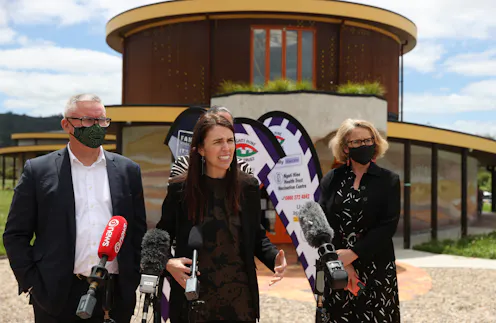
As protests against COVID restrictions increase, authorities should focus on de-escalating tense and volatile situations, and bringing those who break laws to justice after the event, not during it.

With no clear biomedical basis for most early surgery on intersex children, interventions should be postponed until a child is competent to decide for themselves.

New Zealand was named almost by historical accident, and there have been various versions used in the past. But a complete change would still need greater public support.
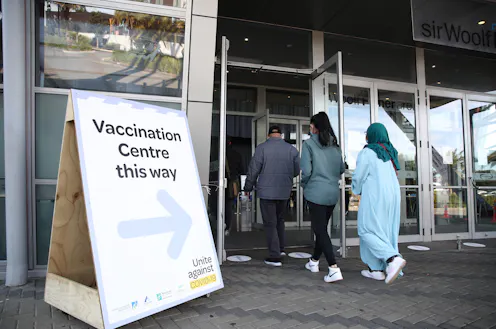
Children can give and refuse consent to be vaccinated, so parents and health workers need to be clear about the law.
Contact Claire for
- General
- Media request
- Speaking request
- Consulting / Advising
- Research collaboration
- Research supervision
- Location: Hamilton, New Zealand
- Article Feed
- ORCID
- Joined
