

Estimates of artificial intelligence’s impact on jobs and the economy range from the apocalyptic to the utopian, but the data tells a more nuanced story.
- Associate Research Professor of Information Systems, Arizona State University
- Fellow, Institute for Humane Studies

Updated management practices and monetized digital production could help opera companies rely less on subscriptions and big donors for revenue – bolstering budgets.

Where, when and how Americans work has dramatically shifted since the COVID-19 pandemic disrupted the routines of everyday life.

What’s more, higher education holds the key to ensuring humans are equipped with the necessary skills to work alongside AI.

More students must acquire IT skills in order to secure jobs with upward mobility, according to a researcher who developed an index that shows a dramatic growth in ‘IT intensive’ jobs.

We asked four of our regular economics writers to examine a key theme they expect to flare up in 2018 and why.

Double-majoring is thought to broaden your horizons and give you more career options. A new look at seven years of U.S. census data tells us that there may be a financial benefit as well.
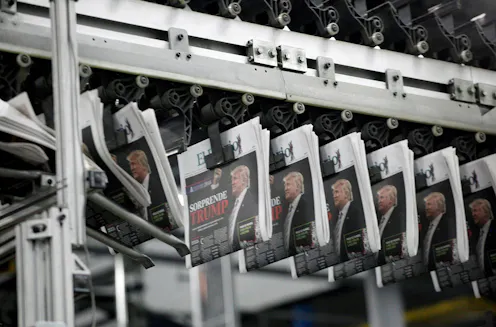
Four of our economic scholars weigh in on Trump’s legislative agenda, healing the divide, uncertainty and something known as the ‘presidential puzzle.’
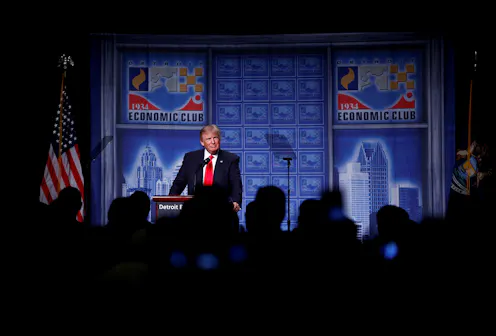
Trump revisited familiar themes during his economic address in Detroit and offered a few new ones. Two of our economic experts express their takeaways.
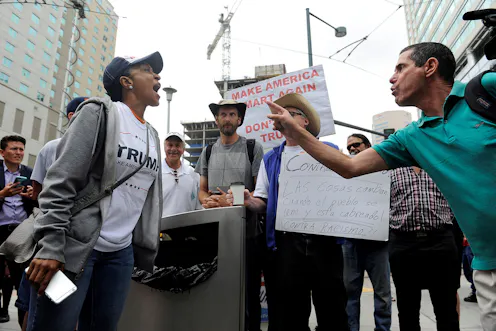
Income inequality and political polarization have both surged in recent decades and are the worst they’ve ever been. Is one causing the other?
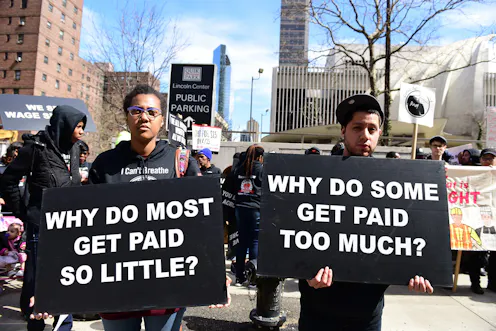
The latest economic research suggests there are better ways to narrow the gap between the richest and the poorest.
Contact Christos for
- General
- Media request
- Speaking request
- Consulting / Advising
- Research collaboration
- Research supervision
- Location: Washington, D.C., U.S.
- Website
- Article Feed
- ORCID
- Joined

