

Relative to the long-term average, this autumn has been even hotter than summer.
- Head of the Centre for Water, Environment, Sustainability and Public Health, University of Strathclyde
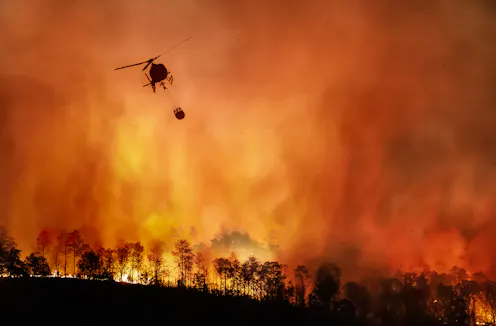
How scientists are improving their understanding of the connection between extremes and climate change – and what’s to come. Listen to The Conversation Weekly.
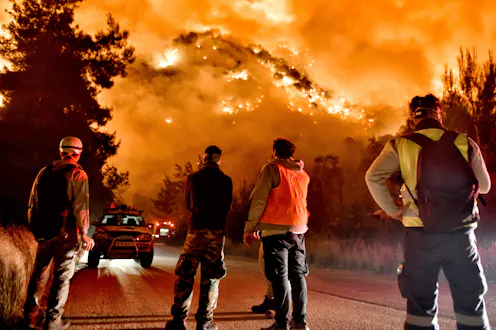
Scientists tend to study heatwaves and floods as discrete events – but this overlooks the crucial connections between them.
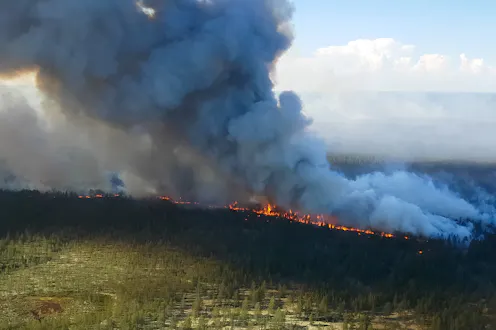
The high temperatures and wildfires of 2019 were thought to have heralded a freak summer for the Arctic. Then 2020 brought worse.

The UN’s climate change conference is coming to the UK this year, and former industrial powerhouse Glasgow is just the city to demonstrate its environmental commitment.
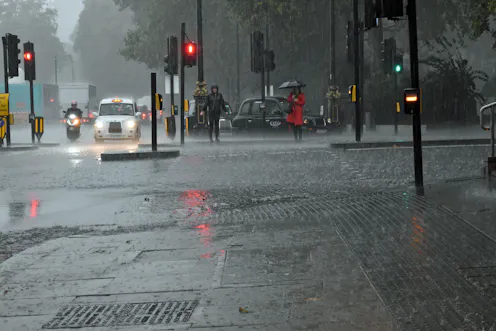
Alerting people to the threat of surface water flooding is still in its infancy, but a new review reveals a combination of prediction modelling and weather watching aims to help affected communities.

Research comes with risk and uncertainty so getting the right message across to the people who matter can be a challenge for scientists. A new plan out today hopes to change that.
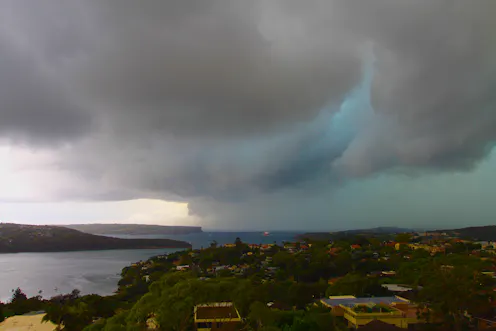
Severe storms bring a complex mixture of weather conditions, often in a very localised area. This unpredictability can make them very damaging, and very hard to study too.
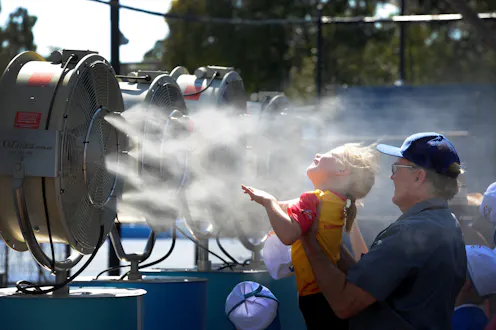
Heatwaves are Australia’s deadliest type of natural disaster. But while we know a lot about the weather patterns behind them, more research is needed to forecast accurately their impacts on people.
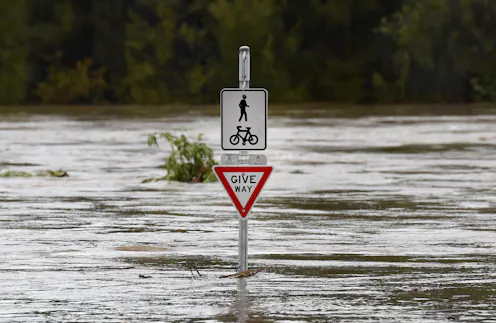
Floods are a costly part of Australian life, which means we need to get better at predicting exactly when - and how severely - they are likely to strike in the future.

A comprehensive analysis of Tasmania’s natural disaster risks has identified bushfire as the biggest threat, alongside emerging issues such as disease epidemics and heatwaves.
Contact Christopher for
- General
- Media request
- Speaking request
- Consulting / Advising
- Research collaboration
- Research supervision
- Location: Glasgow, UK
- Website
- X (formerly Twitter): @Dr_Chris_White
- Article Feed
- ORCID
- Joined
