
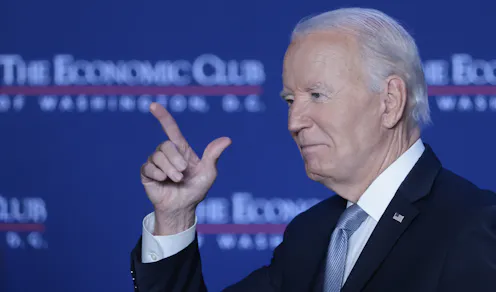
The US added just 12,000 jobs in October 2024.
- Professor of Economics, University of Nebraska Omaha
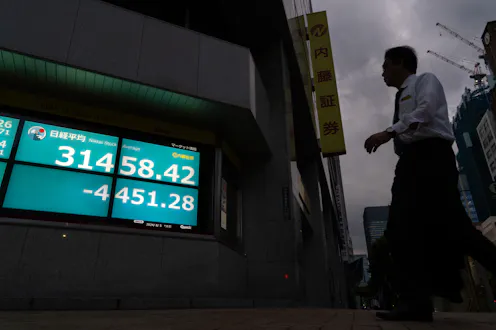
Slowing job growth should come as no surprise.
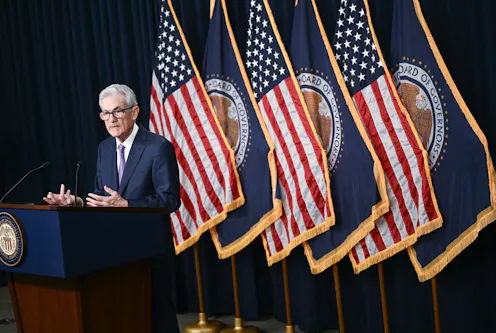
The Federal Reserve is being characteristically cautious.
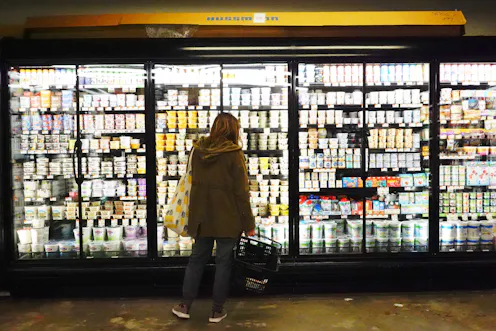
Investors, homebuyers and central bankers all have reason to be irritated by the latest data, and inflation isn’t licked just yet. But the numbers also show reason for optimism.
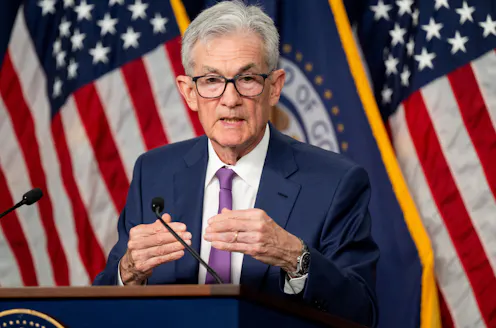
The Federal Reserve doesn’t appear eager to cut rates.
The central bank is ‘really in risk management mode,’ its chairman said.

The latest labor figures are less encouraging than they might seem.

The numbers seem to be going in the ‘right’ direction for the Fed to pull off a soft landing – and avoid a recession – but the picture remains murky.
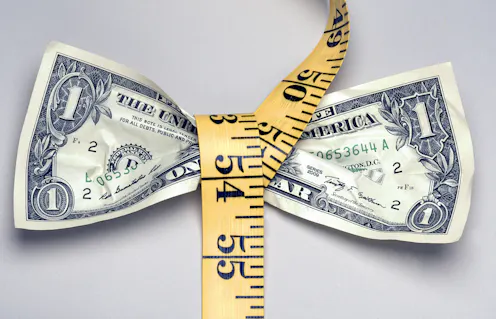
The Fed’s campaign of rate hikes is showing more signs of having the intended effect of slowing the economy – but that may be bad news for those who lose their jobs or have a harder time finding one.
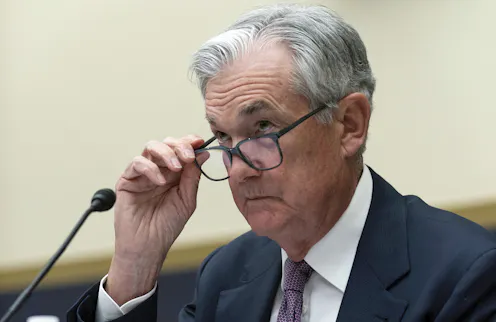
The latest consumer prices report shows cost of living is still rising far above the Fed’s target. But don’t expect monetary policymakers to aggressively hike rates.

Labor market disruptions, supply chain strains and the war in Ukraine have taken a toll everywhere.
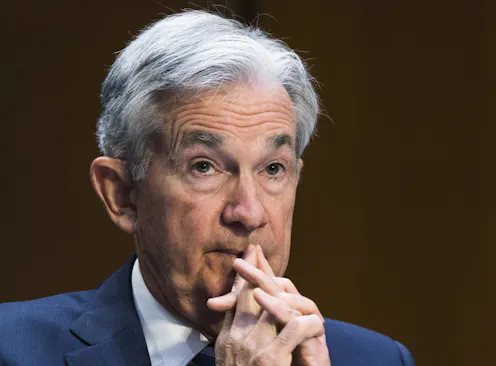
The US economy gained more jobs than expected in June, although it was still a decline from May. An economist explains what the new numbers mean.
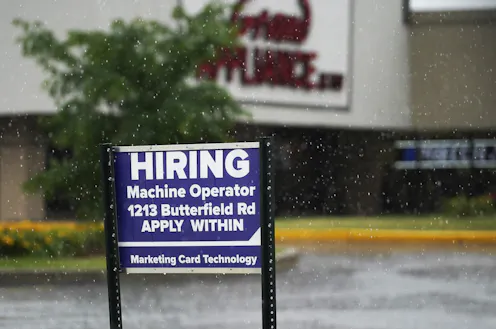
While the uptick in the unemployment rate in January may seem like bad news, the reason it rose actually shows the labor market returning to normal.
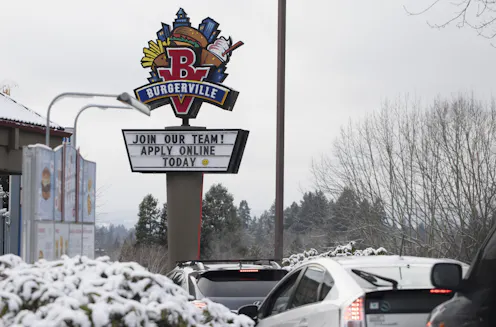
The job market continued to improve in December, but a stagnating labor pool will pose more challenges for employers in 2022.

October’s employment report was rosy, with more than 500,000 jobs added in the month. There were also signs that the American workforce was heading back to the old normal.
Contact Christopher for
- General
- Media request
- Speaking request
- Consulting / Advising
- Research collaboration
- Research supervision
- Location: Omaha, Nebraska, U.S.
- Article Feed
- Joined
