

Two experts answer five common questions about the flu vaccine, with the evidence.
- Paediatrician, Infectious Diseases Physician and Clinical Microbiologist, The Kids Research Institute Australia, The University of Western Australia
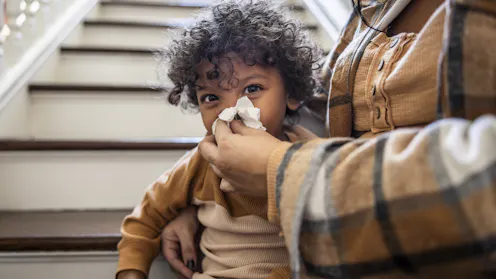
A fear of needles can stop many children from getting a flu vaccine. But a new nasal spray will be available in 2026. Is your kid eligible?

This vaccine replaces previously listed pneumococcal shots, having been updated to offer better protection against the disease.
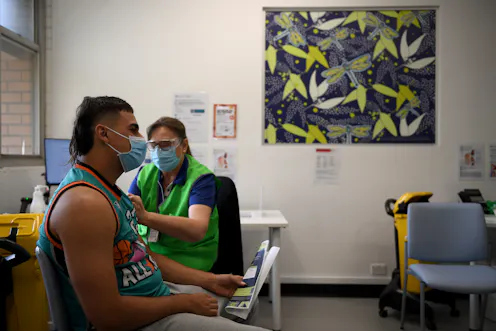
A recent study explored COVID experiences among Indigenous adults in WA. Here’s what we must learn for the next pandemic.

At the moment, a child’s access to certain shots can differ depending on whether they live in Queensland or Tasmania.

The RSV shot children in WA will get is a monoclonal antibody. Here’s what that means.

Rates of flu vaccination are down for children. That leaves them and us vulnerable to the flu and its complications.

Former MP Dr Kerryn Phelps’ COVID vaccination experience has prompted discussion about severe side effects after COVID vaccines. Here’s how they’re tracked, confirmed and prevented.
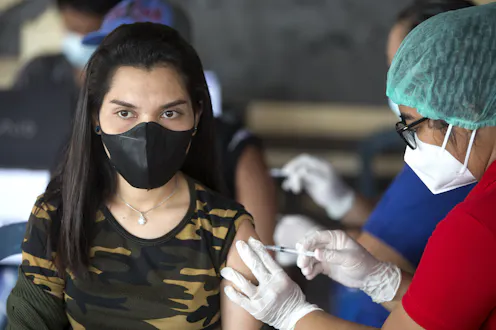
Fewer people reported needing to miss work after their booster, compared to their second dose.
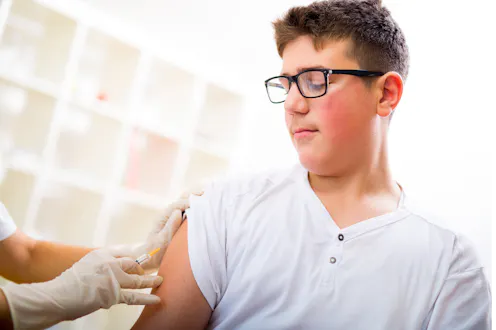
The United States and Canada have approved the Pfizer vaccine for adolescents aged 12–15. The evidence so far tells us it works well and is safe for this age group.
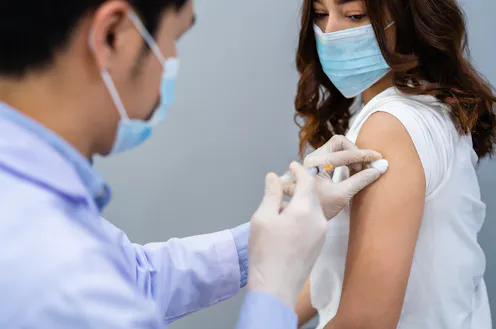
Years of vaccine research tells us that, if side effects are going to occur, they normally occur within the first months after getting a vaccine.

Women, particularly those of childbearing age, were more likely to be unsure about getting vaccinated.
Unprecedented efforts are driving the global push for a safe and effective vaccine. If and when we have one (or more), here’s how it’s likely to be rolled out in Australia.
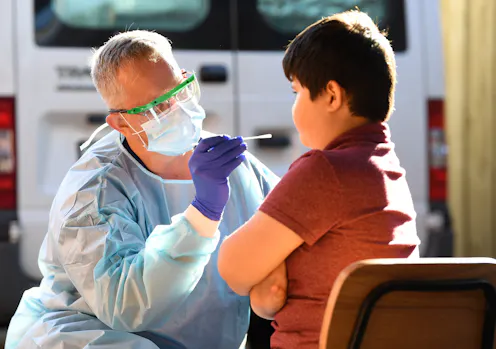
Recent cases remind us that although children and teens are considered less likely than adults to catch and spread COVID-19, everyone with symptoms should get a test — including children and teens.
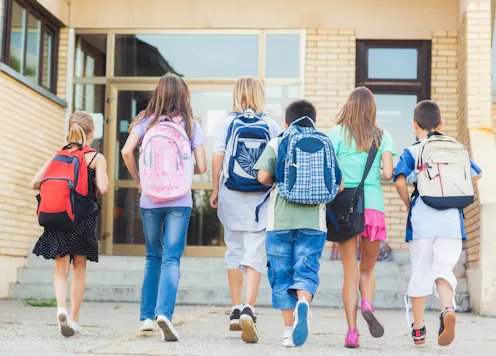
More evidence has come in and confirmed what the government has been saying for some time. Children do get infected much less than adults with COVID-19 and when they do, they hardly spread it.

Government schools remain open but many parents are already voluntarily keeping their children home in an effort to ‘flatten the curve’.

Children who get the coronavirus often show mild symptoms and some have none at all. But they can still carry and transmit the virus.
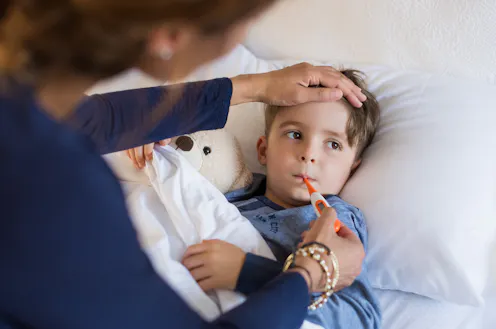
Children’s immune systems are more vulnerable to the flu; even kids who are otherwise healthy can develop complications. The best way to protect children is by having them vaccinated.
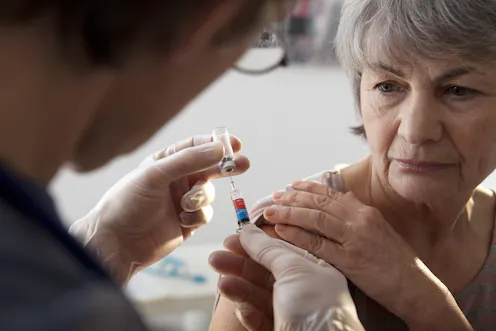
The adjuvanted flu vaccine is free for over-65s and offers better protection than the standard vaccine. Here’s what the research says.
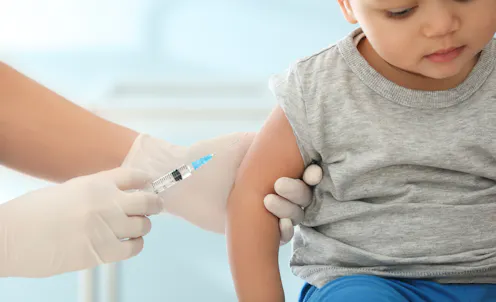
The flu vaccine isn’t perfect but it’s the best way to protect against these potentially harmful viruses. Most children aged six months to five years are eligible for a free vaccine in 2018.
Contact Christopher for
- General
- Media request
- Speaking request
- Consulting / Advising
- Research collaboration
- Research supervision
- Location: Perth, Australia
- Website
- X (formerly Twitter): @ChrisBlyth74
- Article Feed
- ORCID
- Joined
