

Pandemic policy experts offer 10 recommendations that could reduce the risk that a bad flu season on top of the COVID-19 pandemic will overwhelm hospitals.
- Assistant Professor, Texas A&M University
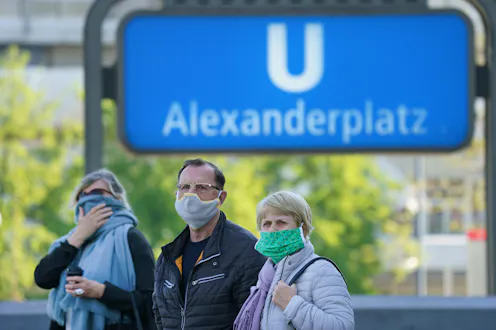
Countries across the globe responded differently to the pandemic, and results show a difference in effectiveness as well.

While US residents may feel safe from the effects of the coronavirus, the aftershocks could be damaging in unexpected ways. The disruption to China’s supply chain could cause drug shortages.
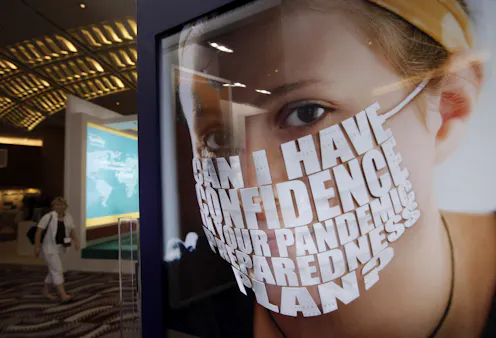
It’s not a matter of if, but when, the next deadly pandemic will strike. Will the world be ready?
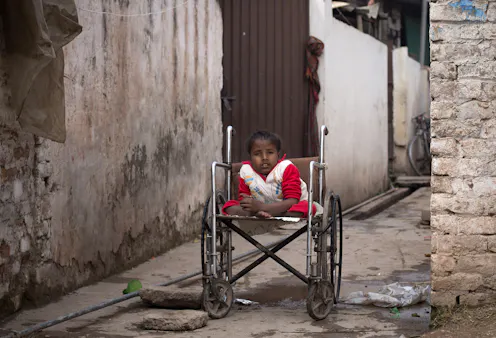
Pakistan had only eight new diagnoses of polio in 2017. The virus’ days look numbered – but health workers have their work cut out for them to eradicate the devastating disease once and for all.
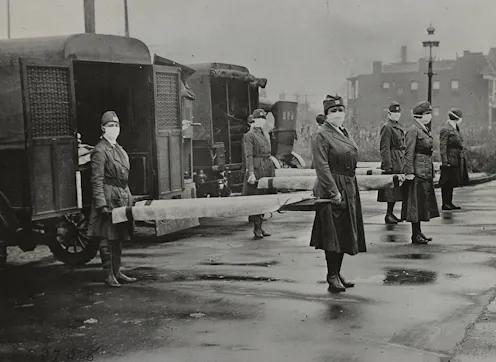
With many men ‘missing’ from the population in the aftermath of the 1918 flu, women stepped into public roles that hadn’t previously been open to them.
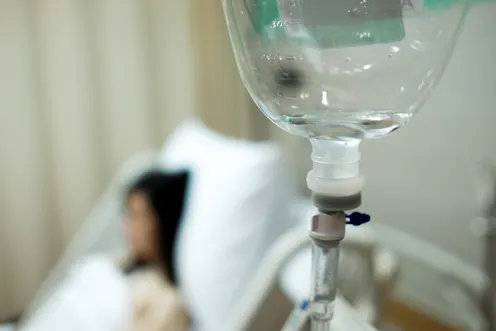
Thanks to Hurricane Maria, some US hospitals are experiencing a saline shortage. In times of emergency, medical supply chains break down too easily.
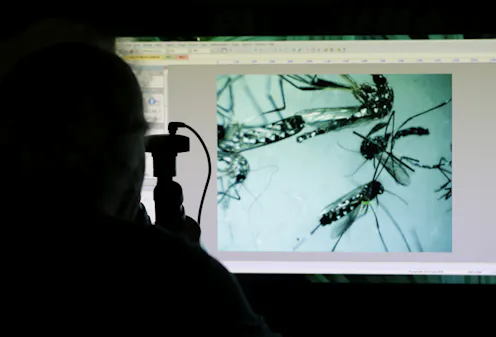
Vast amounts of standing water in Houston and other hurricane-flooded areas are dangerous not only because of toxins. The water is a dangerous breeding ground for mosquitoes that transmit Zika.
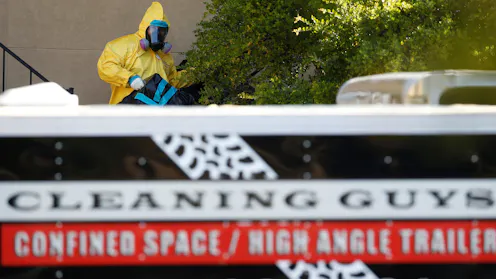
President Trump wants to slash global health funding at a time when more investment is needed, not less. This spending can protect Americans – as well as foreigners – from deadly diseases.
Contact Christine for
- General
- Media request
- Speaking request
- Consulting / Advising
- Research collaboration
- Research supervision
- Location: College Station, Texas, U.S.
- Article Feed
-
- Joined
