

New research shows tides influence how ocean heat is transported under Antarctica’s floating ice shelves, changing the energy available to melt the ice from below.
- Professor in Glaciology, University of Otago

A four-year record from the heart of the Ross Ice Shelf shows how subtle changes could shape future sea level rise, ocean ecosystems – and even our weather.
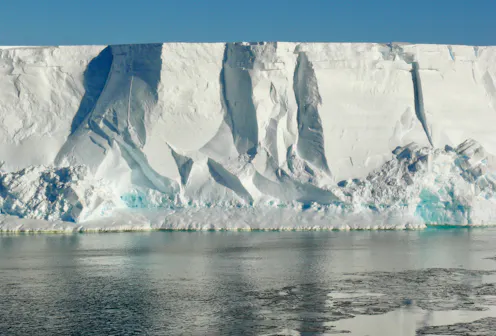
A high-tech expedition to sample the ocean under Antarctica’s Ross Ice Shelf confirms what the earliest explorers thought: everywhere we look we find microbes, scavenging any energy source available.
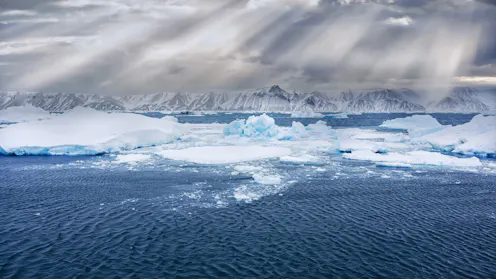
L’océan Austral constitue le principal réservoir de chaleur et de carbone de notre planète. Il abrite des formes de vie extraordinaires, des invertébrés microscopiques aux gigantesques baleines.

Lautan Selatan (Antarktika) merupakan penyimpanan utama panas dan karbon di Bumi, serta rumah bagi kehidupan laut yang menakjubkan seperti penguin, alga, dan paus.
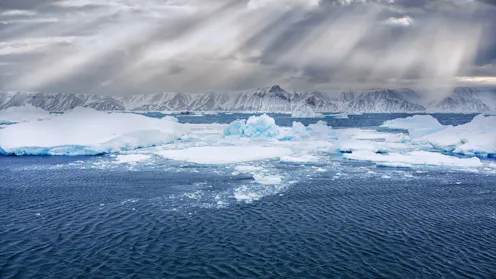
El Océano Austral (Antártico) es el principal almacén de calor y carbono de nuestro planeta, y es hogar de extraordinarias formas de vida, desde pequeñas algas y criaturas sin espinas hasta pingüinos, focas y ballenas.

The Southern (Antarctic) Ocean is our planet’s primary storage of heat and carbon, and it’s home to extraordinary life forms, from tiny algae and spineless creatures to penguins, seals and whales.

Latest research explores how a warming ocean circulates underneath Antarctica’s floating ice shelves and how this contributes to future sea level rise.

An international team has melted a hole through Antarctica’s largest ice shelf to explore the hidden ocean below, and the shelf’s vulnerability to climate change.
Contact Christina for
- General
- Media request
- Speaking request
- Consulting / Advising
- Research collaboration
- Research supervision
- Article Feed
- Joined
