
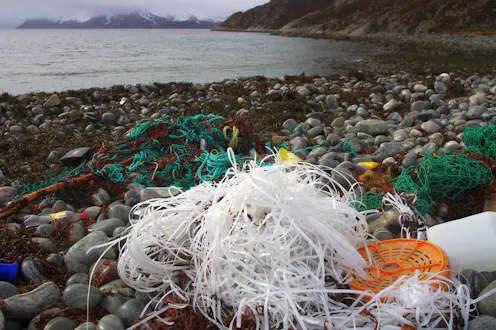
Each year, enough fishing line to circle the Earth 18 times is lost at sea. This not only harms marine life, but also the livelihoods of fishers worldwide.
- Senior Principal Research Scientist, CSIRO

Here’s some good environmental news – local governments and local actions have slashed the plastic on our beaches. Incentives, awareness and access are the key.
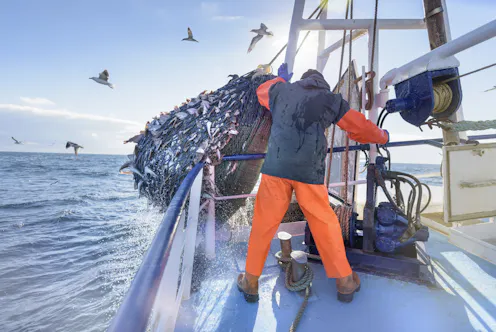
Technology and regulation have solved some issues with bycatch. To reduce damage to marine life further, we can harness the skills of our best fishers.
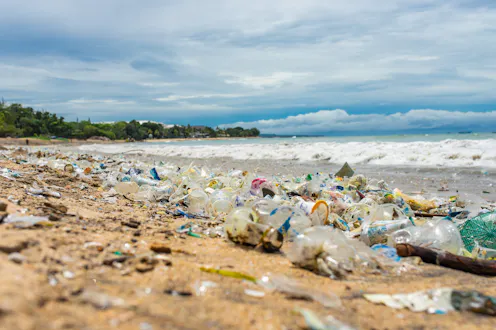
Litter hotspots were associated with socioeconomic factors such as a concentration of built infrastructure, less national wealth and the level of lighting at night.

When illegal fishing is misrepresented, it leads to poor investments and misguided policies that don’t help the actual problem.
Plastik di laut ditelan oleh 700 spesies, tapi hanya beberapa barang yang menyebabkan kematian terbanyak.
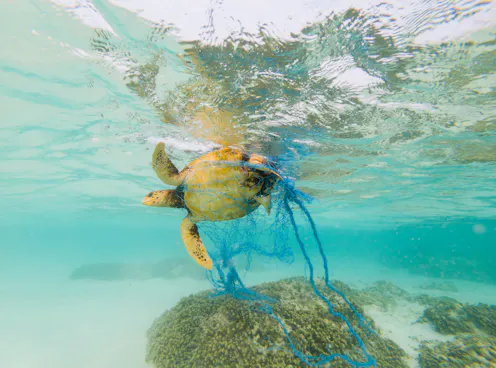
Plastic in the ocean is eaten by over 700 species, but just a few items are responsible for the most deaths.
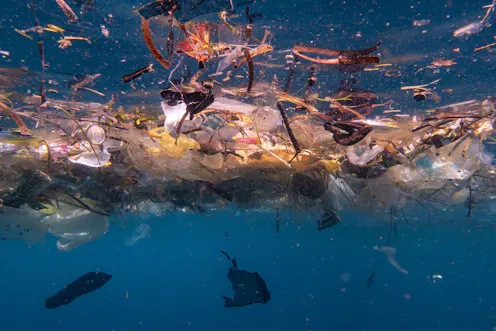
Jumlah ini 35 kali lebih besar dibanding perkiraan berat polusi plastik di permukaan laut.
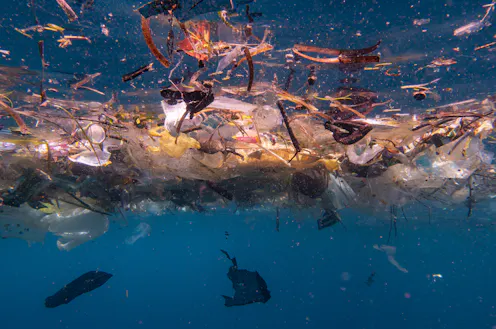
This is up to 35 times more than the estimated weight of plastic pollution on the ocean’s surface.
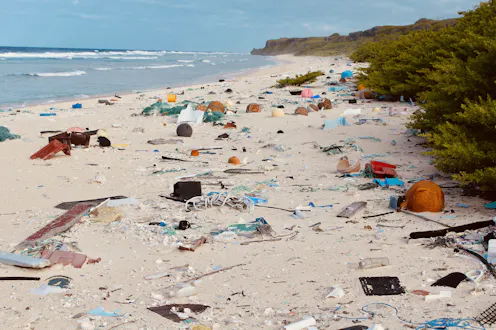
New research from Australia’s national science agency shows a huge amount of ocean plastic ends up on land, where it gets trapped.
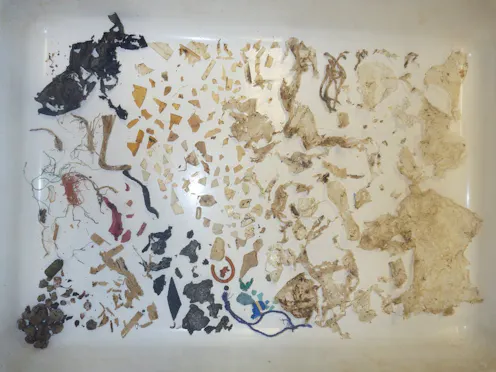
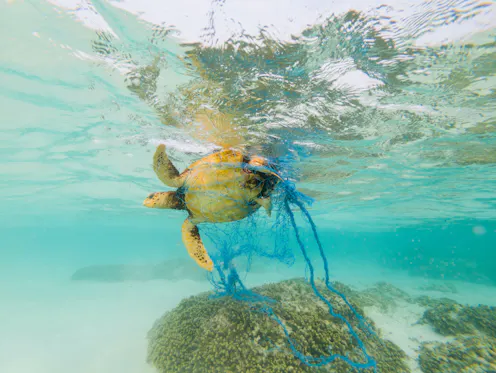
Autopsies of 1,000 turtles washed up on Australian beaches paint a grim picture of the impact of plastic debris. Even a single piece can be deadly, and on average 14 pieces equals a 50% fatality rate.
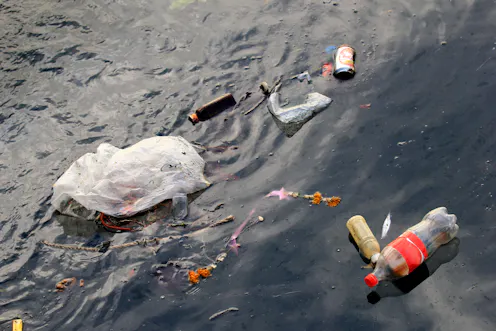
Drink containers end up in the ocean at a truly alarming rate. Simply paying people a small amount to return them cuts that rate by nearly half.
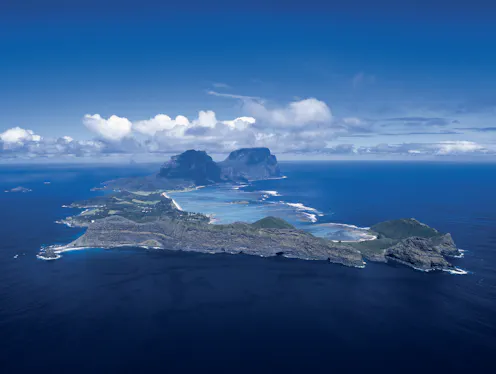
Eradicating feral animals from islands can be expensive, but new research shows where to get the biggest bang for our buck.
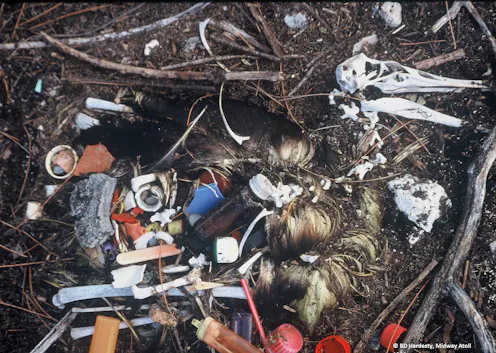
By 2050, 99% of the world’s seabird species will be accidentally eating plastic, unless we take action to clean up the oceans. And some of the highest risk to wildlife is in the Southern Ocean off Australia.
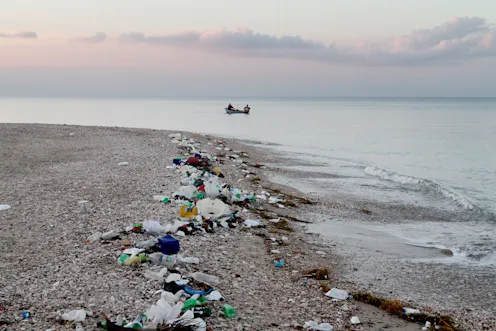
You might have heard the oceans are full of plastic, but how full exactly? Around 8 million metric tonnes go into the oceans each year, according to the first rigorous global estimate published in Science…

By 2050, 95% of seabirds will have plastic in their gut. That is just one finding from our national marine debris research project, the largest sample of marine debris data ever collected anywhere in the…
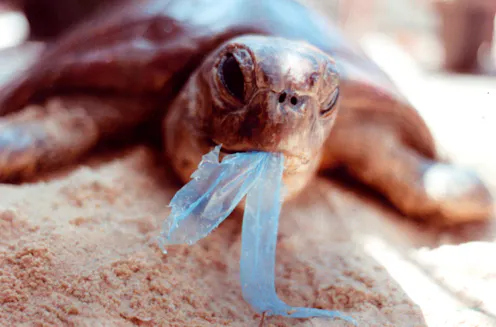
Each year around 640,000 tonnes of fishing gear is lost or thrown overboard by the fisheries around the world. These “ghostnets” drift through the oceans and can continue fishing for many years. They kill…
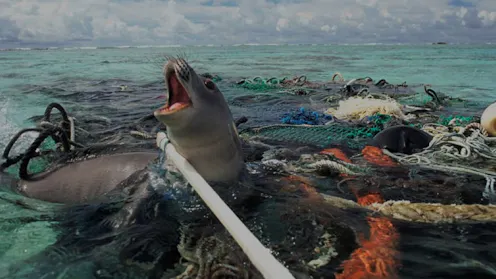
Pollution from human activities has major impact on the world’s marine ecosystems. Plastic refuse is one of the most pervasive types of pollution. More than 80 million tons of plastics are estimated to…
Contact Chris for
- General
- Media request
- Speaking request
- Consulting / Advising
- Research collaboration
- Research supervision
- Location: Hobart, Australia
- Website
- Article Feed
- Joined
