
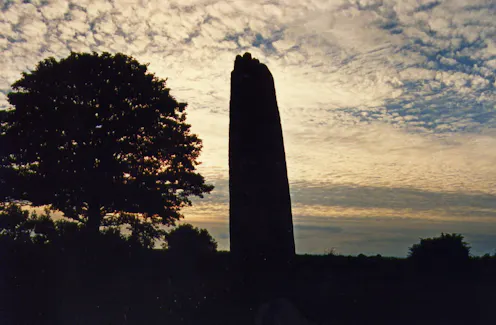
The people who put up these giant stones did not choose the nearest possible source.
- Professor of Geochronology, Curtin University
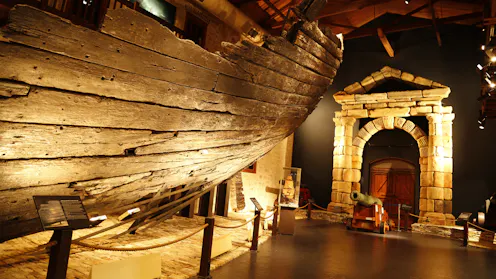
Nearly four centuries after the Batavia wrecked, a new study about its precious cargo shows that stories can indeed be written in stone.
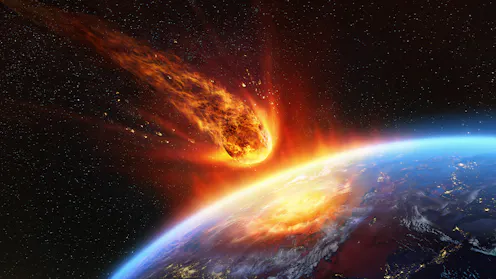
The oldest known impact structure on Earth has been confirmed in outback Australia.

When it comes to evolution, a few million years can really matter.
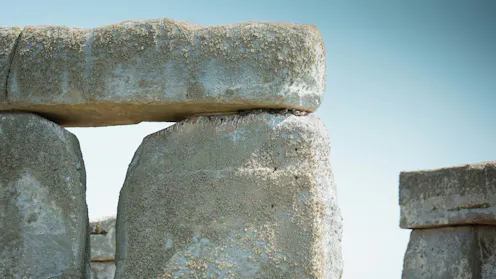
Une nouvelle étude montre que les pierres les plus exotiques de Stonehenge ne sont pas arrivées par hasard, mais ont été soigneusement choisies et transportées.

A new study shows the monument’s most exotic stones did not arrive by chance but were instead deliberately selected and transported.

Vaporising crystals with a laser allows us to look deep into Earth’s past.
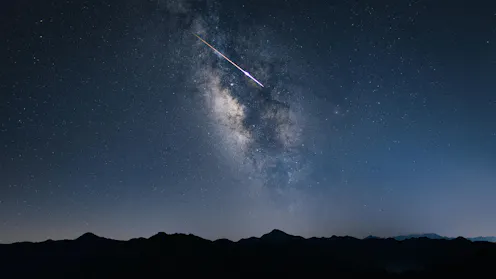
The findings suggest Earth’s geological story was partly written in the stars – specifically, in the spiral arms of our home galaxy.
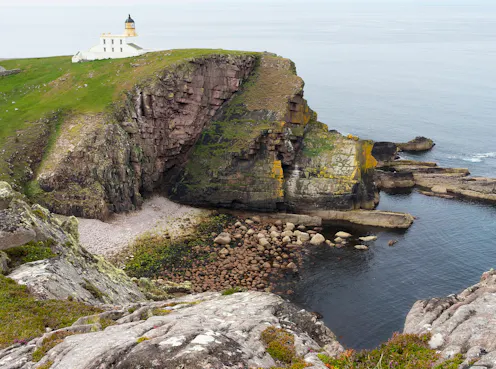
The microbes living here were dramatically disrupted – and the future of life on Earth changed.

A cratera data de 3,5 bilhões de anos, o que a torna a mais antiga conhecida por uma diferença de mais de um bilhão de anos.

The crater dates back 3.5 billion years, making it the oldest known by more than a billion years.
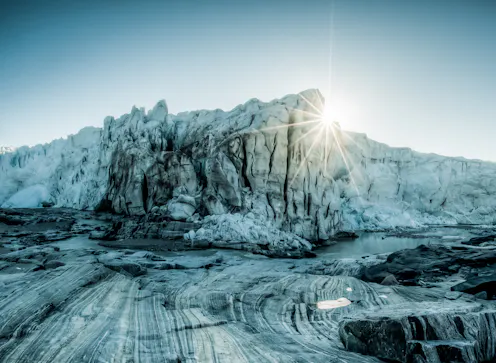
Hundreds of millions of years ago, rocks crushed under kilometres of ice injected vital nutrients into Earth’s oceans.
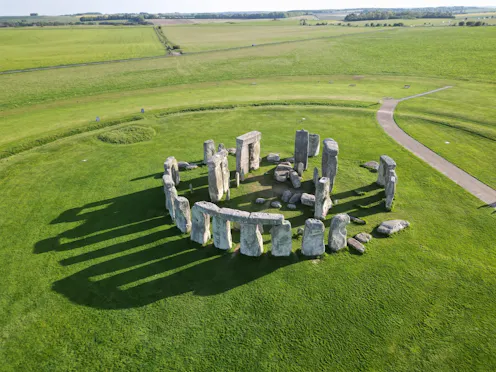
O centro das atividades do solstício em Stonehenge é a Pedra do Altar - uma grande placa de arenito de origem incerta. Nosso novo trabalho encontrou uma correspondência para ela na Escócia.
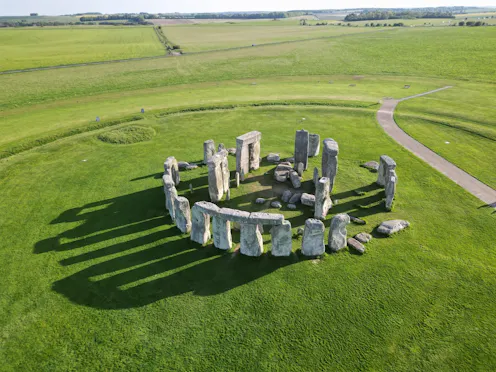
The centre of solstice activities at Stonehenge is the Altar Stone – a large sandstone slab of uncertain origins. Our new work has found a match for it all the way in Scotland.
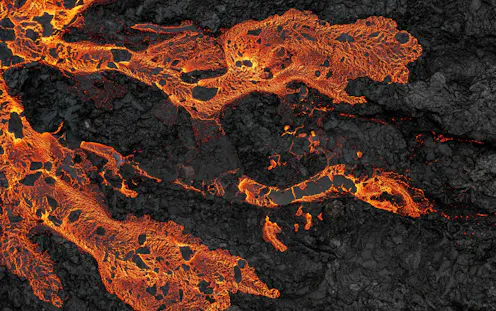
Life depends on Earth’s ancient continental crust – but there are only a few places where remnants of it can still be seen today.
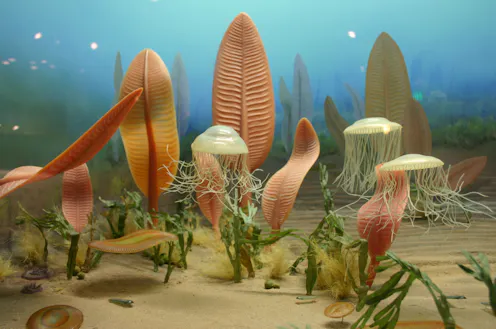
Fossil traces of the oldest complex ecosystems are found in precious few locations worldwide, including Australia. Newly dated fossils from Wales now join the ranks.

New research on the Nullarbor Plain reveals the ancient climate change that separated Australia’s east and west ecosystems, shaping today’s biodiversity.
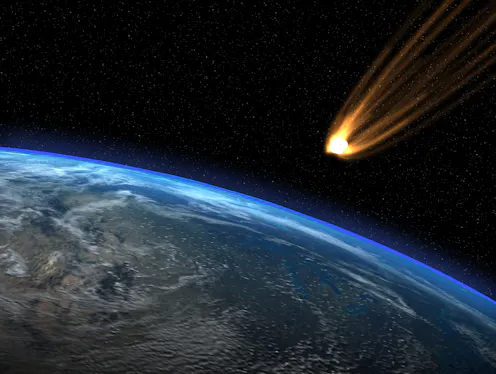
The 2.29 billion-year-old crater in Western Australia offers clues about what massive space rock impacts meant for the early Earth.

There’s a curious 200-million-year rhythm to Earth’s crust production. Now, it seems like our very place in the galaxy is tied to it.

Evidence from the Pilbara region suggests Earth in its youth behaved very differently to how it does today, and had more water within it than previously thought.
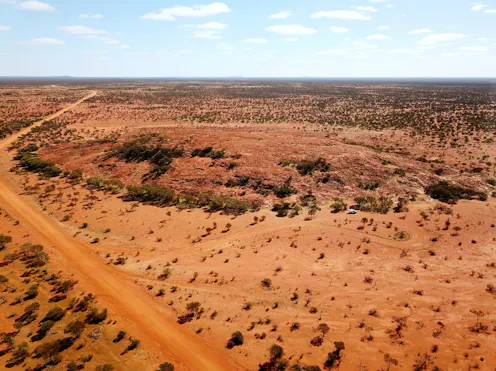
The Yarrabubba asteroid landed 2.2 billion years ago. Around the same time, the icy Earth went through a big thaw.
Contact Chris for
- General
- Media request
- Speaking request
- Consulting / Advising
- Research collaboration
- Research supervision
