

The Costa Rican beach where actor Malcolm-Jamal Warner drowned is known for its dangerous rip currents. A researcher who has studied the beach explains why it’s so dangerous.
- Professor in Department of Earth and Environmental Science, and Dean of Science, University of Waterloo
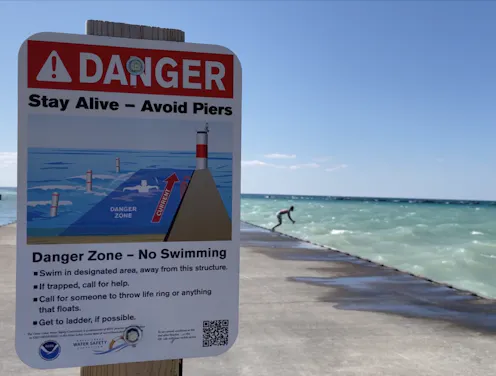
To ensure a safe trip to the beach, seek out information about rip currents and other surf hazards in the Great Lakes.

La navigation de plaisance représente une industrie de plusieurs milliards de dollars au Canada, mais le sillage des bateaux entraîne des dommages au littoral et à l’environnement.

Recreational boating is a multi-billion-dollar industry in Canada, but there’s increasing evidence that boat wakes cause shoreline and environmental damage.
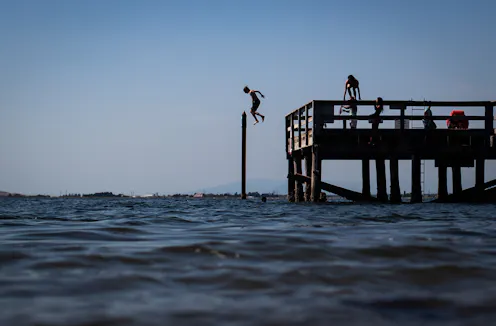
Rough surf and nearshore currents lead to about 50 drowning fatalities annually in the Great Lakes.
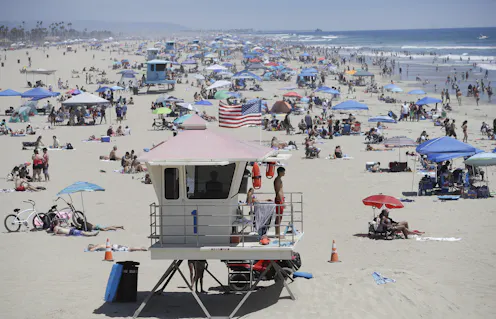
After months of isolation, beaches could see a rising number of rescues and drownings.
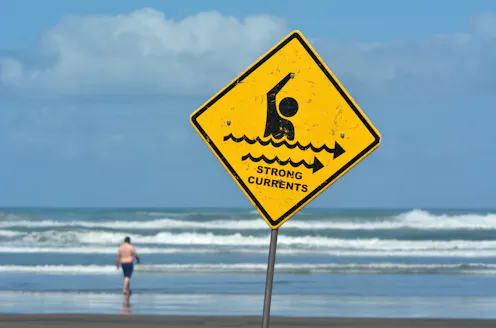
Les touristes constituent un groupe à haut risque de noyade. Ils connaissent peu les plages où ils s'aventurent et en sous-estiment les dangers. Leur « cerveau touristique » prend le dessus.
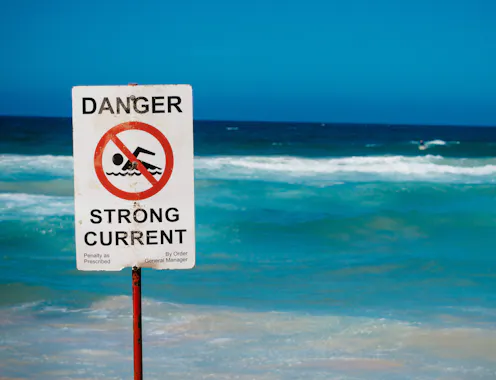
Just because a beach is accessible, has restaurants, lounge chairs and vendors, and is near a resort, does not mean it’s safe.
Contact Chris for
- General
- Media request
- Speaking request
- Consulting / Advising
- Research collaboration
- Research supervision
- Location: Waterloo
- Website
- X (formerly Twitter): @houserchrisa1
- Article Feed
- Joined
